



News:
Brokerage
Posted: March 22, 2022
WS Development and Stuyvesant Plaza, Inc. complete partnership on 240,000 s/f Stuyvesant Plaza
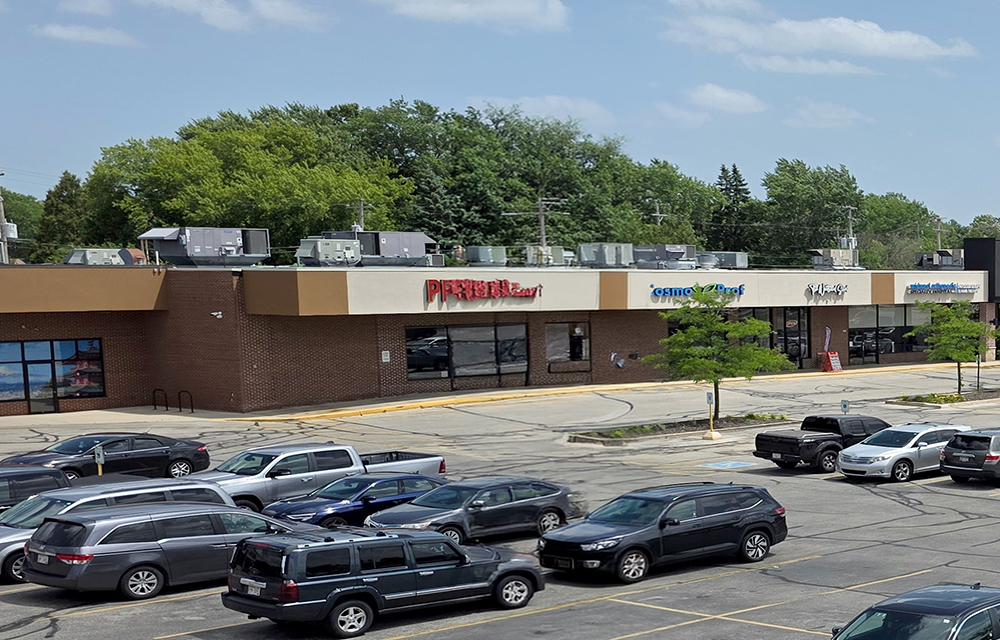
Albany, NY WS Development, aMassachusetts-based, mixed-use developer, alongside legacy owner, Stuyvesant Plaza, Inc., completed a partnership on the future of Stuyvesant Plaza in Albany, New York. The 240,000 s/f shopping plaza at the base of the Adirondack Northway currently hosts more than 60 locally-owned shops and national brands alike, providing the community with a variety of compelling retail, service and dining options.
Stuyvesant Plaza, Inc., has owned Stuyvesant Plaza since its opening in 1959. WS Development will look to create new and unique opportunities for customers to engage with Stuyvesant Plaza.
“We’re excited to be expanding our footprint to the Capital Region of New York State and, even more so, to be partnering with Ed Swyer and his team on this beloved property,” said Jeremy Sclar, founder and CEO at WS Development. “We look forward to working closely with them, drawing on their deep, historical ties to Stuyvesant Plaza, as we build upon its current success to help shape its next chapter.”
“We are greatly looking forward to this joint venture with WS Development which will assume management, operation and majority ownership of Stuyvesant Plaza. WS Development will elevate Stuyvesant Plaza to the next level with an array of first-class retailers, marketing and customer services while continuing to feature a mix of local, independent and national brands,” said Ed Swyer, president of Stuyvesant Plaza, Inc. “We have visited their impressive developments and engaged in discussions over a span of seven years. I could not imagine a better organization to lead us into the future.”
Stuyvesant Plaza, Inc., will retain ownership and management of Executive Park, the office park adjacent to Stuyvesant Plaza.
Tags:
Brokerage
MORE FROM Brokerage

Law Firm Nutter expands space to 11,438 s/f at 5 Grand Central East
Manhattan, NY According to the Durst Organization, full-service law firm Nutter is expanding their office at 5 Grand Central East to 11,438 s/f. Nutter will take the entire 25th floor, in addition to renewing the firm’s existing office space on the 27th floor of the building.




Quick Hits

Columns and Thought Leadership

Positive forecast for New York’s pro-housing push? - by Philip Butler
New York’s housing crisis remains a hot button topic despite growing consensus that varied and affordable housing is desperately needed statewide. Governor Hochul has recently introduced several initiatives to overcome N.Y.’s anti-housing

Hunt commercial real estate question and answer: Fortune 500 wisdom - by David Hunt
Yes, there are lessons to be learned from the largest companies in America when comes to managing your real estate. But the decision to buy or lease real estate may not be one of

A guide to finding the right NYC property management company - by Sanjay Gandhi
Being a small to midsize landlord in NYC is an increasingly demanding endeavor. From navigating complex regulations, increased compliance demands to dealing with tenant issues and remediating violations. It is wise to enlist the assistance of a partner, a professional

New York’s streets are full again, and the retail numbers prove it - by Noam Aziz
Walk down any New York block this year and you can feel it. The sidewalks are crowded, the storefronts are lit, and the energy that defines this city is back at full volume.
.gif)