



News:
Brokerage
Posted: December 27, 2012
Winter & Co. closes $24.446m debt and equity financing for TriBeCa condo development project
Winter & Co. has closed $24.446 million in debt and equity financing in connection with a multi-phase transaction to acquire, design and build a six-unit condominium development between West Broadway and Hudson St. in TriBeCa.
Initially Winter arranged a $6 million bridge loan to facilitate the $10 million site acquisition. The acquisition/bridge loan carried a rate of 4.5% and a term of 24 months, interest-only. Then, during the time that the project was being designed and presented for approvals to the Dept. of Buildings and the Landmarks Preservation Commission, Winter, sourced a joint venture equity partner, adequately capitalizing the project and allowing the developer to recover the majority of his original equity contribution.
The $16.16 million construction loan carries a rate of 4.5% and a term of 24 months. As is typical in today's development deals, the construction loan equates to a loan-to-cost of 63% and is personally guaranteed by a developer with strong net worth, liquidity and a track record of relevant experience of building, and successfully selling property in TriBeCa, one of the city's priciest zip codes.
The joint venture equity partner sourced by Winter will make an initial equity contribution to the venture of $8.286 million and will add bandwidth to the project's sponsorship both in terms of financial strength and experience.
Winter & Co. is a locally-based, commercial mortgage advisory firm that specializes in arranging development and construction financing, financing for multifamily and mixed-use properties, and arranging cooperative underlying mortgages. Its affiliate, W Financial Fund, LP is a direct private bridge lender providing short-term, special situation financing primarily for NYC multifamily and mixed-use properties.
Tags:
Brokerage
MORE FROM Brokerage
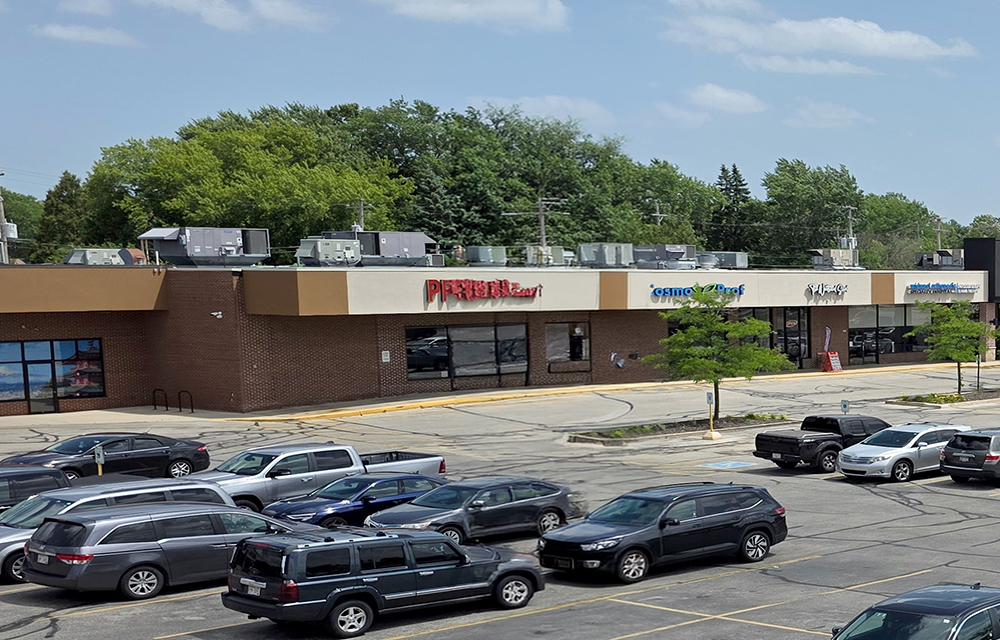
United Properties Corp. expands Wisconsin and Illinois retail presence adding 200,000 s/f
West Allis, WI United Properties Corp. completed two retail acquisitions totaling $27.4 million across Illinois and Wisconsin, adding 205,000 s/f of shopping center space to its portfolio




Columns and Thought Leadership

New York’s streets are full again, and the retail numbers prove it - by Noam Aziz
Walk down any New York block this year and you can feel it. The sidewalks are crowded, the storefronts are lit, and the energy that defines this city is back at full volume.

A guide to finding the right NYC property management company - by Sanjay Gandhi
Being a small to midsize landlord in NYC is an increasingly demanding endeavor. From navigating complex regulations, increased compliance demands to dealing with tenant issues and remediating violations. It is wise to enlist the assistance of a partner, a professional

Positive forecast for New York’s pro-housing push? - by Philip Butler
New York’s housing crisis remains a hot button topic despite growing consensus that varied and affordable housing is desperately needed statewide. Governor Hochul has recently introduced several initiatives to overcome N.Y.’s anti-housing

Hunt commercial real estate question and answer: Fortune 500 wisdom - by David Hunt
Yes, there are lessons to be learned from the largest companies in America when comes to managing your real estate. But the decision to buy or lease real estate may not be one of
.gif)