

 (2).gif)
News:
Finance
Posted: October 23, 2026
Why would anyone hire a Delaware Statutory Trust broker? - by Carl Sera

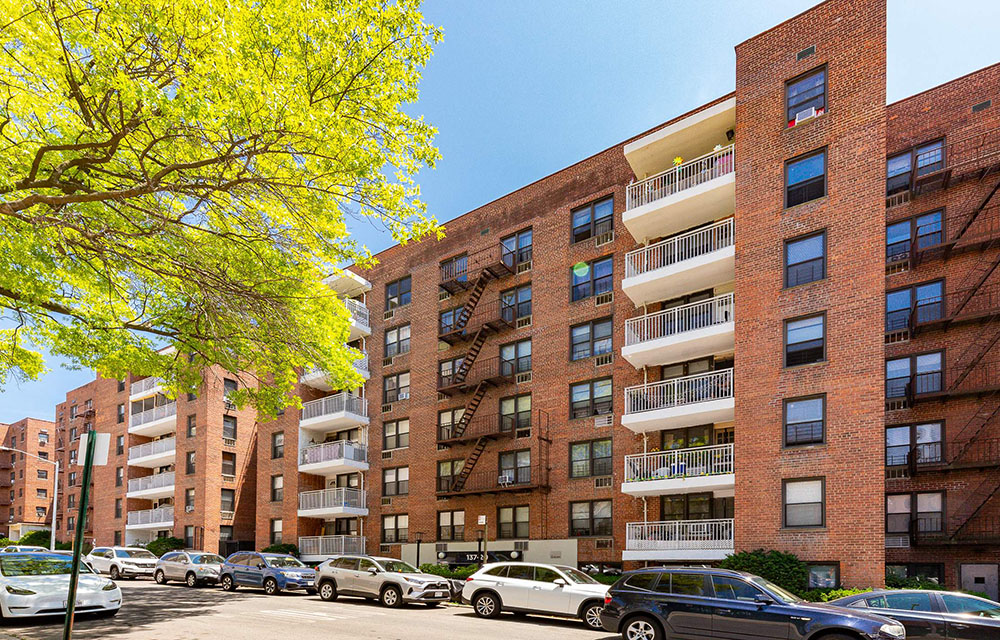
Three brothers own two walk-ups in Queens. Their father bought the first in 1978. Rent regulation changed the math in 2019, the youngest brother is 68, and none of their kids wants a building. They sell.
A DST broker arrives with a solution. Complete a 1031 exchange into a Delaware Statutory Trust. Defer the tax, keep the income, drop the tenants. Everyone at the table nods. The listing broker nods. The attorney nods. The CPA nods.
Six years later the DST sells. The brothers are 74, 76 and 79. They have 45 days to identify replacement property. The DST broker arrives with another solution. He is paid again.
He will arrive again at 80. And at 86.
Why the broker keeps coming back
DSTs became 1031 eligible in 2004 and a sales model grew up around them. Sell the DST, earn a commission, wait five to seven years, sell another. The commission and fees on a traditional DST run several percentage points of the equity. On $1 million, that is tens of thousands of dollars every cycle. Over a retirement, the same dollars get sold three or four times.
That is why every DST article in this paper ends at the closing. The writer is paid at the closing. The investor’s life continues.
The exchange that ends the exchanges
A 721 DST starts the same way. The seller completes a 1031 exchange into a DST that owns real property. After a holding period, the DST contributes that property to the operating partnership of an established REIT and the investor receives operating partnership units. Section 721 keeps the tax deferred.
Then the cycle stops. The investor owns a slice of hundreds of properties instead of one building in one submarket. The REIT buys and sells inside the portfolio. There is no identification deadline, ever again. Most programs offer a redemption window, so the investor can sell a piece when cash is needed instead of waiting for a building to trade. When the investor dies, the heirs receive a stepped-up basis and can redeem units for cash. They get the value without the building. In our practice that is what the kids want every time.
So why would anyone not do a 721? There is one reason. Operating partnership units cannot be exchanged again under Section 1031. The 721 is the last exchange. An owner who still wants to buy buildings should stay with a traditional DST. An owner who is done should not be sold another one.
Why we can say this
Our practice began with traditional DSTs, and we still sell them when they fit. We stopped recommending them to investors who told us they were done. This is not a competitor attacking a product it cannot offer. It is a firm that offers both telling you which one it recommends, and why.
The other difference is how we are paid. We are a fee-only fiduciary. We credit 100% of the DST commission and broker-dealer fees back to the client as additional investment equity. On that $1 million exchange, the tens of thousands of dollars go into the investment instead of to a salesman. Beyond that, clients can keep their own advisor, work with us directly, or hire us. That decision belongs to our clients.
That structure is why other advisors, including some of the largest firms in the country, send their clients to us to execute the exchange. A commission model cannot do it.
For the professionals at the table
If you are the listing broker, the attorney or the CPA, your seller will ask you about DSTs. Give them two questions for whoever is selling one.
What happens when this property sells?
How are you paid when it does?
If the answer to the second is another commission, they have their answer to the first. The DST broker will be back in six years. So will the deadline.
Your seller spent a lifetime building a portfolio in the hardest real estate market in the country. The exit should take one transaction, not four.
Carl Sera, CMT, is president and managing principal of Sera Capital Management, LLC, Annapolis, MD.
Tags:
Finance
1031 tax exchange
MORE FROM Finance
Why would anyone hire a Delaware Statutory Trust broker? - by Carl Sera
Three brothers own two walk-ups in Queens. Their father bought the first in 1978. Rent regulation changed the math in 2019, the youngest brother is 68, and none of their kids wants a building. They sell.


 (2).gif)
Quick Hits
.jpg)