



News:
Brokerage
Posted: September 21, 2021
Westchester LDC amends preliminary approval of tax-exempt bond financing for phase 1 of senior learning community on SUNY Campus
Purchase, NY The Board of Directors of Westchester County’s Local Development Corp. (LDC) voted to amend its preliminary approval of tax-exempt bond financing for the development of a senior learning community on the SUNY Purchase campus, increasing the bond financing to $385 million but not to exceed $400 million.
In May, the LDC voted preliminary approval of the issuance of tax-exempt bonds of $300 million not to exceed $350 million. Project developer Purchase Senior Learning Community LLC sought the increase due to higher construction costs resulting from the COVID-19 pandemic.
Phase 1 of the project is comprised of 220 independent living units, 18 assisted-living beds, 16 memory care beds, underground parking, a separate assisted living and memory care building and up to 46 single-family and duplex homes, all totaling 552,000 s/f, together with supporting infrastructure and property site improvements. The project, which will be built in two phases, is located on a 40-acre parcel of land located on the campus of Purchase College at 735 Anderson Hill Rd.
Project manager Wayne Rush said the project has been “very well received” noting that over 75% of the 220 units in the first phase have been pre-sold and 33 of the 44 affordable unit are pre-sold. Rush said construction costs for the project have increased between 40 and 60%.
The LDC assists Westchester not-for-profit organizations in securing tax-exempt bond financing benefits. These benefits are provided at no cost or risk to the taxpayers of Westchester County. Since its inception in 2012, LDC has assisted not-for-profit organizations in securing tax-exempt bond financing totaling over $400 million.
Tags:
Brokerage
MORE FROM Brokerage

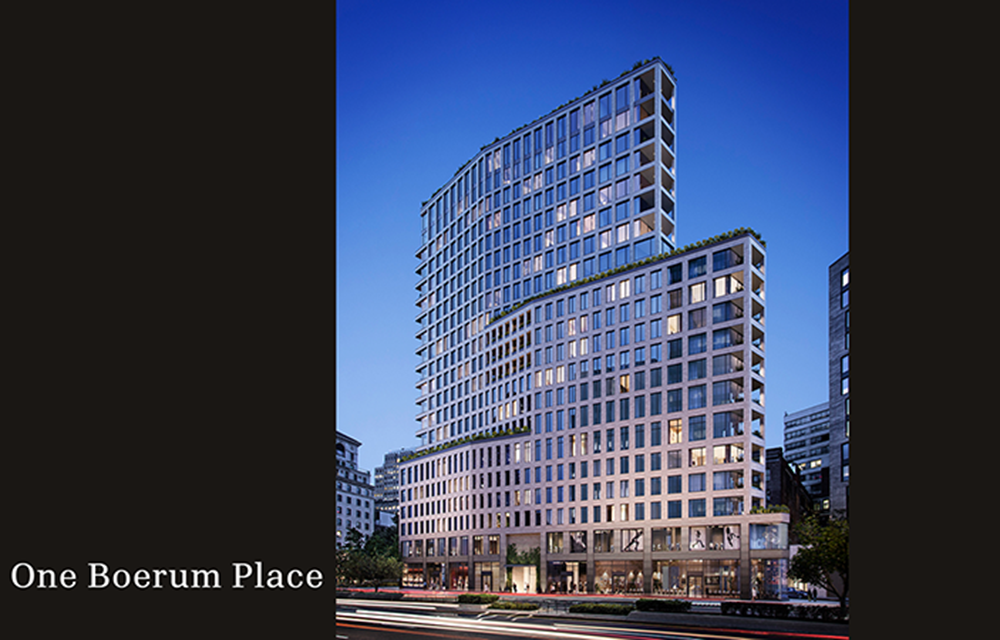
200E20TH sells out in Gramercy, penthouse A closes out sales at the CetraRuddy-designed condominium residences
Manhattan, NY 200E20TH, the CetraRuddy-designed architectural masterwork that brought a curved, contemporary sensibility to Gramercy’s Beaux-Arts streetscape, has




Columns and Thought Leadership

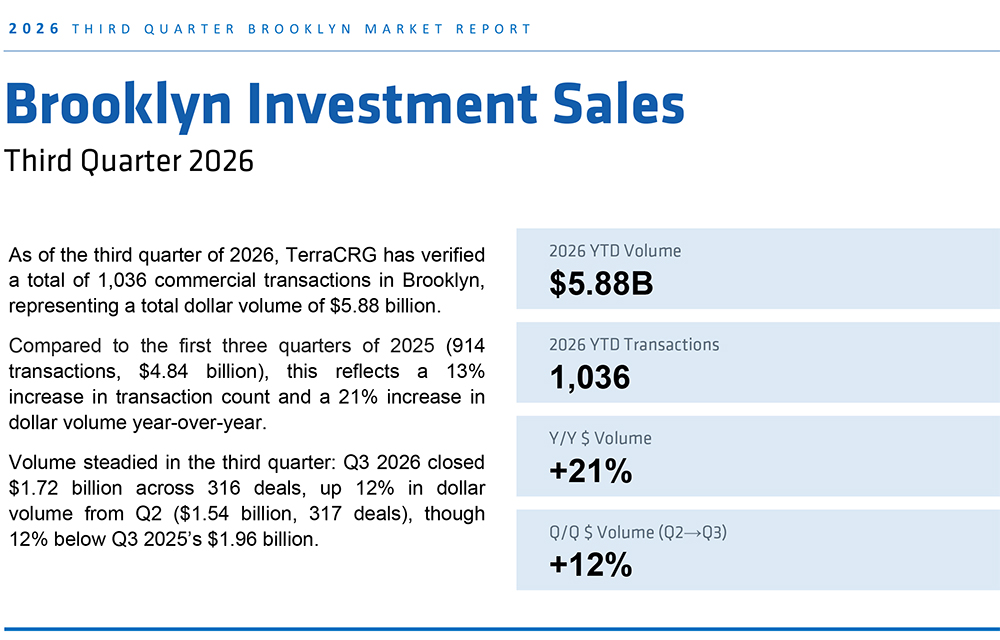
New York’s streets are full again, and the retail numbers prove it - by Noam Aziz
Walk down any New York block this year and you can feel it. The sidewalks are crowded, the storefronts are lit, and the energy that defines this city is back at full volume.

The art of investing in real estate - by Thomas Donovan
Real estate investing is as much an art as it is a skill. No one can time the market, or the factors that drive it, perfectly. Location, zoning, size, transportation, and neighborhood density give you a baseline for

Hunt CRE question and answer: Choosing a real estate agent - by David Hunt
First, we will only work with one agent exclusively. The primary reason is that we want that agent to legally represent our client’s interests. In New York State, a real estate agent has a fiduciary

Hunt commercial real estate question and answer: Fortune 500 wisdom - by David Hunt
Yes, there are lessons to be learned from the largest companies in America when comes to managing your real estate. But the decision to buy or lease real estate may not be one of
.gif)