



News:
Brokerage
Posted: July 2, 2014
ULI NY's Lieber to serve on MTA Reinvention Commission
According to the Urban Land Institute New York (ULI New York), its chairman, Robert Lieber, will serve on the Metropolitan Transportation Authority (MTA) Reinvention Commission, a 22-member expert advisory board tasked with modernizing and improving the New York metropolitan area’s transit system.
Governor Andrew Cuomo called for the creation of the MTA Reinvention Commission with the goal of transforming the MTA system to better handle devastating weather events and a growing ridership. The commission will host public sessions that will tackle the many challenges that come along with shifting economic, social and climate trends. In a letter dated May 7, 2014 to Thomas Prendergast, chairman and chief executive officer of the MTA, Governor Andrew Cuomo stated, “New York faces a pressing need to prepare the Metropolitan Transportation Authority (MTA) for tomorrow’s challenges.” Lieber was selected to serve on the commission for his renowned expertise and thought leadership in real estate and economic development, and will incorporate responsible and efficient land use strategies into the redesign of the MTA’s capital plan. Lieber said, “With an increasing population and rapidly expanding economic activity in the New York metropolitan area, a world class transportation network is critical to the resiliency and economic competitiveness of the region. We must take this opportunity to proactively adapt the MTA transit systems to a changing world and I am pleased that ULI can play a role in this process.”
This year, Lieber is leading ULI New York’s multi-month MTA roundtable initiative focused on the broad regional, economic, and social impacts of increased investment in the MTA system. In partnership with the Permanent Citizens Advisory Committee to the MTA (PCAC), the NYU Schack Institute of Real Estate, and the Regional Plan Association (RPA), ULI New York is hosting a series of private roundtable discussions with key thought leaders and policymakers as part of a study that will assess the economic and social value of the MTA system to the region. Robert Yaro, president of the RPA and critical participant in ULI New York’s MTA roundtable series, will join Lieber on the MTA Reinvention Commission.
Tags:
Brokerage
MORE FROM Brokerage

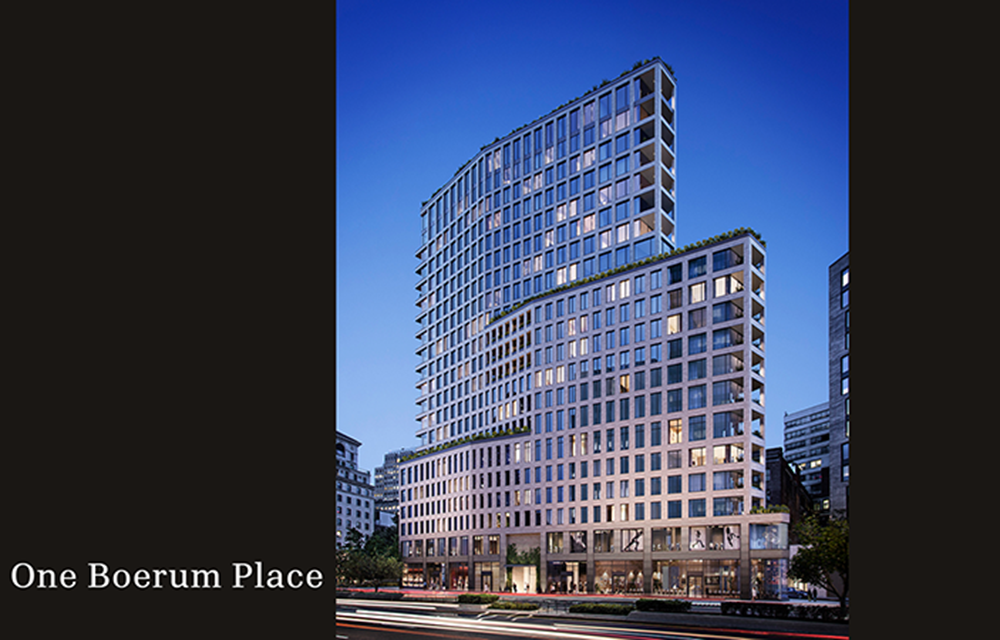
200E20TH sells out in Gramercy, penthouse A closes out sales at the CetraRuddy-designed condominium residences
Manhattan, NY 200E20TH, the CetraRuddy-designed architectural masterwork that brought a curved, contemporary sensibility to Gramercy’s Beaux-Arts streetscape, has



Quick Hits

Columns and Thought Leadership

New York’s streets are full again, and the retail numbers prove it - by Noam Aziz
Walk down any New York block this year and you can feel it. The sidewalks are crowded, the storefronts are lit, and the energy that defines this city is back at full volume.
The art of investing in real estate - by Thomas Donovan
Real estate investing is as much an art as it is a skill. No one can time the market, or the factors that drive it, perfectly. Location, zoning, size, transportation, and neighborhood density give you a baseline for

Hunt CRE question and answer: Choosing a real estate agent - by David Hunt
First, we will only work with one agent exclusively. The primary reason is that we want that agent to legally represent our client’s interests. In New York State, a real estate agent has a fiduciary

Hunt commercial real estate question and answer: Fortune 500 wisdom - by David Hunt
Yes, there are lessons to be learned from the largest companies in America when comes to managing your real estate. But the decision to buy or lease real estate may not be one of
.gif)