



News:
Brokerage
Posted: March 26, 2024
True Storage completes second New York conversion
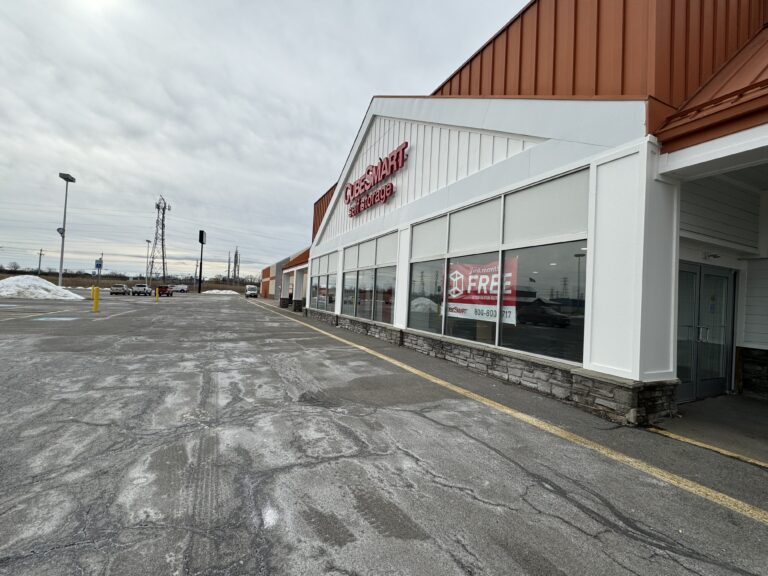
Tonawanda, NY True Storage completed its second self-storage development in New York this past week. This location marks the companies 27th completed self-storage development and is located at 880 Young St. True Storage now has two open facilities in New York and another three under construction in the state. This class A self-storage conversion features True Storage’s expertise in transforming underutilized properties into storage facilities that serve a public need. Day-to-day operations will be managed by CubeSmart, while True Storage retains ownership of the property.
Formerly a Gander Mountain Sports retail store, the property featured a location for the self-storage developer to repurpose the vacant space. “Every property we transform has its own unique features” said Chris Lewis, director of architecture & design for True Storage. “The site in Tonawanda is a perfect example of our dedication to transforming assets that are in distress that have usually been vacant for years, serving no public good. The town of Tonawanda and the local contractors we worked with on this project were all a pleasure to work with throughout the entire project.”
The property offers over 60,000 rentable s/f of storage space throughout nearly 700 units of varying sizes. Ben Kfoury, an investment analyst for True Storage said, “The Tonawanda market has an undersupply of modern-day self-storage solutions which allowed us to address a public need for local individuals and businesses.”
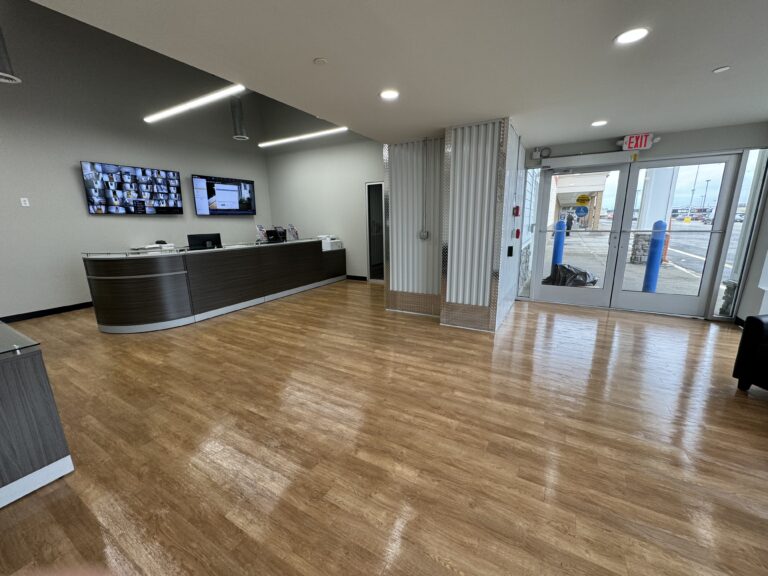
CubeSmart customers will find, that this location is directly off Rte. 290 and is surrounded by several national retailers and restaurants like Wendy’s, McDonalds, and Texas Roadhouse. The site is also anchored next to a Tops Supermarket. This site will feature flexible hours, 24-hour interior and exterior video surveillance, security access to the unit, an assortment of unit sizes, and high-end finishes throughout the facility.
True Storage, a self-storage developer that focuses on bringing value and lifestyle experiences to communities across the country, has proudly developed several other class A facilities in Massachusetts, New Hampshire, Maine, Georgia, Rhode Island, Florida, Indiana, Connecticut, Wisconsin, Illinois, New York, and Kentucky. In addition to breaking ground on facilities in Michigan, Ohio, New York, Florida, and throughout the New England area, with a dozen more in the pipeline.
Tags:
Brokerage
MORE FROM Brokerage
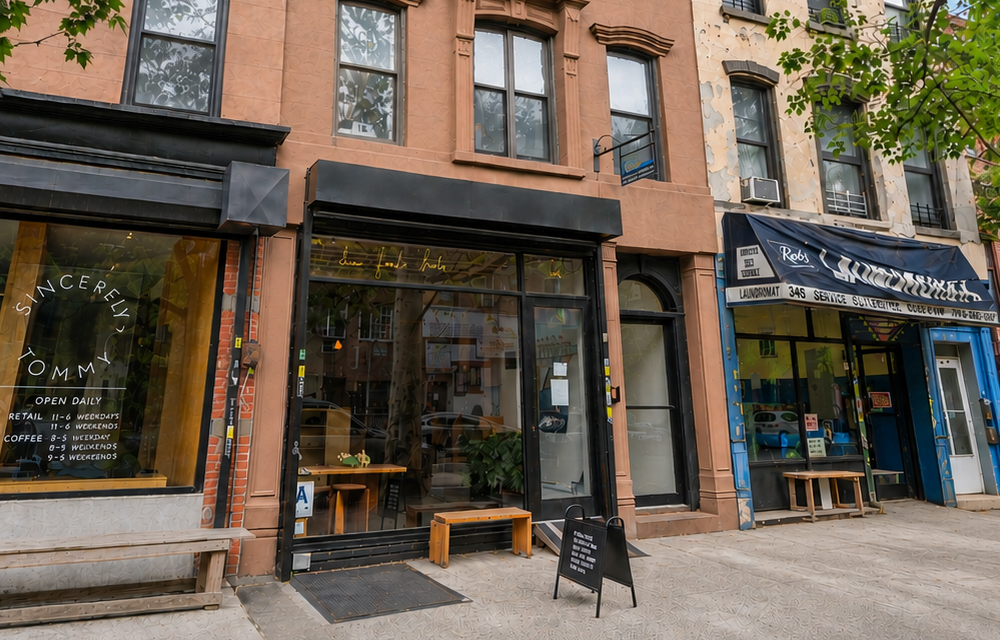
Bestreich, Reynolds, Davila, and Flaherty of Investment Property Realty Group close $1.97 million sale of 343A Tompkins Ave. in Bed-Stuy
Brooklyn, NY Investment Property Realty Group (IPRG) closed the sale of 343A Tompkins Ave., a mixed-use building located in the Bed-Stuy section of the borough, for $1.97 million.



Quick Hits
 (2).gif)

Columns and Thought Leadership

Hunt commercial real estate question and answer: Fortune 500 wisdom - by David Hunt
Yes, there are lessons to be learned from the largest companies in America when comes to managing your real estate. But the decision to buy or lease real estate may not be one of

A guide to finding the right NYC property management company - by Sanjay Gandhi
Being a small to midsize landlord in NYC is an increasingly demanding endeavor. From navigating complex regulations, increased compliance demands to dealing with tenant issues and remediating violations. It is wise to enlist the assistance of a partner, a professional

Hunt CRE question and answer: Choosing a real estate agent - by David Hunt
First, we will only work with one agent exclusively. The primary reason is that we want that agent to legally represent our client’s interests. In New York State, a real estate agent has a fiduciary

New York’s streets are full again, and the retail numbers prove it - by Noam Aziz
Walk down any New York block this year and you can feel it. The sidewalks are crowded, the storefronts are lit, and the energy that defines this city is back at full volume.
.gif)