



News:
Brokerage
Posted: September 15, 2008
Time Equities breaks ground on 65-story green condo/boutique hotel
Developer Time Equities, Inc. recently hosted a groundbreaking event to celebrate one of Lower Manhattan's newest green residence and boutique hotels: 50 West St.
Designed by architect Helmut Jahn, the $600 million, 580,000 s/f mixed-use skyscraper anticipates LEED-Gold certification upon its completion in 2011.
Technologies utilized by this eco-friendly building will include sustainable technologies, such as a green roof, water-efficient plumbing fixtures, automated blinds and energy control systems. Demolition waste will be recycled, and the new construction materials will be sustainable and rapidly renewable. The 65-story tower will feature an energy efficient glass facade to promote use of daylighting and filter UV rays.
Time Equities will donate $4.6 million to the Department of Housing Preservation and Development's affordable housing preservation fund, $350,000 to the NYC Board of Education for a Lower East Side Space Sciences Center and $430,000 to local P.S./I.S. 89 for a computer science program.
The development will contain 240 residential units and 150 hotel and retail units. The project is also expected to create 740 construction jobs and 175 permanent jobs.
The architect of record is New York city-based Gruzen Samton.
Privately-held Time Equities Inc. (TEI), founded in 1966, has been in the real estate investment, development and asset & property management business for more than 40 years. The TEI portfolio consists of approximately 20.4 million square feet of residential, industrial, office and retail property. TEI is implementing portfolio-wide sustainability initiatives aiming to reduce the carbon footprint associated with the operation of its buildings by 20 percent by 2010. TEI will be carbon neutral in its corporate operations by the end of 2009.
Tags:
Brokerage
MORE FROM Brokerage
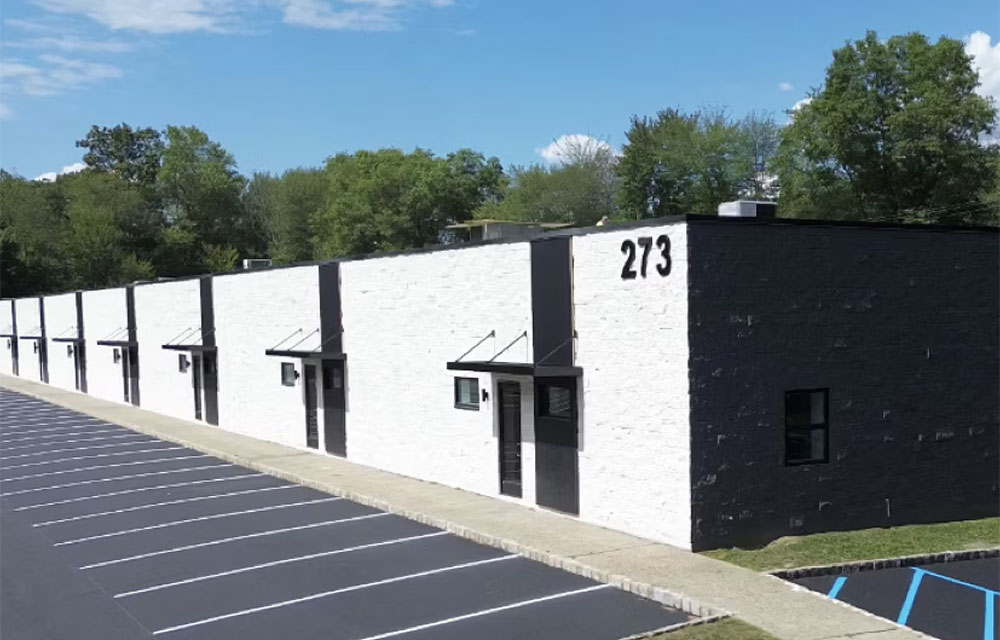
Resource Realty of Northern NJ delivers complete lease-up of 235 Franklin Rd. for Commerce Park Investors
Randolph, NJ Resource Realty of Northern New Jersey (RRNNJ) has completed the lease-up of a 10-unit small-bay industrial property at 273 Franklin Rd., marking the culmination of an investment strategy that began



Quick Hits

Columns and Thought Leadership

New York’s streets are full again, and the retail numbers prove it - by Noam Aziz
Walk down any New York block this year and you can feel it. The sidewalks are crowded, the storefronts are lit, and the energy that defines this city is back at full volume.

Hunt commercial real estate question and answer: Fortune 500 wisdom - by David Hunt
Yes, there are lessons to be learned from the largest companies in America when comes to managing your real estate. But the decision to buy or lease real estate may not be one of

Positive forecast for New York’s pro-housing push? - by Philip Butler
New York’s housing crisis remains a hot button topic despite growing consensus that varied and affordable housing is desperately needed statewide. Governor Hochul has recently introduced several initiatives to overcome N.Y.’s anti-housing

A guide to finding the right NYC property management company - by Sanjay Gandhi
Being a small to midsize landlord in NYC is an increasingly demanding endeavor. From navigating complex regulations, increased compliance demands to dealing with tenant issues and remediating violations. It is wise to enlist the assistance of a partner, a professional
.gif)