



News:
Brokerage
Posted: April 27, 2015
The retail industry's metamorphosis: The move towards mixed-use development
2015's biggest retail trend isn't new, but it is taking off like never before. Developers are eyeing new mixed-use developments in the core urban markets: N.Y., Boston, Washington, D.C, and other major cities. These developments blend retail and residential, retail and office, or a combination of all three.
This trend is beginning to spill over into the suburbs, albeit in a slightly different format. Some urban developers need to go vertical due to higher land costs, with retail on the bottom and residential extending to the sky. In the suburbs, mixed-use developments are typically more traditional retail shopping centers with an adjacent apartment or town home community, and the entire complex is spread over a larger land area.
So what's causing this influx of mixed-use development?
Higher land values. Since the recession, land values have been steadily rising, which is one of the reasons developers need to increase the density of their proposed development projects. By adding density to their plans, developers can increase their potential development yield/return, by generating significantly more NOI without a proportional increase in cost.
Demographic migration. Cities are popular again. Baby boomers entering retirement age want to downsize, and they're leaving the suburbs to enjoy walkable environments. Plus, many millennials and recent college grads are attracted to urban environments vs. the traditional suburbs. These two demographics are creating the bulk of the increased demand in urban cores. The same factors are at play in the suburbs. New walkable suburban communities are becoming a viable alternative for both the baby boom generation and millennials who want an alternative to re-locating to an urban core.
Lack of existing retail space. Today's top-tier core markets simply don't have enough desirable retail space. Retailers are in expansion mode again and with occupancy rates at historic highs in many markets, there's nowhere to go. Building these new types of mixed-use, ground-up projects was unthinkable during the Great Recession and in the few years following - until now. This new demand has pushed rents up, which helps make the economics of mixed-use development feasible.
So who are the new players anchoring these mixed-use developments? Grocers remain the cornerstone retailers in many mixed-use developments, but shifting tastes in some regions are causing changes in the types of markets that are a draw. Specialty grocers, including Trader Joe's, Fresh Market, Whole Foods, or Fairway, have seen their popularity grow leaps and bounds in recent years. In some locations, they've replaced legacy grocery stores because they cater to on-the-go families, baby boomers, empty nesters, and millennials that buy higher-quality prepared goods.
Healthcare and wellness tenants are essential to these new developments—optometrists, dentists, and physical therapy. Urgent care facilities are also becoming a staple in the traditional shopping center, as are gyms and other fitness studios, including LA Fitness, Soul Cycle, and Equinox. They all play into the growing trend of health and wellness. Historically fitness centers were opposed by other tenants due to a fear that gym members would monopolize premier parking spaces. Today, there's more acceptance of gyms and medical facilities as a co-tenants in a higher-density development because retailers are acknowledging the added benefits of being able to feed off all the traffic they generate.
People who are more fitness-oriented are consumers too, and studies show this demographic typically has a higher percentage of disposable income. Because gym goers usually visit multiple times each week, they generate repetitive traffic to shopping centers, which helps other retail located in the mixed-use center. And after leaving the gym, these are the same people that will cross shop at the dry cleaner, nail salon, grocery store, or any other convenient trips that are walkable within the center.
Finally, the hazy lines between outlet and discount retailers continue to blur. Stores like Nordstrom Rack, Saks OFF 5th, and Nike Outlet are moving away from traditional outlet centers as they look to grow their chains and are setting up shop in traditional shopping centers. Many of these retailers are reporting that when an outlet is located in proximity to its full-price store, the non-discount store sees increased foot traffic and sales.
Mixed-use development has opened up a new avenue for developers when they're considering repurposing a shopping center. Because there's increased demand for retail space, there is now a real opportunity to convert existing traditional retail into a high density mixed-use retail format. Developers are asking, "Can we add residential to this? Can we go vertical? If we have a one-level shopping center now, can we add four or five stories of residential on top or create multi-level retail?" In many markets, these ideas weren't conceivable a decade ago, but market pressure from consumers, landlords, and tenants have made these types of redevelopment scenarios more feasible for developers throughout the country.
Josh Weinkranz is president - Northeast Region of Kimco Realty Corp., New Hyde Park, N.Y.
Tags:
Brokerage
MORE FROM Brokerage
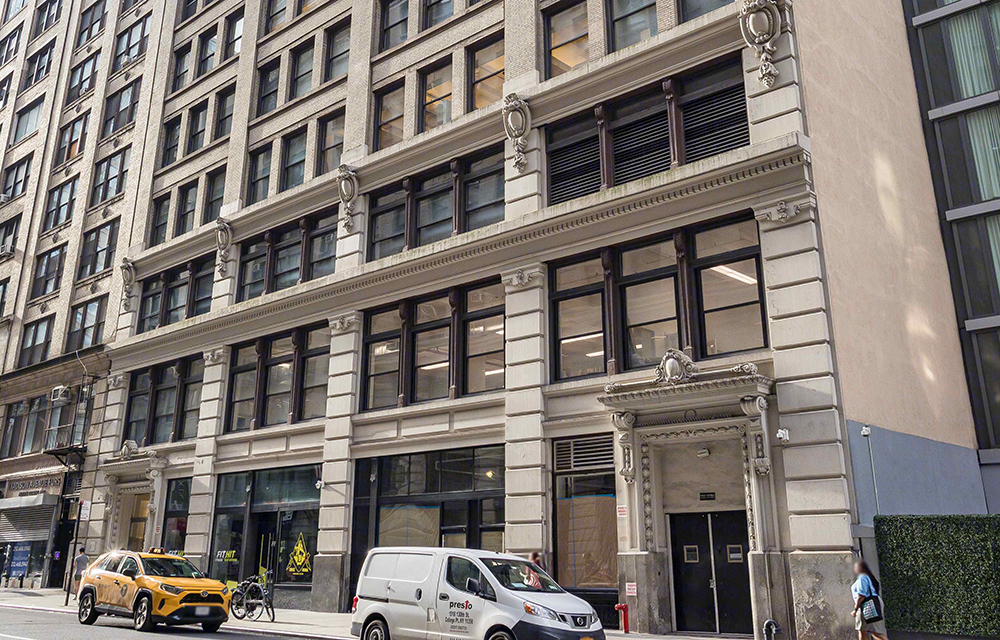
Koeppel Rosen inks 16-year 33,783 s/f lease for coworking firm Nomadworks at 122 West 27th St.
Manhattan, NY According to Koeppel Rosen LLC, leasing and management agent for the Rosen family portfolio, Nomadworks has signed a new 16-year, two-month lease totaling 33,783 s/f at 122 West



Quick Hits

Columns and Thought Leadership

Hunt CRE question and answer: Choosing a real estate agent - by David Hunt
First, we will only work with one agent exclusively. The primary reason is that we want that agent to legally represent our client’s interests. In New York State, a real estate agent has a fiduciary

Hunt commercial real estate question and answer: Fortune 500 wisdom - by David Hunt
Yes, there are lessons to be learned from the largest companies in America when comes to managing your real estate. But the decision to buy or lease real estate may not be one of

The art of investing in real estate - by Thomas Donovan
Real estate investing is as much an art as it is a skill. No one can time the market, or the factors that drive it, perfectly. Location, zoning, size, transportation, and neighborhood density give you a baseline for

New York’s streets are full again, and the retail numbers prove it - by Noam Aziz
Walk down any New York block this year and you can feel it. The sidewalks are crowded, the storefronts are lit, and the energy that defines this city is back at full volume.
.gif)