



News:
Construction Design & Engineering
Posted: November 8, 2010
Stop leaving money on the table! Key services help optimize real estate portfolios' ROI
It's probably been a while since property owners, investors and commercial real estate portfolio managers have felt optimistic about the profitability of their properties. Rents continue to drop. Vacancies have risen and so have expenses. Most property owners have trimmed all the fat they can and are still struggling to break even. This isn't news anymore; just a painful reality.
Yet, despite all these measures, many property owners are continuing to leave money on the table by not taking advantage of key financial services that can help improve their return on investment. Why? Because their CPAs, attorneys and advisors are not always the most knowledgeable about niche financial services that can help.
These days, it makes sense to turn to a trusted advisor with commercial real estate expertise for guidance. There are several strategies that can help maximize your cash flow, reduce your tax liability, and keep more money in your pocket. There are sources of revenue that are often overlooked by experienced real estate professionals. Depending on whether you are holding, selling or buying real estate, there are steps you can take to stop leaving money on the table.
Ask yourself these important questions:
Have I taken advantage of the latest tax regulations to lower my tax liability and improve my cash flow? You may be able to accelerate the tax deductions you claim for depreciation by reclassifying eligible assets to shorter recovery periods. A cost segregation study - conducted by a team of qualified accounting, engineering and tax experts - can help obtain the greatest tax benefits from any real estate holdings.
In fact, the Small Business Jobs Act of 2010 recently signed into law by President Obama, restored the bonus depreciation tax break which expired at the end of 2009.
That means that, through 2010, a business of any size may claim a deduction equal to 50 percent of the cost of qualified assets -- which includes vehicles, new equipment, qualified leasehold improvements, and other items -- in the first year. An additional year of bonus depreciation, through 2011, is allowed for property with a cost recovery period of ten years or longer and certain transportation property.
This applies to any property constructed or renovated, as well as equipment purchased through December 31, 2010. A Cost Segregation Study can assist in determining which assets are eligible for the bonus depreciation by allocating eligible assets into their proper categories.
Have I recently reviewed my leases? If not, you may be generating less income than you should. Missed option and notice dates, incorrect procedures, and overlooked springing options are just a few examples of seemingly small lease items that are routinely incorrect (or not properly tracked) with big consequences. Even items with explicit financial implications are often not tracked correctly. Common mistakes include incorrect rent charges and critical dates tracked to an original invalid date. Some leases have clauses relating to exclusive uses that are being violated or not sufficiently utilized. Meticulous and up-to-date lease abstracts can identify all critical lease dates, including lease expiration dates, rent step-up dates, as well as renewal and option dates to ensure you are receiving maximum rents.
Have I reviewed the Common Area Maintenance for my properties lately? You may have legitimate expenses that are not being passed-through. A portfolio management expert can help by performing a desktop audit and reviewing the operating expenses, CAM, taxes and insurance to ensure maximum pass-through of legitimate obligations to tenants.
Am I preserving my investment capital by deferring capital gains taxes? If you are selling a property, it might make more sense to exchange one property for another. The IRS allows you to defer capital gains taxes through a §1031 Exchange with a Qualified Intermediary. Since the rules governing this process can be complex, it is advisable to draw upon the expertise of a Certified Exchange Specialist to maximize the benefits of the exchange.
Is the distressed/foreclosed asset I'm buying accurately valued? Without a current, thorough and independent analysis of the property's value, you may not be getting the deal you think. A thorough financial audit of the real estate asset, analyzing and verifying historical financial statements, scrutinizing each income and expense item and providing a detailed cash flow analysis is key. In large or complex commercial acquisitions, it makes sense to have a financial due diligence specialist with expertise in commercial real estate conduct the audit.
The commercial real estate market faces big challenges. Only the most savvy investors and managers can navigate these turbulent waters without missing key opportunities. Real estate investors who surround themselves with expert advisors and take advantage of every niche service will help their bottom line and make sure they don't leave any money on the table.
Elliot Zaks is principal of Madison Commercial Real Estate Services, Lakewood, N.J.
MORE FROM Construction Design & Engineering
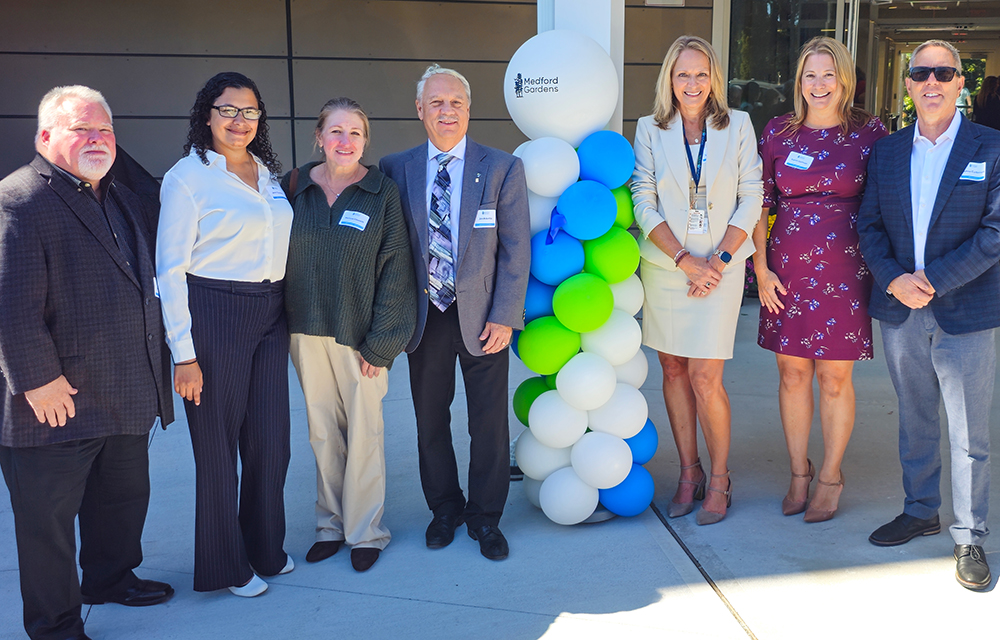
WellLife and H2M celebrate new senior housing Medford Gardens provides affordable housing for renters 55 and older
Medford, NY H2M architects + engineers (H2M) joined WellLife Network, along with state and local officials, housing advocates, and project partners, to celebrate the grand opening of Medford Gardens, a new affordable and supportive




Quick Hits


Columns and Thought Leadership

Premium experiences, proven returns: The New revenue playbook for sports venues - by Terry McIntyre
Investing in the Fan Experience as a Revenue Strategy The sports and entertainment venues that bet on premium experiences years ago are now seeing those investments pay off in packed seats, increased revenue, and industry recognition.

The Façade is no longer just a finish. It’s a risk strategy. - by Bentley Zhao
Twelve-billion-dollar weather disasters have already hit the U.S. through the first half of 2026, causing at least $31.9 billion in damage, according to Climate Central, the nonprofit that now maintains the disaster database NOAA discontinued.

We support green construction. Just not this kind - by Tammy Smith
Most people think of St. Patrick’s Day as a fun footnote on the calendar. In construction logistics, however, it’s a full-scale operational variable — especially if your work touches major metro areas with major parades and, let’s call it what it is, enthusiastic celebrants.
