



News:
Construction Design & Engineering
Posted: November 8, 2010
Engineering planning is the key to success of projects in today's complex world
In today's complex world of buildings, systems and technologies, there are many components of projects that require thorough investigation prior to proceeding with a project of any nature. From the standpoint of a mechanical and electrical engineer (MEP), at the current time, it is most imperative for a building owner to be presented with well-documented information, as early as possible, in order to make educated and intelligent decisions. The "Hurry up and Go" approach may deem to be beneficial early in projects but can turn detrimental if proper information and decisions have not been properly planned or scheduled.
Many projects these days are focused on retrofit conversions of existing older buildings to a modern day facility with the latest technology and architectural looks. Most focus within these projects is usually generated around the overall architecture, and the proposed use of what the facility is being planned for. The priorities that exist in the early stages of project development typically pertain to facility location, structure, and architecture. In today's technical environment, especially when considering LEED Certified or green projects, it is essential to have an engineer on board as early as possible to assist the owner and project team in making good, educated decisions. From the eyes of all the project professionals, the engineer will focus on the proper system selections which may be best suited for a specific site or building use and operation. With the wide variety of credits to be obtained for LEED Certification in regards to the HVAC and electrical systems, engineering skills can pave the way to an economically designed green project that is well planned and accepted by all parties of the project team.
The engineers' value, even at early lease review, is of great value to owners to ascertain if the proposed space or area will support their program requirements from a MEP standpoint. Too often, projects of all magnitudes are not properly planned early enough to recognize such major engineering issues such as, is there adequate power available for the programmed space and use of the facility or tenant space, will there be adequate air conditioning and if not how will additional systems be established, location of supplemental equipment, etc., especially in high-rise building applications. With building owners seeking low first costs and good energy savings, the eyes of the engineer are imperative to recognize aspects early in the project which may become liabilities to owners at a later date. And typically, the later an issue is recognized, the more costly it is to correct or change.
As of 2008, New York City has adopted the International Building Code for construction. This is another new element which is critical to be recognized. New buildings fall under new codes, but old facilities can be categorized from the old code standpoint, but the new work can be required to be installed per the new 2008 Codes. These are added complexities to lease and building due diligences. Interpretation and knowledge of both the "old" and "new" code are essential to proper planning. Proper review of the existing space and a clear understanding of the program requirements are essential to determine the exact course of action. The building department is in the territory of the learning curve associated with the code updates and this creates other barriers when filing and obtaining final permits. What seemed to be a fairly simple filing process previously, has now become a more complex beast which again is better addressed early in projects with good planning and proper engineering approach.
Engineering planning these days is the key to success of projects in order to maintain design concepts, budget costs and schedules. If proper, early, engineering planning is incorporated into projects, owners and project teams can reap the benefits of successful, well planned, and "on-budget" projects.
Joseph Lecce, P.E., P.C., is
president of Lecce Engineering, Mt. Kisco, N.Y.
MORE FROM Construction Design & Engineering
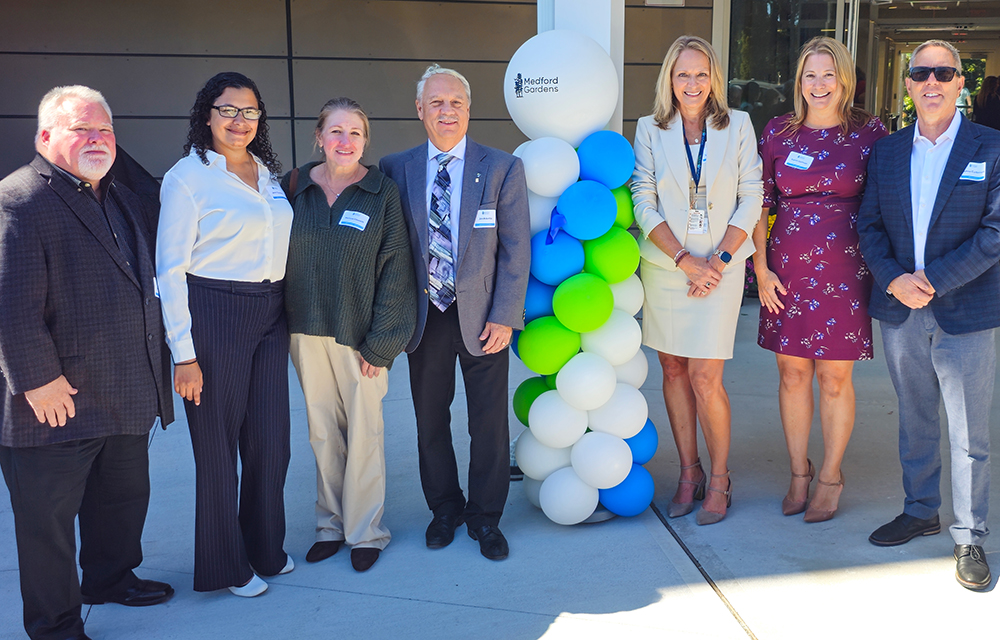
WellLife and H2M celebrate new senior housing Medford Gardens provides affordable housing for renters 55 and older
Medford, NY H2M architects + engineers (H2M) joined WellLife Network, along with state and local officials, housing advocates, and project partners, to celebrate the grand opening of Medford Gardens, a new affordable and supportive

Quick Hits


Columns and Thought Leadership

Premium experiences, proven returns: The New revenue playbook for sports venues - by Terry McIntyre
Investing in the Fan Experience as a Revenue Strategy The sports and entertainment venues that bet on premium experiences years ago are now seeing those investments pay off in packed seats, increased revenue, and industry recognition.

The Façade is no longer just a finish. It’s a risk strategy. - by Bentley Zhao
Twelve-billion-dollar weather disasters have already hit the U.S. through the first half of 2026, causing at least $31.9 billion in damage, according to Climate Central, the nonprofit that now maintains the disaster database NOAA discontinued.

We support green construction. Just not this kind - by Tammy Smith
Most people think of St. Patrick’s Day as a fun footnote on the calendar. In construction logistics, however, it’s a full-scale operational variable — especially if your work touches major metro areas with major parades and, let’s call it what it is, enthusiastic celebrants.
