



News:
Brokerage
Posted: September 26, 2023
Simone Development Companies and RIPCO lease 2,957 s/f to Chipotle at Hutchinson Metro Center Atrium
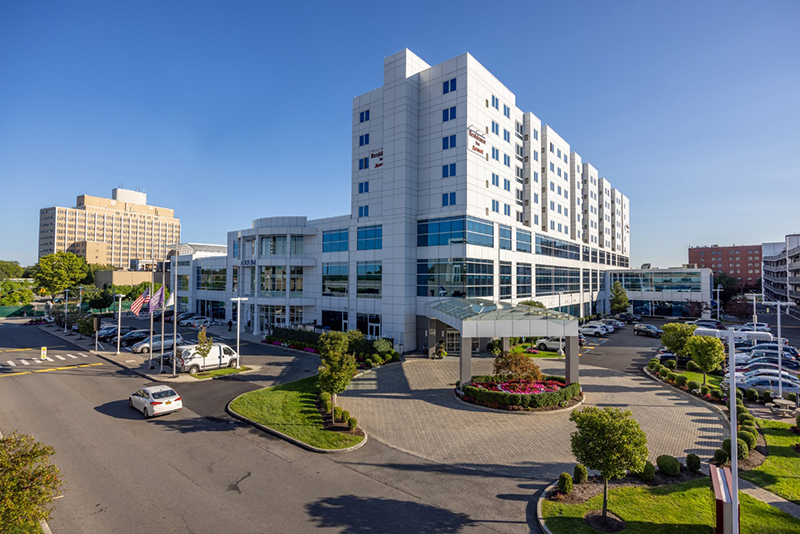 Bronx, NY According to Simone Development Companies, Chipotle Mexican Grill has signed a long-term, 2,957 s/f lease at the firm’s Metro Center Atrium, located at 1776 Eastchester Rd. within the Hutchinson Metro Center complex.
Josh Gopan, vice president of leasing at Simone Development, and in-house counsel Patrick Doyle represented ownership alongside Chris Walther and Miles Mahony of RIPCO Real Estate. Chipotle was represented by Ben Weiner and Joanne Argenti of RIPCO Real Estate.
Chipotle operates over 3,100 locations in the U.S, including over 55 in New York City alone. Their latest location at The Hutchinson Metro Center Atrium, serving the Pelham Bay and Morris Park neighborhoods, features an enhanced beverage menu offering margaritas and beer in addition to fountain and bottled refreshments.
“Chipotle is the perfect addition to an already robust offering at The Hutchinson Metro Center Atrium,” said Gopan. “The fast casual restaurant was attracted to our mixed-use complex due to its ideal location, generous onsite parking, 24/7 security, and outstanding tenant roster, including one of the borough’s only major flag hotels.”
Simone’s Hutchinson Metro Center Atrium is a 360,000 s/f mixed-use complex featuring three floors of class A office and medical space, as well as retail and a 125-room Residence Inn by Marriott. The property features a glass atrium and lobby, as well as 1,100 onsite parking spaces. The retail spaces at the Atrium are now fully leased.
Chipotle joins several well-known retail tenants at the Hutchinson Metro Center Atrium, including LA Fitness, Dunkin Donuts, A-Z Nutrition, and Residence Inn by Marriott.
The property is also home to several healthcare related tenants including Affinity Health Plan, Montefiore’s Division of Plastic Surgery and Department of Medicine, as well as Freedom Center Home Dialysis and Hanger Clinic Prosthetics and Orthotics.
Tags:
Brokerage
MORE FROM Brokerage
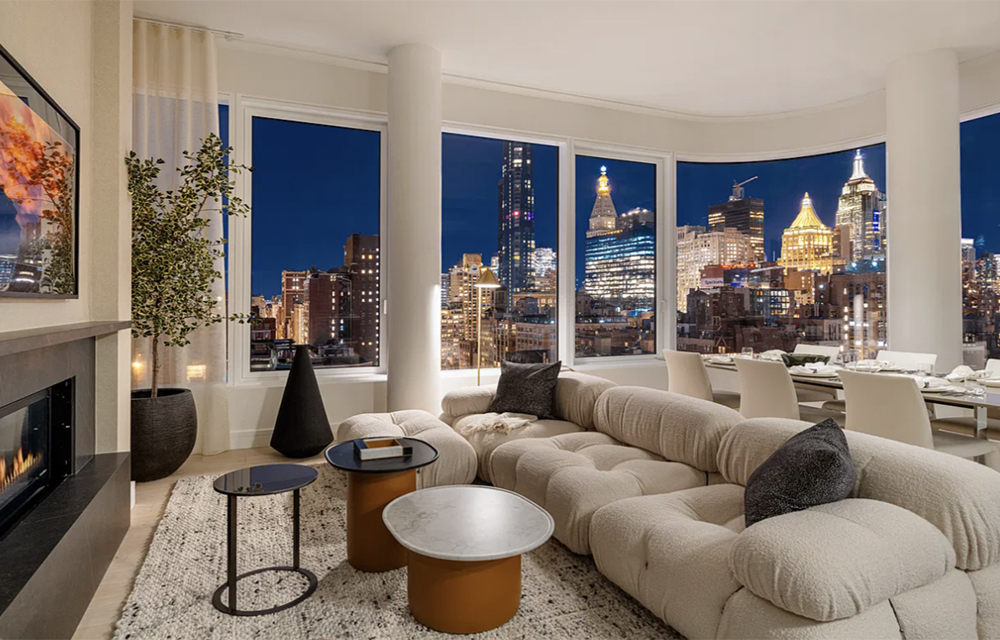
200E20TH sells out in Gramercy, penthouse A closes out sales at the CetraRuddy-designed condominium residences
Manhattan, NY 200E20TH, the CetraRuddy-designed architectural masterwork that brought a curved, contemporary sensibility to Gramercy’s Beaux-Arts streetscape, has



Quick Hits

Columns and Thought Leadership

Hunt CRE question and answer: Choosing a real estate agent - by David Hunt
First, we will only work with one agent exclusively. The primary reason is that we want that agent to legally represent our client’s interests. In New York State, a real estate agent has a fiduciary

Hunt commercial real estate question and answer: Fortune 500 wisdom - by David Hunt
Yes, there are lessons to be learned from the largest companies in America when comes to managing your real estate. But the decision to buy or lease real estate may not be one of

New York’s streets are full again, and the retail numbers prove it - by Noam Aziz
Walk down any New York block this year and you can feel it. The sidewalks are crowded, the storefronts are lit, and the energy that defines this city is back at full volume.

The art of investing in real estate - by Thomas Donovan
Real estate investing is as much an art as it is a skill. No one can time the market, or the factors that drive it, perfectly. Location, zoning, size, transportation, and neighborhood density give you a baseline for
.gif)