


 (2).gif)
News:
Spotlight Content
Posted: January 10, 2011
Sam Schwartz Engineering named a 2010 Best Place to Work by Crain's
According to president and CEO Sam Schwartz of Sam Schwartz Engineering (SSE), a transportation engineering and planning firm, it was named a "Best Place To Work For" by Crain's Magazine coming in at #16 in the Top 50. SSE was also one of the highest rated engineering companies on the list.
"Being a best company to work for is very important to me and I know the rest of the company," said Schwartz. You spend what could be the majority of your awake time (depending on how much you sleep) with us. We want it to be an extraordinary time mixed with great people, exciting work and personal growth."
"It is a great honor to be recognized by Crain's for all the hard work our employees do," said Rob Phillips, executive vice president and Chief Operating Officer for SSE. "It is exciting to be part of an organization that enjoys the work they perform as much as the company they work for."
Crain's partnered with an independent research firm to conduct a survey of over 13,000 employees throughout New York City. Employees and their employers both filled out confidential surveys on a variety of topics from the types of benefits provided to advancement opportunities and interoffice communication. The scores from those surveys were then combined with staff surveys making up 75 percent of the overall score. The remaining 25 percent came from employer surveys.
Among the over two dozen awards and distinctions SSE has received over the past few years include being named a "Best Place to Work in NYC" by CRAIN's in 2008 and a "Zweig White Best Firm" in 2009.
Since the birth of SSE in 1995, the company has grown from a staff of less than ten people in one office to a staff of over 100 people in offices throughout the United States including Tampa, Florida, Philadelphia, Pennsylvania, Washington D.C., Newark, New Jersey, Chicago, Illinois and most recently Los Angeles, California.
Tags:
Spotlight Content
MORE FROM Spotlight Content

NYREJ's 2026 Developing Long Island Spotlight is here!
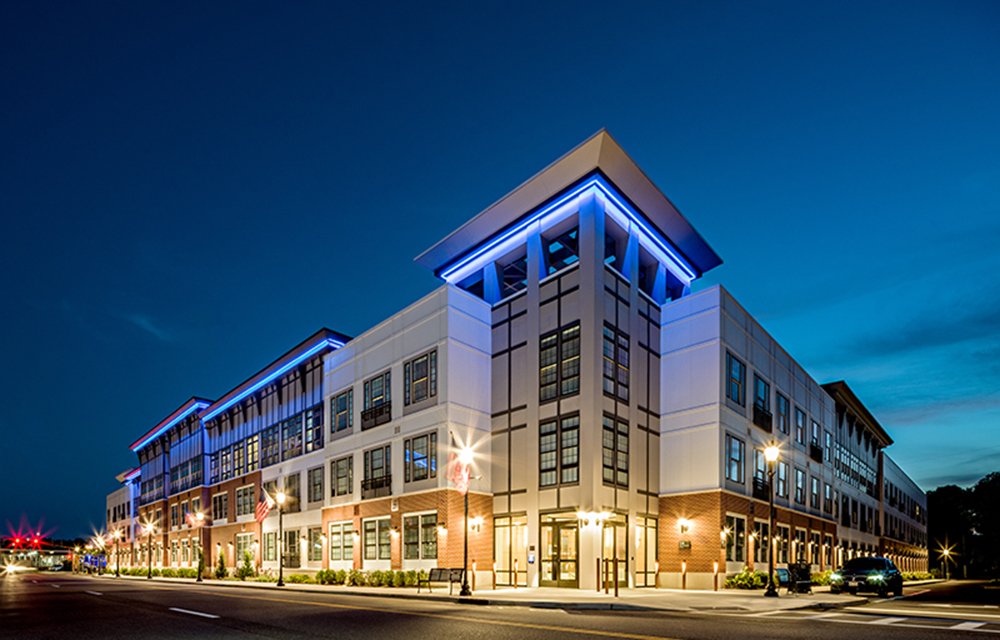
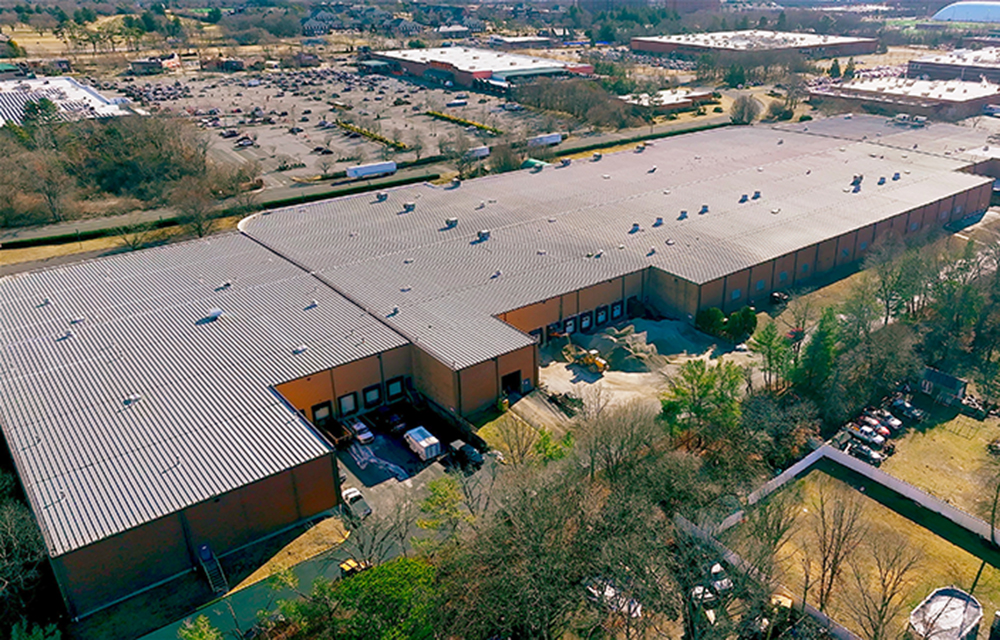
This spotlight showcases projects completed and currently under construction across Long Island as well as highlights improvements made to the region through Industrial and Economic Development Agencies and BIDs.


.png)

Quick Hits


Columns and Thought Leadership

CRE Guide Featured Company: Merritt Environmental Consulting Corp.
Merritt Environmental Consulting Corp. (MECC) was established in June of 2009 after being part of a larger engineering firm for almost 20 years. The focus of the company is to assist lending institutions, attorneys, real estate investors, and property owners with environmental concerns. Today, MECC has offices in New York, Florida, and Vermont and has grown into a regional consulting firm serving clients along the East Coast.

2026 Developing Queens: Long Island Board of Realtors advances commercial growth and advocacy in Queens
The Long Island Board of Realtors (LIBOR) Commercial Network continues to play a key role in advancing opportunities and strengthening the commercial real estate landscape across Queens. Through targeted programming and global outreach

From vacancy to vitality: How adaptive reuse is reshaping Long Island’s CRE landscape - by Andrea Tsoukalas Curto
Adaptive reuse has become one of the most important conversations in commercial real estate today. Long Island has a large inventory of aging retail, office and industrial

Properly serving a lien law Section 59 Demand - by Bret McCabe
Many attorneys operating within the construction space are familiar with the provisions of New York Lien Law, which allow for the discharge of a Mechanic’s Lien in the event the lienor does not commence an action to enforce following the service of a “Section 59 Demand”.