



News:
Brokerage
Posted: September 22, 2008
Real estate environmental risks: What level of due diligence is appropriate?
Environmental due diligence is an essential part of most real estate transactions. However, what level of due diligence is appropriate. Many banks and financial institutions have established criteria on the level of due diligence, which is often related to the size of the loan and the perceived risk the bank is willing to take. But is due diligence recommended if not required by the bank. In my opinion...yes.
The most frequently completed form of environmental due diligence is the Phase I Environmental Site Assessment (ESA). The standard for completing ESAs is outlined in ASTM E1527-05. The practice is "intended to permit a user to satisfy one of the requirements to qualify for the innocent landowner, contiguous property owner, or bona fide prospective purchaser limitations on CERCLA liability." Basically this provides some level of protection, should the property contain significant contamination, and be a federally identified CERCLA site. But what about state requirements?
In New York state, many environmental conditions present on properties are regulated by the Navigation Law. In its simplicity, this law indicates that the owner of a property is responsible for contamination, which may potentially impact the waterways of New York, and the groundwater that feeds those waterways. So, for example, contamination associated with an underground storage tank, could impact the groundwater, and may require remediation by the New York State Department of Environmental Conservation (NYSDEC). They will hold a property owner responsible for contamination; regardless, if it occurred while the current property owner had control of the property or not.
We are currently involved with a property in which the current owner bought the property on a "friendly handshake" in 2006, without completing any due diligence. In 2008, they attempted to sell the property. Under an attorney's advice, the prospective purchaser completed appropriate due diligence, and historic contamination was found, which likely dates to the 1980s. However, NYSDEC is looking at the current owner as the responsible party. The current owner has to deal with the contamination that was likely present prior to their purchase of the property.
In order to avoid a similar situation, GZA recommends, at a minimum, completion of a Phase I ESA prior to the purchase of any commercial or industrial property. The objective of the Phase I ESA is to render an opinion as to whether surficial or historical evidence indicates the presence of Recognized Environmental Conditions (RECs). The term REC is taken from ASTM E1527-05 and is defined as "the presence or likely presence of any hazardous substances or petroleum products on a property under conditions that indicate an existing release, a past release, or a material threat of a release of any hazardous substances or petroleum products into structures on the property or into the ground, groundwater, or surface water of the property. The term includes hazardous substances or petroleum products even under conditions in compliance with laws."
In general, ESAs include a review of historical data, a site visit, and review of federal, state and local municipal records. The information is compiled into a detailed report, which should identify RECs, if present, that may potentially impact the environment at the site, such as soil, groundwater, and includes soil vapor intrusion. Identified RECs should be further evaluated, which are typically done as part of a Phase II ESA. The scope of the phase II ESA will range, depending on the findings, identified RECs and other environmental business risks. This scope can consist of further research, soil and groundwater sampling, vapor intrusion analysis, asbestos, mold, or lead based paint samples, or other intrusive investigations.
Ultimately, the environmental protection offered by a phase I ESA is dependant on the quality of work completed. The level of effort in the historical review and the observations within the site reconnaissance may be the deciding factor in identifying an REC or not. Historic review should include a variety of sources, such as historic maps, aerial photographs, city directories, review of municipal records and interviews. One source is simply not enough, as a chain of use should be developed to 1940 or first developed use, whichever is first. Significant data gaps should also be considered. Additionally, the site visit portion should be completed by an experienced environmental consultant. If unaware, simple "missed" piping could have the implication of being an unknown underground storage tank, resulting in unknown environmental hazards.
Environmental due diligence is a necessity in any commercial or industrial real estate transaction. The level of due diligence is dependant upon the type of property and concerns identified. Initially the phase I ESA is a great place to start. But buyer be wary, the complexity of a phase I ESA can often be overlooked, resulting in a lesser report, and ultimately lesser protection for you, the prospective purchaser.
Michele Wittman, P.G., is a senior project manager of GZA GeoEnviromental of New York, Buffalo, N.Y.
Tags:
Brokerage
MORE FROM Brokerage
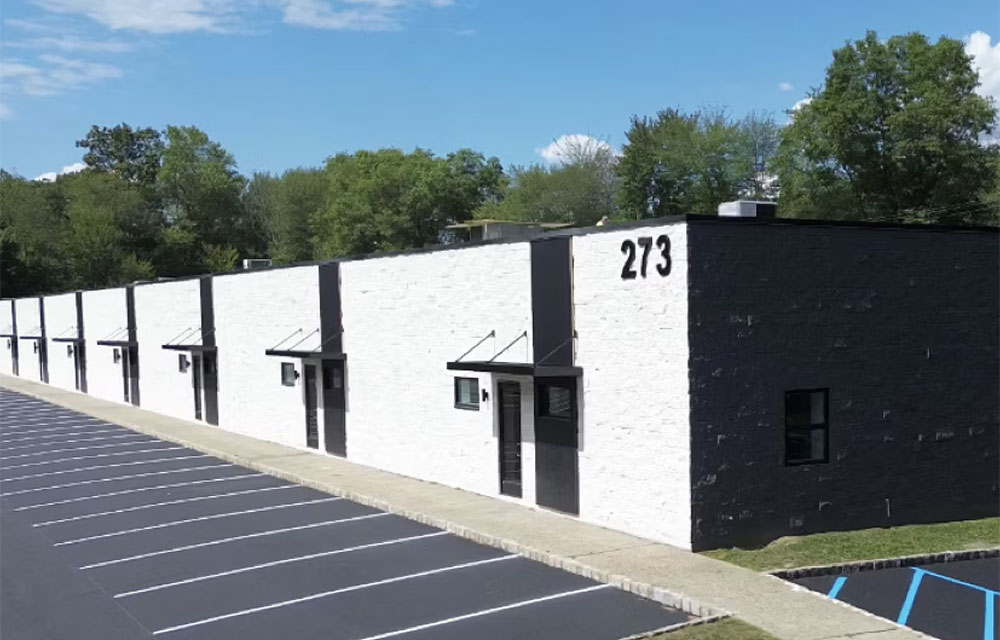
Resource Realty of Northern NJ delivers complete lease-up of 235 Franklin Rd. for Commerce Park Investors
Randolph, NJ Resource Realty of Northern New Jersey (RRNNJ) has completed the lease-up of a 10-unit small-bay industrial property at 273 Franklin Rd., marking the culmination of an investment strategy that began



Quick Hits
 (2).gif)

Columns and Thought Leadership

Hunt commercial real estate question and answer: Fortune 500 wisdom - by David Hunt
Yes, there are lessons to be learned from the largest companies in America when comes to managing your real estate. But the decision to buy or lease real estate may not be one of

Positive forecast for New York’s pro-housing push? - by Philip Butler
New York’s housing crisis remains a hot button topic despite growing consensus that varied and affordable housing is desperately needed statewide. Governor Hochul has recently introduced several initiatives to overcome N.Y.’s anti-housing

New York’s streets are full again, and the retail numbers prove it - by Noam Aziz
Walk down any New York block this year and you can feel it. The sidewalks are crowded, the storefronts are lit, and the energy that defines this city is back at full volume.

A guide to finding the right NYC property management company - by Sanjay Gandhi
Being a small to midsize landlord in NYC is an increasingly demanding endeavor. From navigating complex regulations, increased compliance demands to dealing with tenant issues and remediating violations. It is wise to enlist the assistance of a partner, a professional
.gif)