



News:
Brokerage
Posted: May 24, 2022
Question of the Month: Is office space in New York facing a reckoning? - by Spencer Compton

As many New Yorkers return to work – back to working in an office, that is – they’re often working in a hybrid environment that is very different than the office environment they were used to pre-pandemic. That’s no shock to anyone, but it could be an opportunity for office developers, as more and more people and their employers embrace the flexibility of hybrid work schedules.
Now, companies are looking for flexible solutions to address the demands of a hybrid workforce – they are signing shorter leases, seeking flexible office spaces, and exploring property outside of the central business districts, such as in downtown Brooklyn or Queens.
Helping Tenants Build Excitement as They Bring Employees Back to the Office
Employers are dealing with a workforce that is uneasy about returning to the office full-time. To mitigate the risk of losing current talent, office building landlords and developers are getting creative at making the return more exciting.
At one large Midtown West office building, a capital program has included a lobby renovation replete with striking artwork by prominent contemporary artists. Tenants also have exclusive access to the building’s design-forward private club and its large rooftop terrace and bar via new, more convenient and efficient destination dispatch elevators. The club offers its tenant members a differentiated space within the building to collaborate, relax and network with their colleagues and fellow corporate tenants. Staffed and open daily, the club provides on-demand meeting spaces for events and conferences. In the evening, tenants can host social events, yoga classes, guest speakers and wine tastings.
As companies encourage workers to return to their offices, a club like this can be an attractive incentive. Other landlords are offering such amenities as in-building parking spaces, exclusive gym memberships, roof-top beehives to attract nature-loving tenants, day-care centers (for pets, as well as toddlers) and a host of in-building dining options.
Addressing Environmental Sustainability in the Hybrid Working World
Another key consideration for landlords is energy efficiency, both as an environmental priority, and as a way to manage rising energy costs. Lower emissions equal greater energy efficiency and, accordingly, reduced costs for both landlords and tenants. In New York City, the deadline for owners of covered buildings with high emissions intensities to apply for an emissions limit adjustment from the Department of Buildings under the Climate Mobilization Act (also called Local Law 97) was July 1, 2021. Although Local Law 97 does not mandate annual emissions intensity reports until May 1, 2025, covered building owners, their counsel and consultants will need to prepare for it well in advance. The cost of reducing a building’s emissions to bring it into compliance is significant, but the penalties to be paid by landlords who fail to comply will increase each year after 2025.
With the upcoming deadlines, landlords are newly focused on conservation and environmental awareness. Some offer proactive energy management and real-time monitoring to reduce energy consumption during peak pricing periods and adjust building air conditioning to maximize savings while maintaining tenant comfort. Landlords who produce regular energy audits can drive efficiency, reduce greenhouse gas emissions and help tenants lower their utility bills. A few landlords are even offering to assist interested tenants in obtaining New York State Energy Research and Development Authority rebates for energy consumption mitigation efforts within their spaces.
The high cost of energy consumption has become a new currency and many landlords are finding ways to monetize it for themselves and their tenants.
Addressing Rent Prices in the New Era of the Flexible Office
What about rent reductions? Anecdotal evidence indicates that landlords are loathe to reduce their dollar per square foot (PSF) rental rates, especially where they are providing so many post-Covid space reconfigurations, amenities and services. However, assuming they are bringing to market more flexible space designs, it should be possible to accommodate more tenants in smaller spaces on each floor, as their employees rotate days in the same space. Smaller spaces equal reduced rent, but more tenants per floor equal the same or possibly higher aggregate rent for the landlord.
The Value of Working in New York City
Owning and maintaining office buildings in Manhattan has always been an expensive proposition. With today’s costs to comply with the emissions thresholds required under Local Law 97 and the costs to build-out and staff attractive and competitive amenities, landlords are more likely to increase PSF rental rates going forward than to decrease them. A number of the amenities described above will likely carry per-person or per-hour charges, which will provide another revenue stream for landlords.
Hopefully, Manhattan office tenants will find greater value PSF in these enhanced work environments to justify the higher rents (and perhaps other charges) they will be paying. New York City is the home of Wall Street, Broadway, world-class museums, dining, and sports teams. Living and working here will continue to be a professional pinnacle. It has never been cheap, and it is unlikely to ever become so.
Spencer Compton is vice president and special counsel at First American Title Insurance Company National Commercial Services Division, New York, N.Y.
Tags:
Brokerage
MORE FROM Brokerage
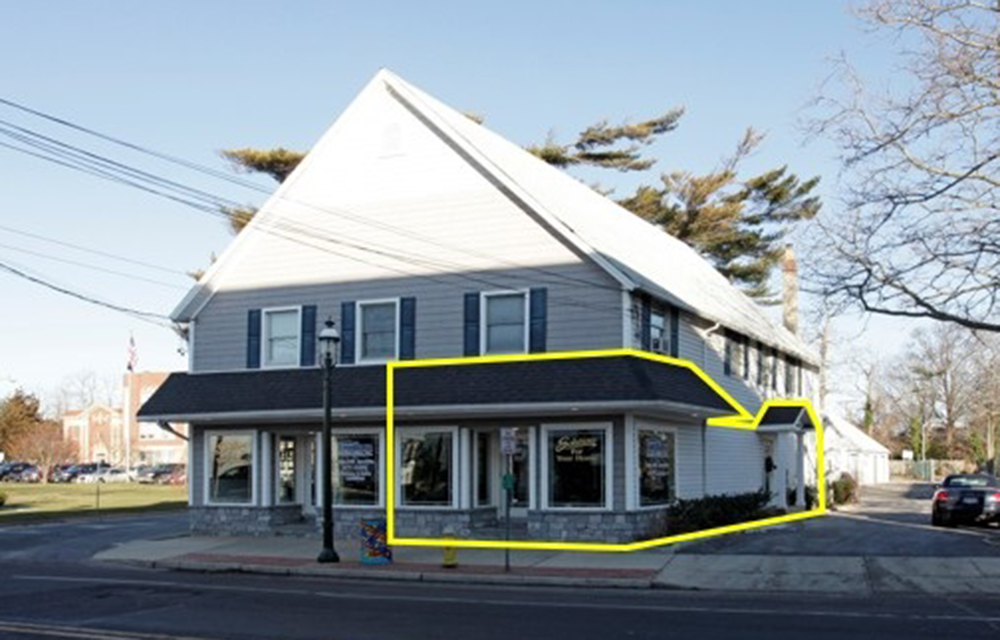
Raffa of Island Associates Real Estate leases 1,700 s/f to Tzanis Mental Health Group at 417 East Main St.
Islip, NY Robert Raffa from Island Associates Real Estate facilitated Tzanis Mental Health Group into 417 East Main St. – a 1,700 s/f office suite. The Tzanis Mental Health Group joins





Quick Hits
 (2).gif)

Columns and Thought Leadership

Positive forecast for New York’s pro-housing push? - by Philip Butler
New York’s housing crisis remains a hot button topic despite growing consensus that varied and affordable housing is desperately needed statewide. Governor Hochul has recently introduced several initiatives to overcome N.Y.’s anti-housing

A guide to finding the right NYC property management company - by Sanjay Gandhi
Being a small to midsize landlord in NYC is an increasingly demanding endeavor. From navigating complex regulations, increased compliance demands to dealing with tenant issues and remediating violations. It is wise to enlist the assistance of a partner, a professional

New York’s streets are full again, and the retail numbers prove it - by Noam Aziz
Walk down any New York block this year and you can feel it. The sidewalks are crowded, the storefronts are lit, and the energy that defines this city is back at full volume.

Hunt commercial real estate question and answer: Fortune 500 wisdom - by David Hunt
Yes, there are lessons to be learned from the largest companies in America when comes to managing your real estate. But the decision to buy or lease real estate may not be one of
.gif)
September Promotion
