



News:
Brokerage
Posted: August 7, 2018
Preuss of Cushman & Wakefield retained to sell three Queens properties
Queens, NY Cushman & Wakefield has been retained on an exclusive basis to arrange the sale of three properties.
A team led by senior managing director Stephen Preuss will represent the sellers in all marketing efforts.
“These listings offer an exceptional opportunity to invest in easily accessible Queens properties,” said Stephen R. Preuss of Cushman & Wakefield. “Each property benefits from exceptional visibility with significant frontage and is along highly trafficked corridors near public transportation options.”
The individual properties stretch across Queens’s top performing submarkets and a diverse range of asset classes.
89-26 162nd St. in Downtown Jamaica is a development site that has been subdivided from an original lot of approximately 44,683 s/f. The approximate lot square footage after the subdivision is 18,325 square feet. The property currently supports a 27,659 s/f building, including a two-family home, which will be delivered vacant. After the subdivision, the subject property has all remaining air rights transferred from the original lot which equates to approximately 167,020 buildable square feet, all as of right. The asking price is $22 million.
Additionally, the team is marketing 120-20 Merrick Blvd. in Jamaica. The property is a 5,400 s/f, fully-leased shopping center with a large parking lot in front of the building. The building is located at the busy traffic light intersection of Merrick & Baisley Boulevard with 280’ of linear footage. The property is anchored by a restaurant which has the largest space in the building. The tenants cover all their own utilities, as well as common area maintenance. The asking price is $4.2 million with a 5.22% cap rate.
14-35 Broadway in Astoria, an approximately 3,405 s/f vacant lot set for multifamly development, rounds out the Queens properties set to hit the market . The property has fully-approved plans in place for an eight-story elevator multifamily building of approximately 13,520 gross building square feet. The building will consist of 15 residential units, all one-bedroom/one-bath apartments. The building will feature several amenities including a terrace and balcony space, as well as outdoor recreational space. The asking price is $3.45 million.
Tags:
Brokerage
MORE FROM Brokerage
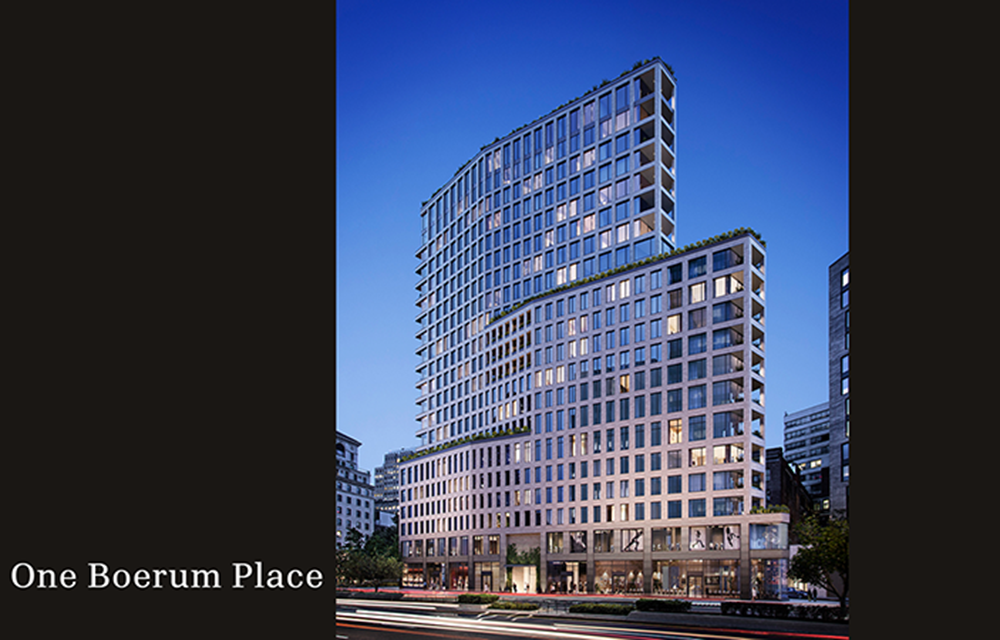
Residential real estate consultancy and brokerage firm Nancy Packes, Inc. rebrands as NPI
Manhattan, NY The NYC-based premier residential real estate consultancy and brokerage firm, Nancy Packes Inc., has rebranded as NPI. Helmed by Seth Rosner, most recently the firm’s managing partner and now president, the company has been intricately involved in hundreds of Tri-State new developments and conversions, spearheading the full project life cycle, from assessment/pre-dev.




Quick Hits
 (2).gif)

Columns and Thought Leadership

Hunt commercial real estate question and answer: Fortune 500 wisdom - by David Hunt
Yes, there are lessons to be learned from the largest companies in America when comes to managing your real estate. But the decision to buy or lease real estate may not be one of

Hunt CRE question and answer: Choosing a real estate agent - by David Hunt
First, we will only work with one agent exclusively. The primary reason is that we want that agent to legally represent our client’s interests. In New York State, a real estate agent has a fiduciary

New York’s streets are full again, and the retail numbers prove it - by Noam Aziz
Walk down any New York block this year and you can feel it. The sidewalks are crowded, the storefronts are lit, and the energy that defines this city is back at full volume.

A guide to finding the right NYC property management company - by Sanjay Gandhi
Being a small to midsize landlord in NYC is an increasingly demanding endeavor. From navigating complex regulations, increased compliance demands to dealing with tenant issues and remediating violations. It is wise to enlist the assistance of a partner, a professional
.gif)