



News:
Brokerage
Posted: March 25, 2008
OSHA signs safety and health partnership for employees renovating Kirner-Johnson Building
Enhanced safety and health protections for more than 500 employees constructing the Kirner-Johnson Addition and Renovation Project at Hamilton College in Clinton, is the goal of a newly signed partnership agreement among: the U.S. Dept. of Labor's Occupational Safety and Health Administration (OSHA); the project's general contractor, Barr & Barr Inc.; the college; numerous subcontractors and the NYS Dept. of Labor On-Site Consultation Program.
Other goals include eliminating incidents involving the four major causes of construction injuries - falls, electrical hazards, being struck by equipment and objects and being caught in or between materials.
"This partnership is the second for OSHA and Barr & Barr," said Christopher Adams, OSHA's area director. "Based on the success of the first, we are confident that a positive safety culture among employers and employees during the construction process will result in reduced costs, increased productivity and protection of employees from injuries and illnesses."
The new partnership was signed by OSHA's Louis Ricca, deputy regional director, and Adams for Barr & Barr Inc.: VPs Thomas Barr and Robert DiPaolo, project manager James Clavin, superintendent William Gibson and safety director James Manoli; associate director of Hamilton College Physical Plant William Huggins; Mark Sliker for the NYS Dept. of Labor's On-site Consultation Program and more than 15 subcontractors with employees on the site.
OSHA's Strategic Partnership Program is part of the U.S. Labor secretary Elaine Chao's ongoing efforts to improve the health and safety of employees through cooperative relationships with trade associations, labor organizations, employers and employees.
Tags:
Brokerage
MORE FROM Brokerage
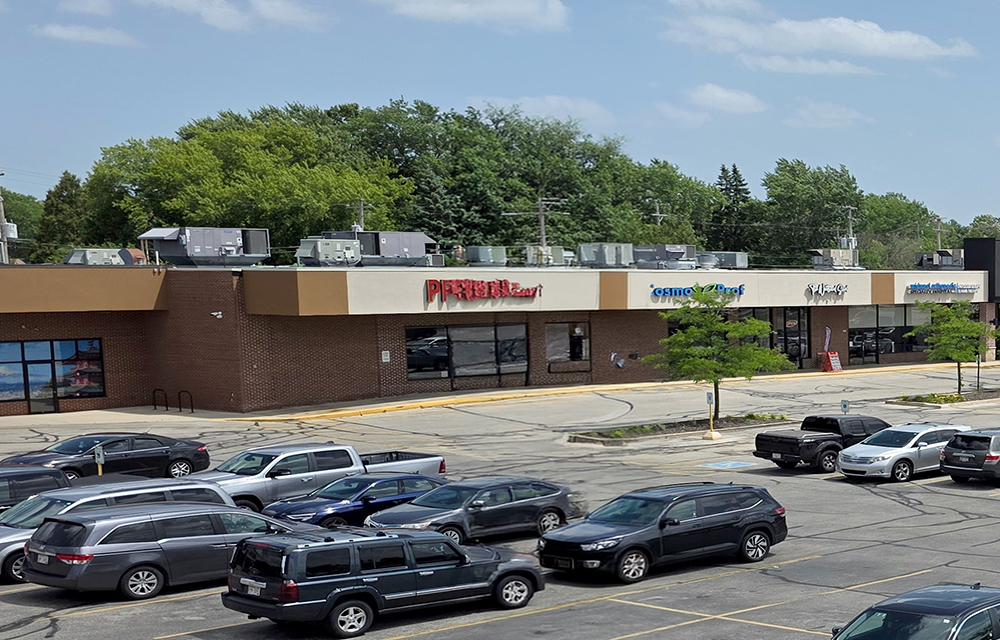
United Properties Corp. expands Wisconsin and Illinois retail presence adding 200,000 s/f
West Allis, WI United Properties Corp. completed two retail acquisitions totaling $27.4 million across Illinois and Wisconsin, adding 205,000 s/f of shopping center space to its portfolio






Quick Hits

Columns and Thought Leadership

Positive forecast for New York’s pro-housing push? - by Philip Butler
New York’s housing crisis remains a hot button topic despite growing consensus that varied and affordable housing is desperately needed statewide. Governor Hochul has recently introduced several initiatives to overcome N.Y.’s anti-housing

New York’s streets are full again, and the retail numbers prove it - by Noam Aziz
Walk down any New York block this year and you can feel it. The sidewalks are crowded, the storefronts are lit, and the energy that defines this city is back at full volume.

Hunt commercial real estate question and answer: Fortune 500 wisdom - by David Hunt
Yes, there are lessons to be learned from the largest companies in America when comes to managing your real estate. But the decision to buy or lease real estate may not be one of

A guide to finding the right NYC property management company - by Sanjay Gandhi
Being a small to midsize landlord in NYC is an increasingly demanding endeavor. From navigating complex regulations, increased compliance demands to dealing with tenant issues and remediating violations. It is wise to enlist the assistance of a partner, a professional
.gif)