



News:
Brokerage
Posted: July 16, 2024
OPEN Impact Real Estate and Pinnacle Realty lease 63,000 s/f to Imagine Me Leadership Charter School

Brooklyn, NY According to OPEN Impact Real Estate (OPEN), Imagine Me Leadership Charter School (IMLCS), a pre-K through eighth grade charter school, signed a 30-plus-year lease for 63,000 s/f building at 39 Truxton St. in Brownsville.
Stephen Powers, Lindsay Ornstein, and Jake Cinti of OPEN represented the tenant, IMLCS; Steve Nadel and Nechama Lebrow of Pinnacle Realty of New York represented the landlord, Fulton Gate Realty LLC.
“Securing a new, high-quality facility for our students has been a dream of ours for many years,” said LaShawn Robinson, chief executive officer of IMLCS. “The central presence and flexibility of this building will strengthen our students’ sense of community and allow us to double our enrollment in the coming years, supporting our transition to a co-ed model that aligns our mission and outstanding track record with our physical space.”
IMLCS, which first opened for instruction in 2011 and has been recognized as a New York State Rewards School four years in a row, will relocate from its current location at 818 Schenck Ave. in East New York, Brooklyn in the 2024/2025 school year. The school’s newly built four-story turnkey facility boasts a double-height gymnasium, multiple outdoor play spaces and a cafeteria and auditorium, offering a significantly elevated and dignified experience for the school’s young learners.
“As IMLCS looks towards the future, it needed a larger space that could accommodate the school’s strong demand as it begins to transition to a co-ed model,” said Cinti. “Because the transaction was structured as a long-term leasehold condominium, IMLCS will also realize significant cost savings that will allow the school to further its mission serving the community for many years to come.”
The new location, designed by IMC Architecture, can accommodate up to 650 students, and is being completed amid the city’s ambitious Brownsville Plan, which will result in the creation of over 2,500 new affordable homes, a new cultural center, a new center for innovation and entrepreneurship and new neighborhood retail and space for community organizations
Tags:
Brokerage
MORE FROM Brokerage
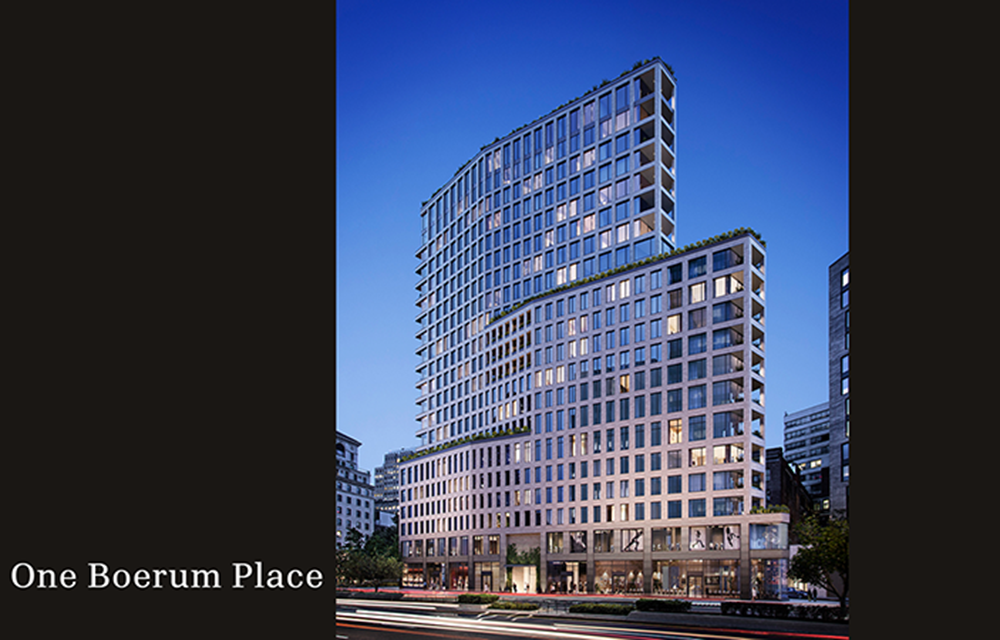
Residential real estate consultancy and brokerage firm Nancy Packes, Inc. rebrands as NPI
Manhattan, NY The NYC-based premier residential real estate consultancy and brokerage firm, Nancy Packes Inc., has rebranded as NPI. Helmed by Seth Rosner, most recently the firm’s managing partner and now president, the company has been intricately involved in hundreds of Tri-State new developments and conversions, spearheading the full project life cycle, from assessment/pre-dev.





 (2).gif)

Columns and Thought Leadership

New York’s streets are full again, and the retail numbers prove it - by Noam Aziz
Walk down any New York block this year and you can feel it. The sidewalks are crowded, the storefronts are lit, and the energy that defines this city is back at full volume.

A guide to finding the right NYC property management company - by Sanjay Gandhi
Being a small to midsize landlord in NYC is an increasingly demanding endeavor. From navigating complex regulations, increased compliance demands to dealing with tenant issues and remediating violations. It is wise to enlist the assistance of a partner, a professional

Hunt commercial real estate question and answer: Fortune 500 wisdom - by David Hunt
Yes, there are lessons to be learned from the largest companies in America when comes to managing your real estate. But the decision to buy or lease real estate may not be one of

Hunt CRE question and answer: Choosing a real estate agent - by David Hunt
First, we will only work with one agent exclusively. The primary reason is that we want that agent to legally represent our client’s interests. In New York State, a real estate agent has a fiduciary
.gif)