



News:
Brokerage
Posted: June 23, 2008
NYS CCIM is committed to enhancing educational offerings
The New York CCIM Chapter had a successful first half this year with its education offerings. The chapter sponsored a CI 102 course that was held in Amherst, N.Y; a CI 101 course in Northern New Jersey and most recently the chapter sponsored the Introduction to Commercial Real Estate course in Albany, N.Y. The chapter is in the process of scheduling CCIM Courses for the remaining part of this year and putting together a schedule for 2009. We would really like your input with the scheduling of future classes.
Geographically, New York State is very large; regionalization or establishing regions across NYS is under consideration within the chapter. The idea is to establish local CCIM groups (or regions) across New York State that will open up monthly networking opportunities on a local basis. The first group has been established in the Albany Region and will have monthly meetings.
On the national level, designees and candidates approach 19,000 members. This is exponential growth and represents the momentum of the designation. Last April in Newport Beach, Calif., there were 260+/- candidates that received their CCIM designation. Much of this growth is from the grassroots effort of the CCIM Chapters across the U.S. Typically, there are two comprehensive exams that are given each year. However, due to this increase in growth in candidate membership, the CCIM Institute has scheduled a third comprehensive exam this year that will be held this August in Chicago. The third comprehensive exam this year will be held this October in Chicago.
There are many initiatives at the national level to further empower the regions and the chapters, from technology, information access, and additional courses through the Ward Institute. The Advance Negotiating course that was rolled out at the end of last year has been a smashing success! There are several one and two-day courses that the Institute will roll out over the next two years.
The NYS CCIM Chapter is poised to continue with this great momentum as we continue to enhance our member benefits, create relevant educational events, and last but never least, afford excellent opportunities for networking through the regionalization of the chapter.
Joe Larkin, CCIM, CIPS, SIOR is the 2009 education presidential liaison for the CCIM Institute. He is also on the Board of Directors of the CCIM Institute and he also serves as 2008 vice president of the NYS CCIM Chapter.
Tags:
Brokerage
MORE FROM Brokerage
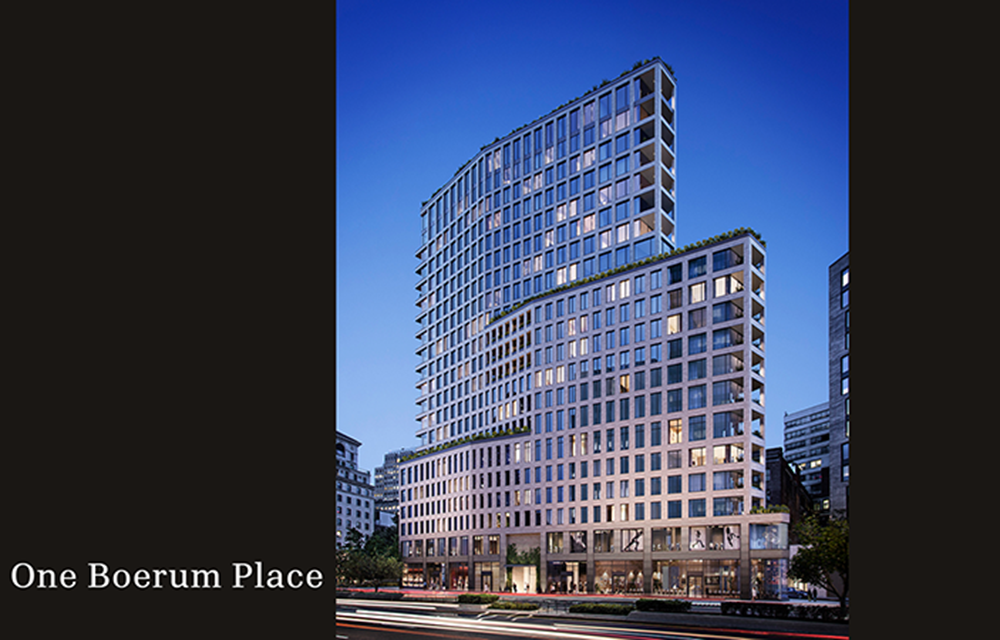
Residential real estate consultancy and brokerage firm Nancy Packes, Inc. rebrands as NPI
Manhattan, NY The NYC-based premier residential real estate consultancy and brokerage firm, Nancy Packes Inc., has rebranded as NPI. Helmed by Seth Rosner, most recently the firm’s managing partner and now president, the company has been intricately involved in hundreds of Tri-State new developments and conversions, spearheading the full project life cycle, from assessment/pre-dev.



Quick Hits

Columns and Thought Leadership
The art of investing in real estate - by Thomas Donovan
Real estate investing is as much an art as it is a skill. No one can time the market, or the factors that drive it, perfectly. Location, zoning, size, transportation, and neighborhood density give you a baseline for

Hunt commercial real estate question and answer: Fortune 500 wisdom - by David Hunt
Yes, there are lessons to be learned from the largest companies in America when comes to managing your real estate. But the decision to buy or lease real estate may not be one of

Hunt CRE question and answer: Choosing a real estate agent - by David Hunt
First, we will only work with one agent exclusively. The primary reason is that we want that agent to legally represent our client’s interests. In New York State, a real estate agent has a fiduciary

New York’s streets are full again, and the retail numbers prove it - by Noam Aziz
Walk down any New York block this year and you can feel it. The sidewalks are crowded, the storefronts are lit, and the energy that defines this city is back at full volume.
.gif)