


 (2).gif)
News:
Spotlight Content
Posted: November 26, 2012
Nowak and Rosenzweig of Marcus & Millichap negotiate $1.31 million sale of 118 3rd Ave.-5,148 s/f retail property
Marcus & Millichap Real Estate Investment Services has negotiated the sale of 118 3rd Ave., a 5,148 s/f retail property. The asset commanded a sales price of $1.31 million which represents $254 per s/f, and a capitalization rate of 5.74%.
Jakub Nowak, an investment specialist in Marcus & Millichap's local office, had the exclusive listing to market the property on behalf of the seller, a private investor. The buyer, a partnership, was secured and represented by Matthew Rosenzweig, an investment specialist in Marcus & Millichap's local office.
"The retail property at 118 3rd Ave. selling significantly over its asking price highlights the insatiable demand for well exposed retail in high traffic corridors near the Barclays Center and The Atlantic Yards. It also speaks to the tremendous growth in property values this section of 3rd Avenue has experienced in the just the past few months," said Nowak.
"The transaction was characterized by the tone at the closing table. Both buyer and seller seemed exceedingly pleased with the deal. The buyer was excited to be adding a rarely available asset to his portfolio — a fully retail property in Downtown Brooklyn at a price point below $2 million. The seller was delighted to be achieving a record sale price for his asset with a closing timetable that was less than 30 days from contract signing," said Rosenzweig.
With more than 1,000 investment professionals in offices nationwide, Marcus & Millichap Real Estate Investment Services is the largest firm specializing in commercial real estate investment services in the nation. Marcus & Millichap closed 5,085 transactions in 2011, the highest of any commercial real estate brokerage firm. Founded in 1971, the firm has perfected a powerful system for marketing properties that combines product specialization, local market expertise, the industry's most comprehensive research, state-of-the-art technology and relationships with the largest pool of qualified investors nationally.
Tags:
Spotlight Content
MORE FROM Spotlight Content

NYREJ's 2026 Developing Long Island Spotlight is here!
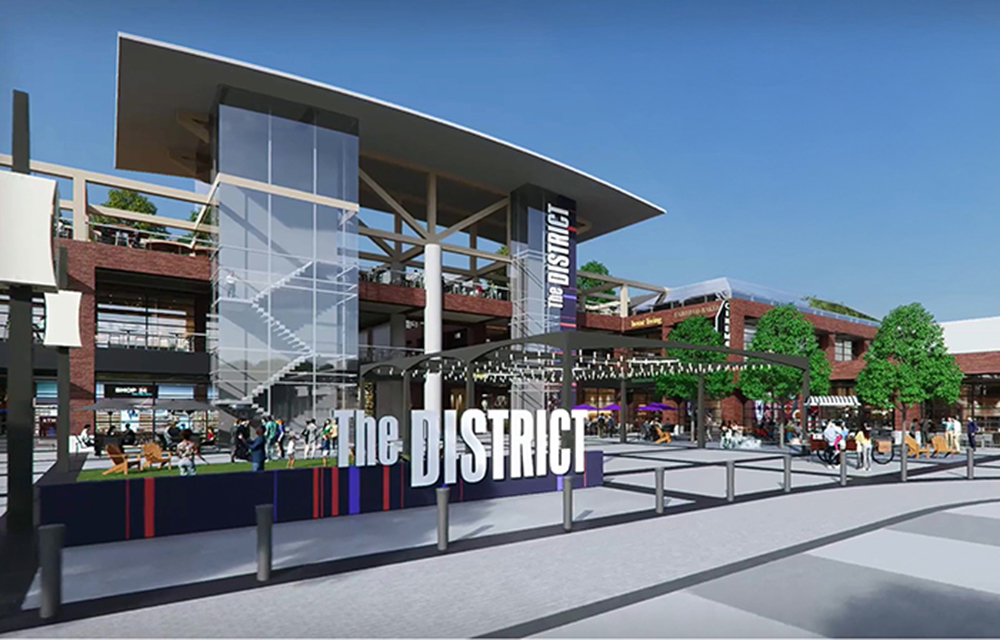
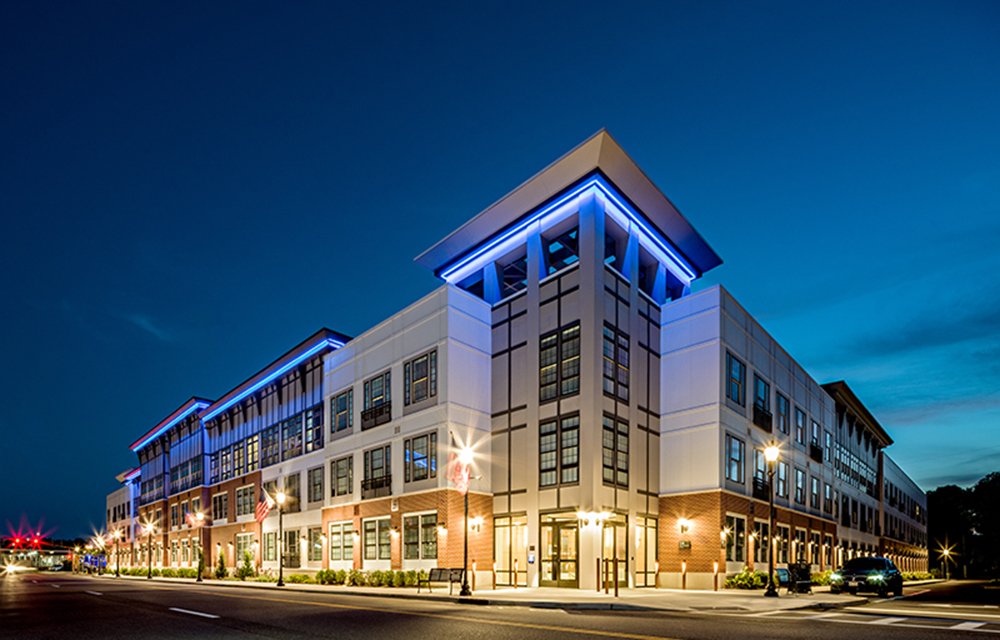
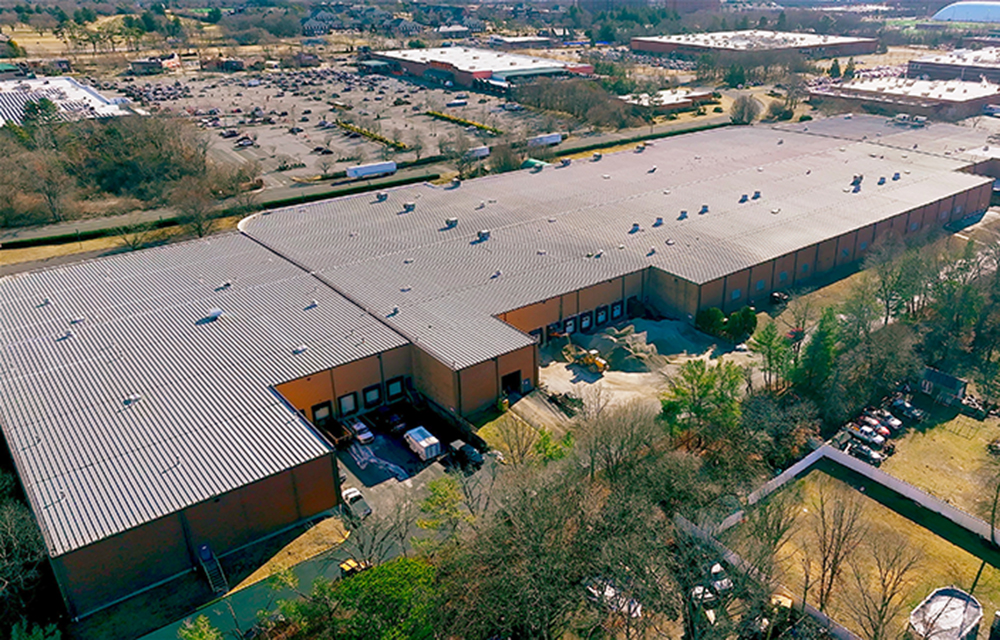
This spotlight showcases projects completed and currently under construction across Long Island as well as highlights improvements made to the region through Industrial and Economic Development Agencies and BIDs.

.png)

 (2).gif)

Columns and Thought Leadership

2026 Developing Queens: Long Island Board of Realtors advances commercial growth and advocacy in Queens
The Long Island Board of Realtors (LIBOR) Commercial Network continues to play a key role in advancing opportunities and strengthening the commercial real estate landscape across Queens. Through targeted programming and global outreach

Properly serving a lien law Section 59 Demand - by Bret McCabe
Many attorneys operating within the construction space are familiar with the provisions of New York Lien Law, which allow for the discharge of a Mechanic’s Lien in the event the lienor does not commence an action to enforce following the service of a “Section 59 Demand”.

CRE Guide Featured Company: Merritt Environmental Consulting Corp.
Merritt Environmental Consulting Corp. (MECC) was established in June of 2009 after being part of a larger engineering firm for almost 20 years. The focus of the company is to assist lending institutions, attorneys, real estate investors, and property owners with environmental concerns. Today, MECC has offices in New York, Florida, and Vermont and has grown into a regional consulting firm serving clients along the East Coast.

From vacancy to vitality: How adaptive reuse is reshaping Long Island’s CRE landscape - by Andrea Tsoukalas Curto
Adaptive reuse has become one of the most important conversations in commercial real estate today. Long Island has a large inventory of aging retail, office and industrial