



News:
Spotlight Content
Posted: February 25, 2013
Now is the perfect time to discuss an owners' liability for ice and snow removal issues
Now is the perfect time to discuss an owners' liability for ice and snow removal issues. Part and parcel of that discussion is the importance of maintaining their properties as well. This latest snow storm should be a wake up call to all of us about what ice and snow can do. Snow, but mostly ice, literally shut down New York's Long Island Expressway for several days.
So it is essential that owners be aware of their respective municipalities rules governing snow and ice removal as well as making sure their properties are in sound physical condition. Your leases may also set forth your obligations to tenants and your insurance company may well send you pre-winter notices as well.
Winter makes repairs quite difficult, if they can be done at all. Problems are usually magnified during the winter months as water penetrates into cracks and holes and then contracts and expands during each freeze cycle. Sidewalks and roadways heave and crack and chinks come out at times as well. Year round maintenance will help you during the winter months. If you eradicate those holes and cracks in the warmer months so water can not penetrate you should anticipate less problems. A small crack or hole pre-winter usually will turn out to be a large crack and hole by the end of the winter. Hence it is essential that your property be properly maintained and the surfaces are as level as you can make them. Uneven surfaces get caught by the edges of plows and shovels during the winter. Both the equipment and surfaces are then damaged. Level surfaces permit easier plowing and better conditions for your tenants and their customers and delivery people to walk upon.
No doubt your lease requires the tenant to maintain the premises in first class condition, so you must provide them with the same amenities. Not to mention how well you maintain (or don't maintain) your premises sends a message to persons who traverse across your property. Those people include prospective tenants who can then see how well (or not) you maintain your property. Included also are existing tenants whose leases may be up for renewal. With the plethora of options out there for a tenant, some as close as the mall next door why would you give them a reason to move?
Also many mall leases have a percentage clause in their leases, so failing to maintain the sidewalks, roadways and walkways and other surfaces will drive away customers and hurt both you and the tenants. How often do you return to a location where the parking lot has pot holes that rattle your car or are large enough to damage a tire, or the sidewalks are cracked, uneven or have chunks missing. Would you permit your family members to shop there if you knew there are potential dangers?
Finally, proper maintenance of the property will help your staff do their job more efficient and easier during clean up after a snow fall or ice, which can come from rain or a melting. A level surface will significantly reduce wear and tear on your equipment. A level surface will lengthen the life expectancy of the sidewalks, walkways and roadways as well. Broken or uneven pavement or roadways will likely suffer more damage from the equipment used to remove snow from them.
Not to mention that your tenants will let you know when they are dissatisfied or worse for most owners, not renew their leases and move to another location.
If you own a building in a town or city and it abuts municipal sidewalks, your municipality most definitely has rules about clean up. For instance in New York City the rule is that the owner need not begin clean up of ice and snow until the later of 4 hours after the last snowflake has fallen - or 11 AM if the last snowflake fell in the wee hours of the day. Further, should an owner do so prior to that time, they will be held liable for injuries that occur thereafter as a result of more snow fall or ice. Bottom line is there is no obligation, but once undertaken the sidewalk must remain clean or you can be sued for negligence.
Don't rely on your municipal laws to protect you from a lawsuit. A pedestrian may well sue despite the law especially if the injuries are severe. Given the current expense of liability insurance, it is well in an owners best interest to act quickly and thoroughly to clean its pathways, sidewalks and roadways.
And given past history and current major different weather patterns, don't put your equipment away the first sunny spring day because there is always a chance of a spring storm.
Howard Stern, Esq., is the owner and an attorney at Law Offices of Howard Stern, White Plains, N.Y.
Tags:
Spotlight Content
MORE FROM Spotlight Content
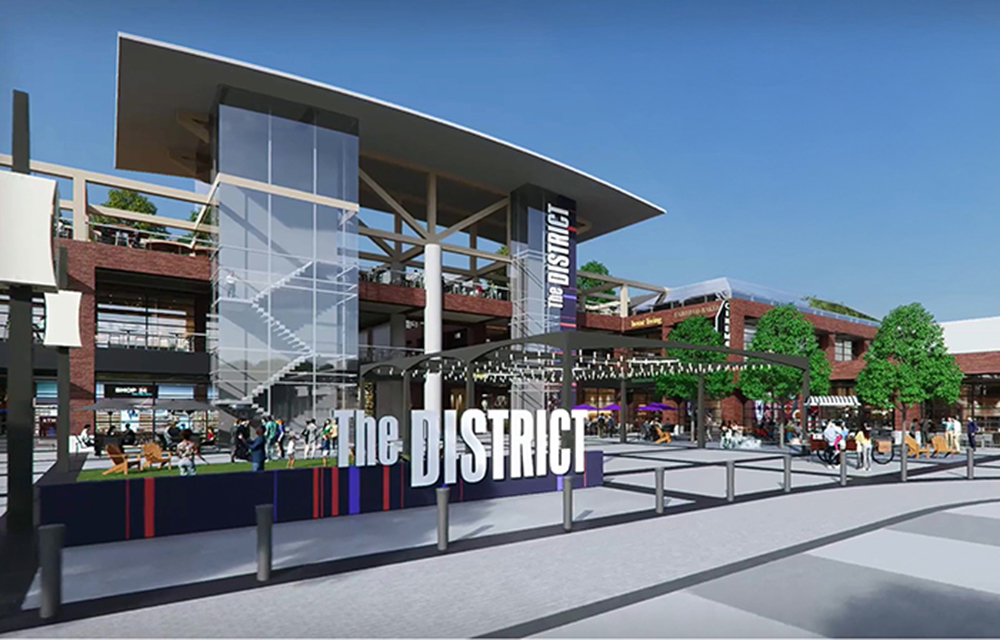
2026 Developing Long Island: The Shops on Broadway
Hicksville, NY The Shops on Broadway is transforming one of Long Island’s most recognizable retail properties into a vibrant new destination. At the heart of the redevelopment is The District, an open-air environment designed by SPECTOR Companies around dining, entertainment, gathering, and community.

.png)

 (2).gif)

Columns and Thought Leadership

CRE Guide Featured Company: Merritt Environmental Consulting Corp.
Merritt Environmental Consulting Corp. (MECC) was established in June of 2009 after being part of a larger engineering firm for almost 20 years. The focus of the company is to assist lending institutions, attorneys, real estate investors, and property owners with environmental concerns. Today, MECC has offices in New York, Florida, and Vermont and has grown into a regional consulting firm serving clients along the East Coast.

From vacancy to vitality: How adaptive reuse is reshaping Long Island’s CRE landscape - by Andrea Tsoukalas Curto
Adaptive reuse has become one of the most important conversations in commercial real estate today. Long Island has a large inventory of aging retail, office and industrial

2026 Developing Queens: Long Island Board of Realtors advances commercial growth and advocacy in Queens
The Long Island Board of Realtors (LIBOR) Commercial Network continues to play a key role in advancing opportunities and strengthening the commercial real estate landscape across Queens. Through targeted programming and global outreach

Properly serving a lien law Section 59 Demand - by Bret McCabe
Many attorneys operating within the construction space are familiar with the provisions of New York Lien Law, which allow for the discharge of a Mechanic’s Lien in the event the lienor does not commence an action to enforce following the service of a “Section 59 Demand”.
September Promotion
