



News:
Spotlight Content
Posted: January 28, 2013
Mansour Tabibnia 2013
Name: Mansour Tabibnia
Title: Partner
Company: Azad Property Group
Location: 40 Exchange Place, New York, NY 10005
Birthplace: Tehran, Iran
Family: My beautiful wife, parents, older sister and her children
College: St. John's University
First job outside of real estate: Professional tennis player and later coach
First job in real estate or allied field: Property owner
What do you do now and what are you planning for the future? I am partner at Azad Property Group, and in the immediate future I am looking to acquire properties in Tri-State for my own portfolio
Hobbies: Photography
Favorite book: "The Old Man and The Sea"
Favorite movie: "The Godfather," of course, and "Braveheart"
Keys to success: Never ever give up, honesty and integrity
Person(s) you most admire (outside of family): I admire people who devote their lives to charity, and humanity.
If you had to choose another vocation, what would it be? Devoting my life in helping sick children
Tags:
Spotlight Content
MORE FROM Spotlight Content
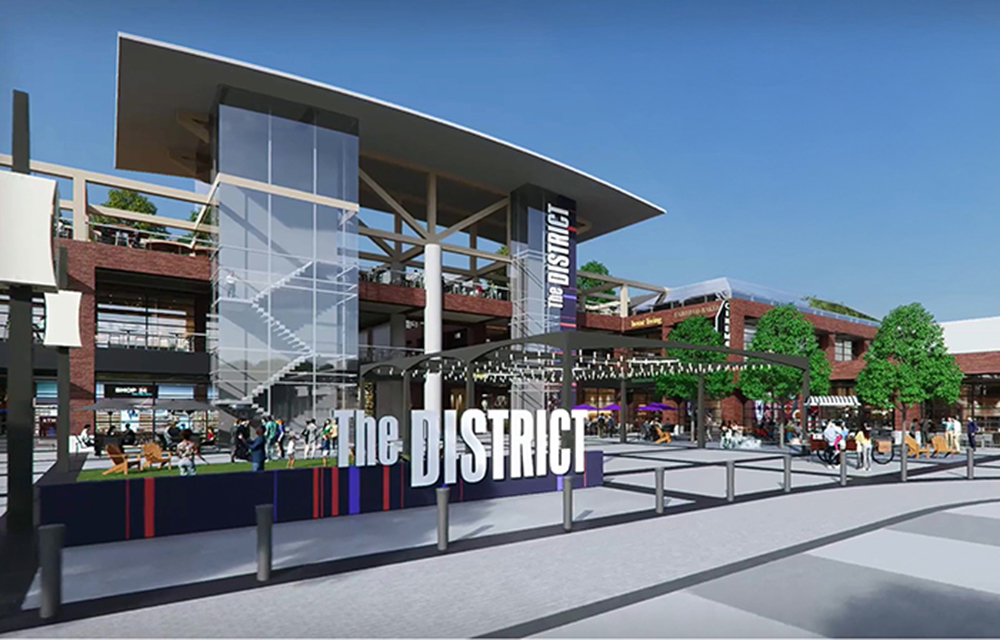
2026 Developing Long Island: The Shops on Broadway
Hicksville, NY The Shops on Broadway is transforming one of Long Island’s most recognizable retail properties into a vibrant new destination. At the heart of the redevelopment is The District, an open-air environment designed by SPECTOR Companies around dining, entertainment, gathering, and community.

.png)

Quick Hits
 (2).gif)

Columns and Thought Leadership

Properly serving a lien law Section 59 Demand - by Bret McCabe
Many attorneys operating within the construction space are familiar with the provisions of New York Lien Law, which allow for the discharge of a Mechanic’s Lien in the event the lienor does not commence an action to enforce following the service of a “Section 59 Demand”.

CRE Guide Featured Company: Merritt Environmental Consulting Corp.
Merritt Environmental Consulting Corp. (MECC) was established in June of 2009 after being part of a larger engineering firm for almost 20 years. The focus of the company is to assist lending institutions, attorneys, real estate investors, and property owners with environmental concerns. Today, MECC has offices in New York, Florida, and Vermont and has grown into a regional consulting firm serving clients along the East Coast.

2026 Developing Queens: Long Island Board of Realtors advances commercial growth and advocacy in Queens
The Long Island Board of Realtors (LIBOR) Commercial Network continues to play a key role in advancing opportunities and strengthening the commercial real estate landscape across Queens. Through targeted programming and global outreach

From vacancy to vitality: How adaptive reuse is reshaping Long Island’s CRE landscape - by Andrea Tsoukalas Curto
Adaptive reuse has become one of the most important conversations in commercial real estate today. Long Island has a large inventory of aging retail, office and industrial
September Promotion
