



News:
Brokerage
Posted: August 19, 2011
New York's office market - A decade after 9/11
The deadly terrorist attacks on 9/11/01 challenged the mettle of our city and threatened to destroy the office market in Lower Manhattan. The effects of the assault were deep, thousands of businesses were displaced, the revival of Lower Manhattan from the recession of the mid-1990s was derailed, the transformation of Downtown Manhattan into a 24/7 community halted, and enormous personal suffering was sustained.
Despite N.Y.'s resilience and the support from across the country and around the world, a fundamental question remained. Would N.Y.C. and Lower Manhattan, the capitol of financial markets, recover?
Ten years later, N.Y.C. has more people, 8.2 million an all-time high, and more jobs, 3.7 million, than on 9/11. In the past decade, the city has developed 22 new office buildings, including two on the perimeter of the World Trade Center site. Overall Manhattan and Downtown rents are higher than at the end of 2001. The rebuilding of the World Trade Center site is underway with two new office buildings about to top out, a new transit station moving forward, and the 9/11 memorial is scheduled to open on the 10th anniversary of the tragedy. The full recovery of Lower Manhattan is progressing well and the city's office market has rebounded from the events of a decade ago.
Although the visible signs may just be rising now, the recovery began in the days and weeks after the attack.
REBNY met with city and state officials to develop a plan to attract businesses back to lower Manhattan. At the same time REBNY worked with our elected officials in Washington, especially senators Schumer and Clinton and the entire N.Y. congressional delegation, to secure the $20 billion President Bush pledged for the rebuilding of Lower Manhattan and the World Trade Center site.
In March 2002, President Bush signed an economic stimulus bill that included a $5 billion tax incentive package for Lower Manhattan. The "Liberty Zone" tax incentives for Lower Manhattan's reconstruction were part of the $20 billion of federal assistance promised by the President when he visited N.Y. in Sept. 2001. REBNY was a key participant in the development of the incentives that became part of the Liberty Zone bill.
The bill included a range of incentives: a $2,400 per year per employee tax credit for two years for firms with 200 employees or less; authorization to issue up to $8 billion in tax exempt bonds for new construction and rehabilitation; a 30% bonus depreciation in the first year of owning new office equipment; a deferral of taxes on insurance proceeds for up to five years; and accelerated depreciation of leasehold improvements in Lower Manhattan to 5 years from 39 years.
These incentives, both their announcement and their distribution, began to stabilize the commercial market and provided the needed inducement for businesses to stay and, for those that were displaced, to return. The completion of the site clean-up by the summer of 2002 signaled a turning point. The rebuilding of the site, particularly the PATH and subway stations, was underway immediately after the clean up was complete. Though the rebuilding of the commercial space on the World Trade Center site was slow to start, the new 7 World Trade Center and a new headquarters for Goldman Sachs, both on the perimeter of the site, sent a strong message about our city's resilience and recovery. The announcement earlier this year that Condé Nast would be a major private sector tenant for 1 World Trade Center was a critical accomplishment as we approach the tenth anniversary.
In the last few years, the N.Y. office market saw a decline as a result of the financial crisis. These economic problems have not wiped out the gains in the office market in Manhattan and Lower Manhattan since the end of 2001.
As New Yorkers, we can be proud of how our city continues to thrive despite this terrible event. Our confidence, determination, and the leadership of the business community and government have created a vibrant city, one which could not be seen through the dark clouds that blanketed our horizon of that fateful day.
Tags:
Brokerage
MORE FROM Brokerage
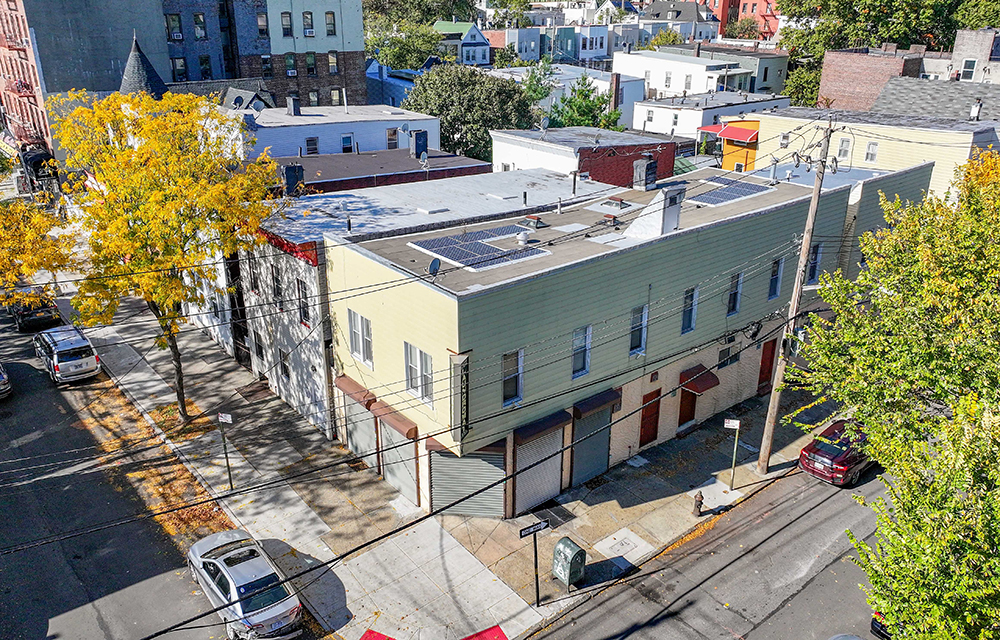
Investment Property Realty Group’s Team Friedman closes five Bronx sales totaling $5.3 million
Bronx, NY Investment Property Realty Group’s (IPRG) Team Friedman closed five sales totaling $5.3 million in the month of September. • 1707 Melville St. sold for $1.35 million. Located in Van Nest, the property



Quick Hits

Columns and Thought Leadership

A guide to finding the right NYC property management company - by Sanjay Gandhi
Being a small to midsize landlord in NYC is an increasingly demanding endeavor. From navigating complex regulations, increased compliance demands to dealing with tenant issues and remediating violations. It is wise to enlist the assistance of a partner, a professional

Positive forecast for New York’s pro-housing push? - by Philip Butler
New York’s housing crisis remains a hot button topic despite growing consensus that varied and affordable housing is desperately needed statewide. Governor Hochul has recently introduced several initiatives to overcome N.Y.’s anti-housing

Hunt commercial real estate question and answer: Fortune 500 wisdom - by David Hunt
Yes, there are lessons to be learned from the largest companies in America when comes to managing your real estate. But the decision to buy or lease real estate may not be one of

New York’s streets are full again, and the retail numbers prove it - by Noam Aziz
Walk down any New York block this year and you can feel it. The sidewalks are crowded, the storefronts are lit, and the energy that defines this city is back at full volume.
.gif)