



News:
Brokerage
Posted: February 6, 2009
New York City to place diagrams of proposed bldgs. and devs. online
Mayor Michael Bloomberg, deputy mayor for operations Edward Skyler and Department of Buildings (DOB ) commissioner Robert LiMandri launched reforms to the development process that will give New Yorkers a stronger voice in the development of neighborhoods, create greater transparency, and clarify the process for the public and for developers. The city will become one of the first cities in the nation to put diagrams of proposed new buildings or major enlargements online so the public can view the size and scale of a proposed building. A new 30-day formal public challenge period will be implemented to give the public a greater voice in the development process and provide clarity for developers about when and how a project can move forward. The mayor was joined by deputy mayor for economic development Robert Lieber. The new measures, which fulfill a commitment the mayor made in his state of the city address, will go into effect starting Monday, March 9th.
Architects and engineers filing applications for new buildings and major enlargements will be required to submit diagrams, which will be available at www.nyc.gov. The diagrams will include the size of the project, drawn to scale, and where a building will sit in relation to the street.
The 30-day public-challenge process establishes a defined and organized means for the public to challenge zoning decisions by DOB that they believe are incorrect, and will provide clarity and certainty for developers about when a project can move forward, and when changes to a proposed development need to be made.
The online diagrams and new challenge process will streamline the review of the thousands of challenges DOB receives each year - at no additional cost to the city.
New Formal Public Challenge Process
* Initial Public Challenge Period: When DOB approves plans for any new building or major enlargement, the building diagrams, called ZD1 forms, and other associated documents will be uploaded to the DOB website. Once a permit is issued builders will be required to post the permit at the location within three days so the public is aware of the proposed development. New Yorkers will have 30 calendar days to review and challenge the development approval.
* Initial Zoning Challenge Review: After the initial public challenge period ends, the DOB borough commissioner will address every challenge by conducting a full review of the construction plans and rendering decisions that will be posted online. If a challenge is determined to be valid, appropriate enforcement action will be taken.
* Community Appeals Period: If the borough commissioner determines that a challenge is invalid, the public will be given an additional 15 calendar days to appeal to the first deputy commissioner.
* Final Zoning Challenge Review: Once the first deputy commissioner issues a determination, the decision may be appealed to the board of standards and appeals for a final determination.
"The reforms we are detailing today will inject a much-needed dose of transparency and accountability into a critical area of construction and development - zoning compliance," said Bloomberg. "The reforms center on the public's right to challenge any approved development if they think it violates local zoning regulations. For too long, this process has been too onerous for most New Yorkers. The reforms will make sure people have a stronger voice in the development that's taking place in their neighborhoods, while also giving developers more certainty about their projects."
"Until now, knowledge of development approvals has been limited to a small group of insiders with expert knowledge. This puts the public at a disadvantage and creates uncertainty for developers, who could be subject to a challenge long after a building is out of the ground," said LiMandri. "This new process will give the public a chance to see what a building will look like before the first shovel hits the ground and developers certainty that once the public has had an opportunity to comment and any compliance issues have been resolved, their project can move forward. These reforms increase transparency and raise accountability across the board."
Tags:
Brokerage
MORE FROM Brokerage
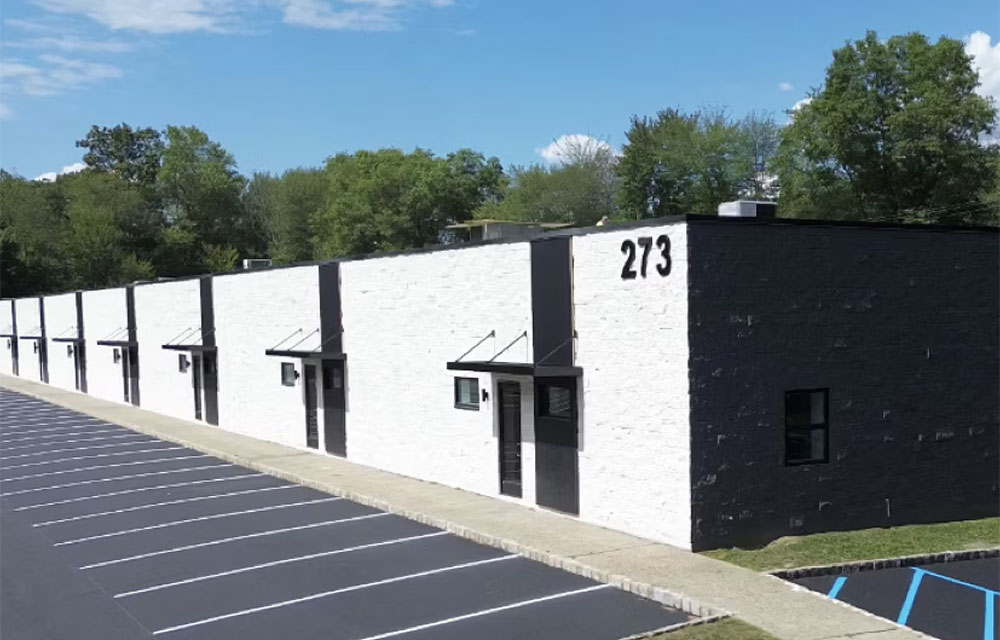
Resource Realty of Northern NJ delivers complete lease-up of 235 Franklin Rd. for Commerce Park Investors
Randolph, NJ Resource Realty of Northern New Jersey (RRNNJ) has completed the lease-up of a 10-unit small-bay industrial property at 273 Franklin Rd., marking the culmination of an investment strategy that began



Quick Hits
 (2).gif)

Columns and Thought Leadership

Positive forecast for New York’s pro-housing push? - by Philip Butler
New York’s housing crisis remains a hot button topic despite growing consensus that varied and affordable housing is desperately needed statewide. Governor Hochul has recently introduced several initiatives to overcome N.Y.’s anti-housing

New York’s streets are full again, and the retail numbers prove it - by Noam Aziz
Walk down any New York block this year and you can feel it. The sidewalks are crowded, the storefronts are lit, and the energy that defines this city is back at full volume.

A guide to finding the right NYC property management company - by Sanjay Gandhi
Being a small to midsize landlord in NYC is an increasingly demanding endeavor. From navigating complex regulations, increased compliance demands to dealing with tenant issues and remediating violations. It is wise to enlist the assistance of a partner, a professional

Hunt commercial real estate question and answer: Fortune 500 wisdom - by David Hunt
Yes, there are lessons to be learned from the largest companies in America when comes to managing your real estate. But the decision to buy or lease real estate may not be one of
.gif)