



News:
Brokerage
Posted: November 28, 2008
New York City council approves two Queens development plans
Mayor Michael Bloomberg commended the city council for its approval of the city's development plans at Hunters Point South and Willets Point.
Hunter's Point South, a 30-acre, vacant waterfront site, will accommodate 5,000 new units of housing, 60% of which will be affordable primarily to moderate and middle-income families. Additionally, the city will pave the way for 500 units of housing reserved for low-income families to be developed over time in the surrounding area. The project will also include more than 11 acres of landscaped waterfront parkland, new retail shops, community facility space and a new school.
The Willets Point Development Plan calls for the remediation of what is today a polluted 62-acre site that sits on the Flushing River between the neighborhoods of Flushing and Corona and adjacent to Flushing Meadows Corona Park and the new home of the Mets, Citi Field. The plan will create 5,500 housing units, 35% of which will be dedicated to low, moderate and middle-income families, eight acres of open space, parks and playgrounds, 500,000 s/f of office space, 1.7 million s/f of retail space, a new school and a hotel and convention center. In addition to creating 5,300 permanent jobs and 18,000 construction jobs, the plan is expected to generate $1.3 billion in direct tax revenue and at least $25 billion in economic activity over 30 years. The plan, which will produce one of city's first LEED-certified neighborhoods, also includes a comprehensive Willets Point Workforce Assistance Plan, to be administered by LaGuardia Community College - that will be available to all 1,700 workers at Willets Point.
"For nearly half a century, Willets Point has been an environmentally degraded area in the heart of Queens, but today, it finally has a brighter future, one that will create more than 5,000 permanent jobs, thousands of units of affordable housing, and generate $1.3 billion in tax revenue and $25 billion in overall economic activity over the next 30 years," said Bloomberg. "The council's approval of our plan to create 5,000 units of housing at Hunters Point South is equally important. It will be N.Y.C.'s largest development that includes permanently affordable housing targeted primarily to moderate and middle-income families, our police officers, teachers, nurses and vocational workers, among others. Together, the projects will provide more than 10,000 units of housing, about half of which will include income targets, which will help us achieve our goal of building and preserving affordable housing for half a million New Yorkers."
"I am proud to stand with the Bloomberg administration and deputy mayor Lieber to support a plan that puts people first, the people of Queens," said council member Hiram Monserrate. "This new and improved plan reflects the true potential of large-scale development projects. It proves that we can include the best long-term planning and the smartest allocation of resources while keeping our moral responsibility to the families and workers affected. I am proud to say this plan creates a gleaming industrial, commercial and residential community that any New Yorker from any walk of life could benefit from."
Tags:
Brokerage
MORE FROM Brokerage
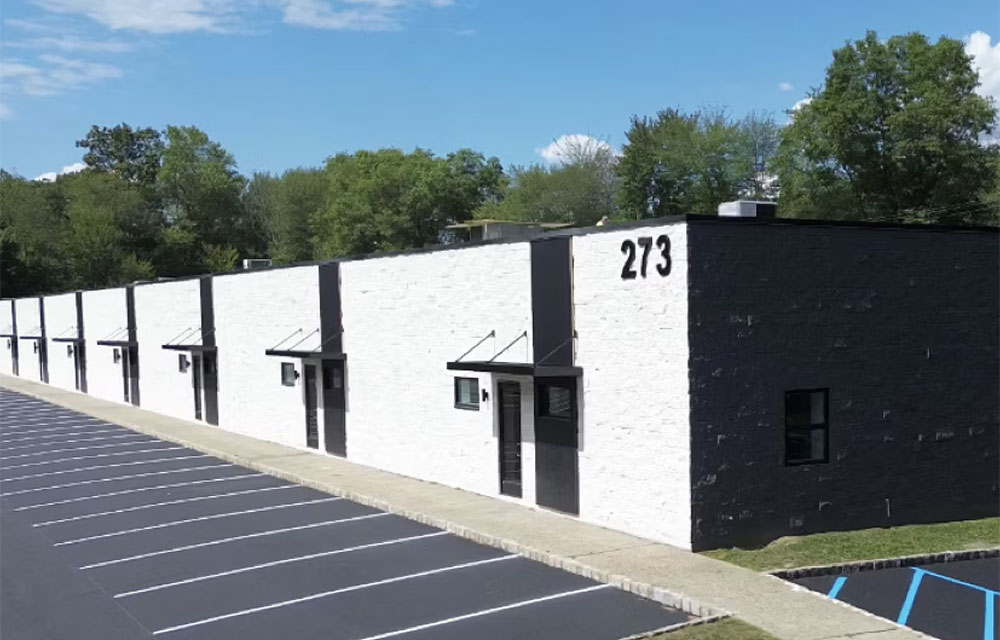
Resource Realty of Northern NJ delivers complete lease-up of 235 Franklin Rd. for Commerce Park Investors
Randolph, NJ Resource Realty of Northern New Jersey (RRNNJ) has completed the lease-up of a 10-unit small-bay industrial property at 273 Franklin Rd., marking the culmination of an investment strategy that began



 (2).gif)

Columns and Thought Leadership

Positive forecast for New York’s pro-housing push? - by Philip Butler
New York’s housing crisis remains a hot button topic despite growing consensus that varied and affordable housing is desperately needed statewide. Governor Hochul has recently introduced several initiatives to overcome N.Y.’s anti-housing

New York’s streets are full again, and the retail numbers prove it - by Noam Aziz
Walk down any New York block this year and you can feel it. The sidewalks are crowded, the storefronts are lit, and the energy that defines this city is back at full volume.

Hunt commercial real estate question and answer: Fortune 500 wisdom - by David Hunt
Yes, there are lessons to be learned from the largest companies in America when comes to managing your real estate. But the decision to buy or lease real estate may not be one of

A guide to finding the right NYC property management company - by Sanjay Gandhi
Being a small to midsize landlord in NYC is an increasingly demanding endeavor. From navigating complex regulations, increased compliance demands to dealing with tenant issues and remediating violations. It is wise to enlist the assistance of a partner, a professional
.gif)