



News:
Construction Design & Engineering
Posted: January 20, 2016
New York Building Congress to host Construction Industry Breakfast Forum on March 3rd
 Matthew Driscoll, New York State Department of Transportation Commissioner
MORE FROM Construction Design & Engineering
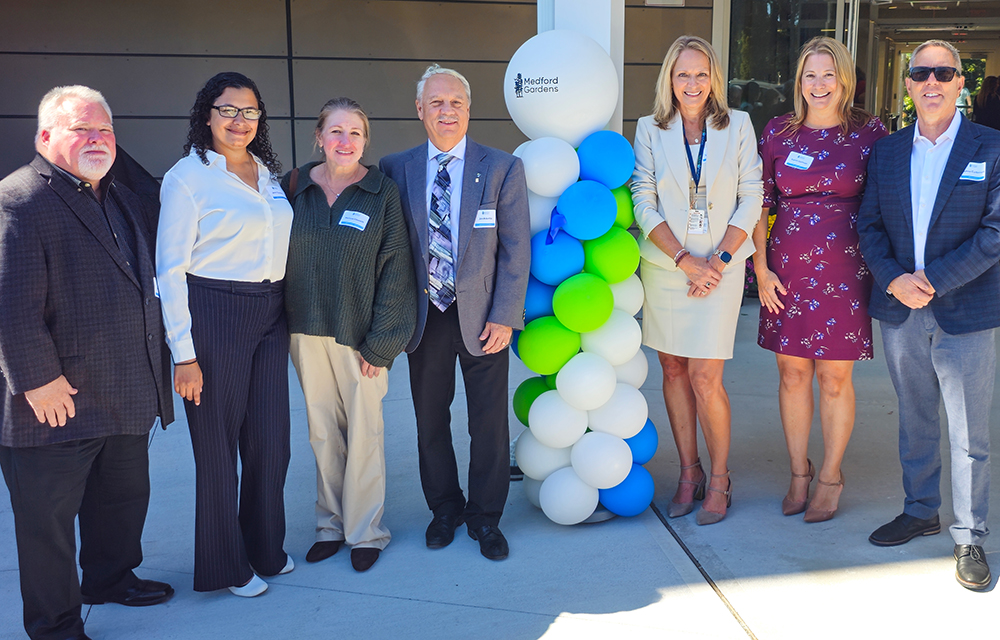
WellLife and H2M celebrate new senior housing Medford Gardens provides affordable housing for renters 55 and older
Medford, NY H2M architects + engineers (H2M) joined WellLife Network, along with state and local officials, housing advocates, and project partners, to celebrate the grand opening of Medford Gardens, a new affordable and supportive
Quick Hits


Columns and Thought Leadership
Premium experiences, proven returns: The New revenue playbook for sports venues - by Terry McIntyre
Investing in the Fan Experience as a Revenue Strategy The sports and entertainment venues that bet on premium experiences years ago are now seeing those investments pay off in packed seats, increased revenue, and industry recognition.

We support green construction. Just not this kind - by Tammy Smith
Most people think of St. Patrick’s Day as a fun footnote on the calendar. In construction logistics, however, it’s a full-scale operational variable — especially if your work touches major metro areas with major parades and, let’s call it what it is, enthusiastic celebrants.

The Façade is no longer just a finish. It’s a risk strategy. - by Bentley Zhao
Twelve-billion-dollar weather disasters have already hit the U.S. through the first half of 2026, causing at least $31.9 billion in damage, according to Climate Central, the nonprofit that now maintains the disaster database NOAA discontinued.
