


News:
Shopping Centers
Posted: August 8, 2008
New legislation regarding New York's Brownfield Cleanup Program signed by governor Paterson
New legislation was signed by Governor David A. Paterson at a ceremony in Buffalo on July 23rd to reform the state's Brownfield Cleanup Program. The Brownfield Cleanup Program supersedes the former Voluntary Cleanup Program, which has been disbanded. As sites were accepted into and advanced through the Brownfield Cleanup Program, it has been found in some cases that the accrued tax credits were greater than intended, particularly with respect to credits generated by development costs, as opposed to remediation costs. In some cases, development projects could probably have been justified economically without the credits. This resulted in large tax credits to developers of expensive projects while not providing sufficient incentive to develop sites with more demanding cleanup requirements. The recently passed legislation will:
* Provide more than double the current tax incentives for site cleanup, up to 50% of cleanup costs in some cases;
* Limit redevelopment credits for non-manufacturing projects to $35 million or three times the cost of site cleanup, whichever is less;
* Limit redevelopment credits for manufacturing projects to $45 million or six times the cost of site remediation, whichever is less; and
* Streamline administration of the Brownfield Opportunity Area Program.
The revised program retains the same four cleanup tracks as the old program. The better the site is cleaned up, the greater the calculated tax credit. To get the maximum tax credit, the site must be cleaned up to the track 1 standards for unrestricted use. The new program also retains the need for a brownfield cleanup agreement, citizen participation, certificate of completion, and most other program elements.
Under the old Brownfield Cleanup Program, there was no cap on the amount of the tax credits, which were calculated as percentages of the costs of both remediation and development. In anticipation of the current legislation, the Dept. of Environmental Conservation had imposed a moratorium on review of new Brownfield Cleanup Program applications. With approval of the program changes, the Dept. of Environmental Conservation lifted that moratorium effective July 23rd. Brownfield Cleanup Program applications that were received before July 1st, 2007 and applications that were approved by the Dept. of Environmental Conservation as of the date of the legislation's enactment will continue to be eligible for the tax credits under the old rule.
According to a recent Dept. of Environmental Conservation press release, the Dept. of Environmental Conservation commissioner Pete Grannis said, "So far, not enough cleanup money has found its way into the urban core of our cities, where thousands of brownfield sites perpetuate blight, create public health risks and discourage needed investment. This agreement reforms the Brownfield Cleanup Program to make it smarter, more effective and more accountable to taxpayers."
The program revisions also include the creation of a 15-member Brownfield Advisory Board, chaired by the commissioner of the Dept. of Environmental Conservation, to oversee administration of the program and to monitor its effectiveness.
With the changes to the Brownfield Cleanup Program and the elimination of the Voluntary Cleanup Program, the New York State Dept. of Environmental Conservation now has three programs available for overseeing site remediation: The Spills Program (normally employed for petroleum spills and small spills of other hazardous materials); The State Superfund Program; and The Brownfield Program.
Application to the State Superfund Program and The Brownfield Program involves extensive documentation, public participation at key steps, remedy selection, high spec analytical work, higher costs, and much longer time frames. The Spills Program is administered by Dept. of Environmental Conservation, but typically with only a narrative work plan. That leaves a large number of middle ground sites that are not heavily contaminated enough to be eligible for the Brownfield Cleanup Program or Superfund programs, but which deserve more oversight than is available under the Spills program. These sites were discussed during the legislative process, but at this time no new program is under consideration.
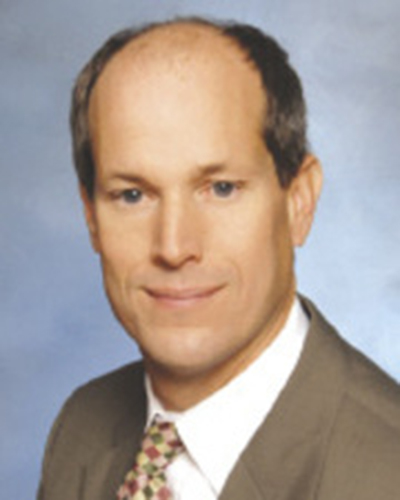
Ken Brooks, P.E., is the senior vice president at Galli Engineering, P.C., Melville, N.Y.
Tags:
Shopping Centers
MORE FROM Shopping Centers
2024 Year in Review: William O’Brien, M.C. O’Brien, Inc.
What noteworthy transactions or deals from this year best exemplified key market trends or shifts? I would like to say there was an outstanding transaction for me this past year but 2024 was more a culmination of long-term relationships, most of which continued to transact. Deals were smaller in many cases but we saw robust leasing both on the agency side as well as on the tenant side.



Quick Hits



September Promotion
