



News:
Brokerage
Posted: May 30, 2023
McCoy and Miller join DGNY Commercial
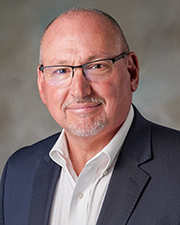
Melville, NY Veteran commercial real estate brokers, Dennis McCoy and Marty Miller, have joined DGNY Commercial.
“We are immensely pleased to welcome two such highly respected brokers to the DGNY Commercial team,” said Frank Socci, Jr. chief of DGNY Commercial, head of finance & facilities.
McCoy brings more than 25 years of experience in the metro area with a specialization in retail sales and leasing and land development. What’s more, McCoy is a Certified Real Estate Appraiser/FHA approved, specializing in high-end properties ranging from $1 million to $50 million. His clients range from local landlords/retailers to corporations such as General Motors, First National Bank of Long Island, Shop Rite, Citi Mortgage, Washington Mutual, JP Morgan Chase Bank, N.A., DSW, Quick Check, 7-11, AT&T, and T-Mobile. The exclusive broker for Brightview Senior Living and Izumi Hibachi & Sushi, McCoy is a member of the Commercial Industrial Brokers Society of Long Island (CIBS-LI), International Council of Shopping Centers (ICSC) and is a CoStar Power Broker recipient. He comes to DGNY Commercial from Cushman & Wakefield, and formerly was with NAI Long Island.
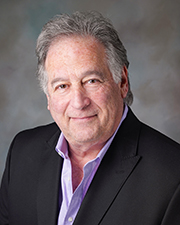
Miller comes to DGNY Commercial from Smith and DeGroat Real Estate. A seasoned commercial broker, Miller has more than 15 years of experience in the development and disposition of shopping centers in both New York and Florida. He specializes in the market and feasibility analysis associated with property procurement for shopping center development. This focused expertise is invaluable to his shopping center clientele during lease negotiations, sales of shopping centers and out parcels, as well as shopping center management and tenant representation. In Florida, Miller was the exclusive broker for Food Lion, a large supermarket chain in that state. He was also an active member of the International Council of Shopping Centers (ICSC) of the Greater Tampa Chamber of Commerce while in Florida.
Miller earned a degree in Communications and Advertising at the University of South Florida.
“Both Marty and Dennis embody what we value in our team; a reputation for integrity, professionalism, deep market knowledge, and long term and developing relationships. We look forward to supporting their continuing success.”
Tags:
Brokerage
MORE FROM Brokerage
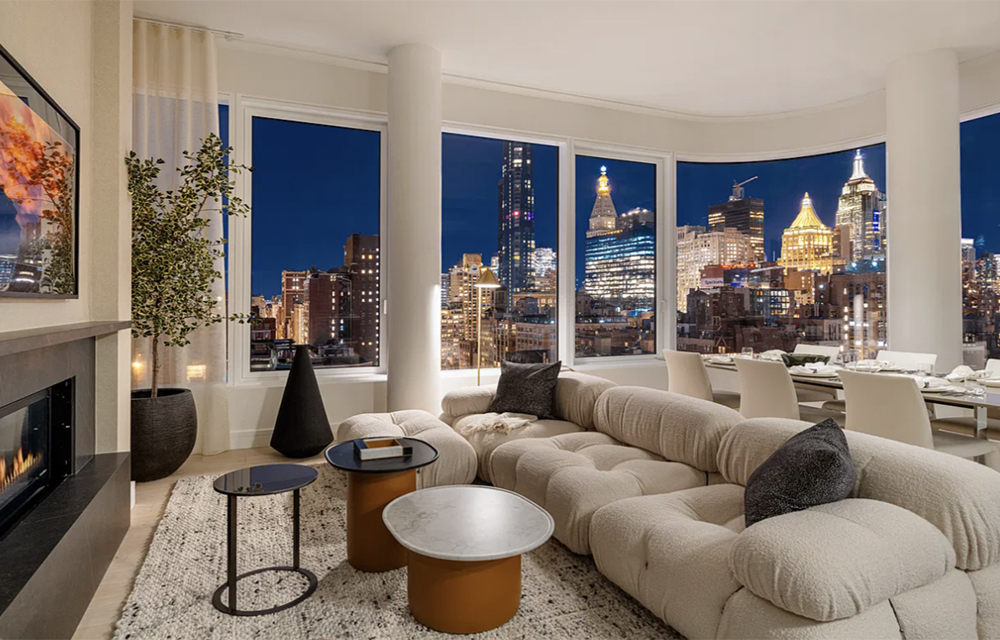
200E20TH sells out in Gramercy, penthouse A closes out sales at the CetraRuddy-designed condominium residences
Manhattan, NY 200E20TH, the CetraRuddy-designed architectural masterwork that brought a curved, contemporary sensibility to Gramercy’s Beaux-Arts streetscape, has





Quick Hits

Columns and Thought Leadership

The art of investing in real estate - by Thomas Donovan
Real estate investing is as much an art as it is a skill. No one can time the market, or the factors that drive it, perfectly. Location, zoning, size, transportation, and neighborhood density give you a baseline for

Hunt CRE question and answer: Choosing a real estate agent - by David Hunt
First, we will only work with one agent exclusively. The primary reason is that we want that agent to legally represent our client’s interests. In New York State, a real estate agent has a fiduciary

New York’s streets are full again, and the retail numbers prove it - by Noam Aziz
Walk down any New York block this year and you can feel it. The sidewalks are crowded, the storefronts are lit, and the energy that defines this city is back at full volume.

Hunt commercial real estate question and answer: Fortune 500 wisdom - by David Hunt
Yes, there are lessons to be learned from the largest companies in America when comes to managing your real estate. But the decision to buy or lease real estate may not be one of
.gif)