



News:
Brokerage
Posted: January 22, 2019
MatriArch Development moves forward with $20 million mixed-use development in Pelham
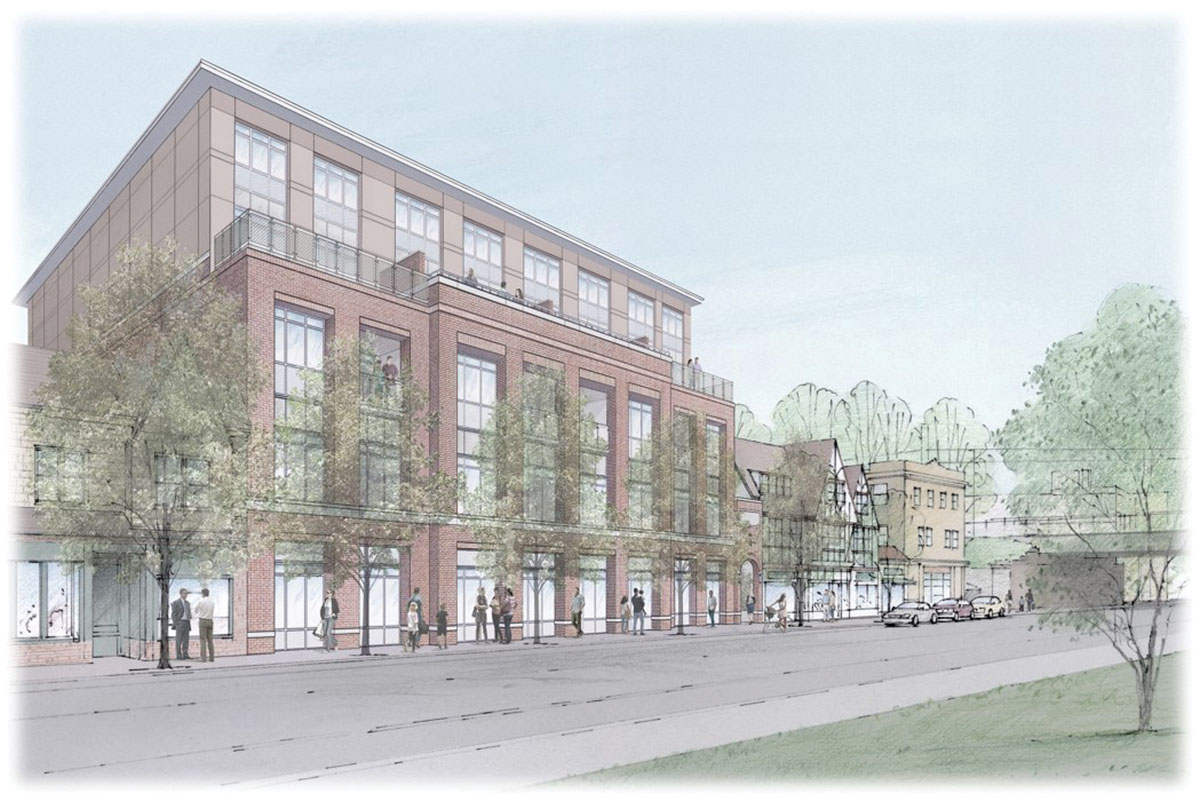
Pelham, NY As a result of land use approvals secured by McCullough, Goldberger & Staudt, LLP, the Village of Pelham has given the go ahead for a mixed-use development near the Pelham Metro-North Station.
The project, at 101 Wolfs Lane, is an over $20 million mixed-use, transit-oriented development by MatriArch Development. It will feature 63 rental units and more than 7,000 square feet of ground-floor commercial/retail space.
Rosalie Kravitz of MartriArch Development said,“It’s essential that MatriArch creates a building that responds to local needs and has minimal, if not positive, environmental impacts. We can’t wait to bring our vision to fruition.”
The Westchester County IDA also gave its approval for a total of $1.47 million in sales tax and mortgage recording tax exemptions. In addition, the project will receive a $1.09 million state grant from the Mid-Hudson Regional Economic Council.
The project is anticipated to create 144 construction jobs as well as 26 permanent jobs.
“This was a project that has been many years in the making, and we are pleased that we were able to help bring it to fruition,’’ said Seth Mandelbaum, managing partner with McCullough, Goldberger & Staudt, LLP. “This key property that has been vacant for more than a decade will now significantly contribute to revitalizing downtown Pelham as well as providing a crucial pedestrian link from the Village parking lot to the adjacent Metro North train station.’’
“Seth impressed us with his clear and precise understanding of our project’s key goals. He worked diligently with us to see the project through to approval,” Kravitz said.
McCullough, Goldberger & Staudt, LLP represents a diverse group of clients MGS has been an integral part of the Westchester community for more than 60 years. The firm offers a wide range of services in areas including land use, commercial and residential real estate, banking law, trusts and estates, municipal law, construction law and all types of litigation. Its clients include corporations, insurance companies, municipalities, coop, condo and homeowners’ associations, developers, golf and country clubs and not-for-profits as well as individual property owners. Services are provided by a team headed by four partners, two of counsel attorneys and seven associates.
Tags:
Brokerage
MORE FROM Brokerage
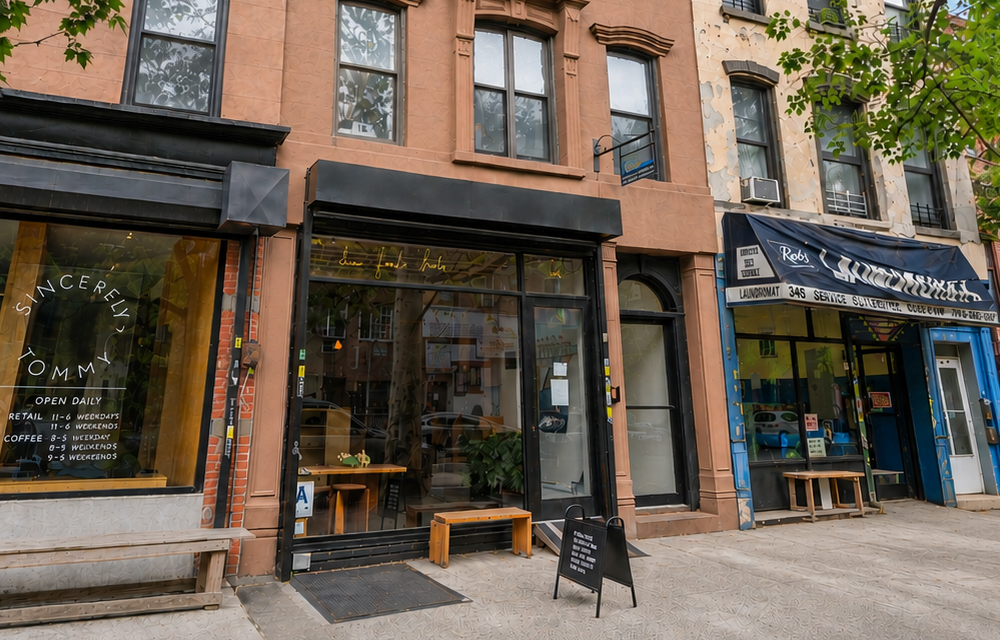
Bestreich, Reynolds, Davila, and Flaherty of Investment Property Realty Group close $1.97 million sale of 343A Tompkins Ave. in Bed-Stuy
Brooklyn, NY Investment Property Realty Group (IPRG) closed the sale of 343A Tompkins Ave., a mixed-use building located in the Bed-Stuy section of the borough, for $1.97 million.



Quick Hits
 (2).gif)

Columns and Thought Leadership

A guide to finding the right NYC property management company - by Sanjay Gandhi
Being a small to midsize landlord in NYC is an increasingly demanding endeavor. From navigating complex regulations, increased compliance demands to dealing with tenant issues and remediating violations. It is wise to enlist the assistance of a partner, a professional

Hunt CRE question and answer: Choosing a real estate agent - by David Hunt
First, we will only work with one agent exclusively. The primary reason is that we want that agent to legally represent our client’s interests. In New York State, a real estate agent has a fiduciary

Hunt commercial real estate question and answer: Fortune 500 wisdom - by David Hunt
Yes, there are lessons to be learned from the largest companies in America when comes to managing your real estate. But the decision to buy or lease real estate may not be one of

New York’s streets are full again, and the retail numbers prove it - by Noam Aziz
Walk down any New York block this year and you can feel it. The sidewalks are crowded, the storefronts are lit, and the energy that defines this city is back at full volume.
.gif)