



News:
Brokerage
Posted: September 22, 2008
Managing physical assets using digital management programs to improve efficiency
Facility and office managers are responsible for a company's physical inventory including all items such as office and lobby furniture, computers, artwork, appliances, office electronics and IT equipment. Managing these physical assets can be a complex logistical challenge. However, this function is vital to the daily functioning of a corporation or business. Larger companies for example, may possess inventories that consist of tens of thousands of items. With the advent of computerized asset management systems, facility and office managers now have the tools to manage inventories more efficiently.
Digital asset management programs are tracking systems that can simplify the management of a corporation's physical assets. For example, the BarScan Asset Management System is a common bar code fixed-asset tracking system. This bar code system is integrated with sophisticated software designed to meet a company's complete asset management needs. Although these types of systems aren't new, they are gaining in popularity in the facility management discipline for their time and cost saving attributes. FITCO, a leading New York furniture delivery and installation company, has been providing this service to its clients since 1996, and the positive feedback has been excellent.
Asset management programs save a significant amount of time. Most large companies have tremendous amounts of new and used furniture and equipment to inventory, store and manage. These systems operate using simple and accurate bar codes and handheld, battery-powered bar code scanners to identify and track each item. This system drastically reduces the time it would take to do a manual inventory and to input data directly into computers.
Inventory managers can save their company money with a digital asset management system. The system offers them a more transparent oversight of their entire inventory, giving them a better idea of what they have and what they need. This reduces the occurrence of unnecessarily ordering items that they already have in stock.
Many companies have multiple storage locations for different items. Digital tracking systems contain information specifying where items are stored, making it easy to track items across several locations. Knowing where items are located at all times is essential for security purposes and also makes them easy to find and redeploy when needed. Such efficient systems help reduce the risk of theft of valuable assets.
Users also have the capacity to track the depreciation of items as well, which makes scheduling asset allocation or liquidation easier. When furniture and equipment are unused, companies must pay for these items to sit in storage. With this type of system fewer items will go unused, significantly reducing the need and cost for storage.
These systems have evolved over the years. Today digital systems have become powerful and customizable. The system can be set to include any available category of information including date of purchase, purchase price, condition, location or any other detail. Asset management systems are also accessible online, allowing managers to log into their company's account in real time from any location with an Internet connection.
Inventory managers can use the system to integrate their asset management with the acounting, information technology and purchasing departments. This allows them to share asset information on an organization-wide level, facilitating better communication and reducing redundant efforts. The system can also be utilized to prepare a company's tax schedule C, which is required by most insurance companies.
Asset management programs have come a long way since their initiation. Today's systems are more comprehensive and adaptable when coupled with customizable software. These systems make managing an organization's assets infinitely more efficient and save companies time, money and aggravation.
Shamus Barnes is the president of FITCO Furniture Delivery and Installation, Maspeth, N.Y.
Tags:
Brokerage
MORE FROM Brokerage
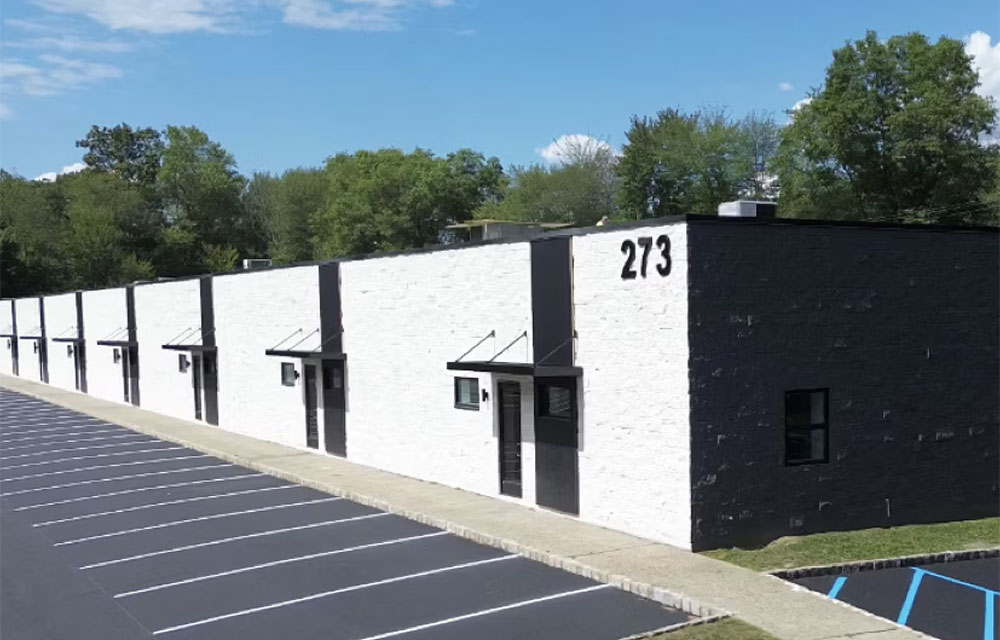
Resource Realty of Northern NJ delivers complete lease-up of 235 Franklin Rd. for Commerce Park Investors
Randolph, NJ Resource Realty of Northern New Jersey (RRNNJ) has completed the lease-up of a 10-unit small-bay industrial property at 273 Franklin Rd., marking the culmination of an investment strategy that began



Quick Hits

Columns and Thought Leadership

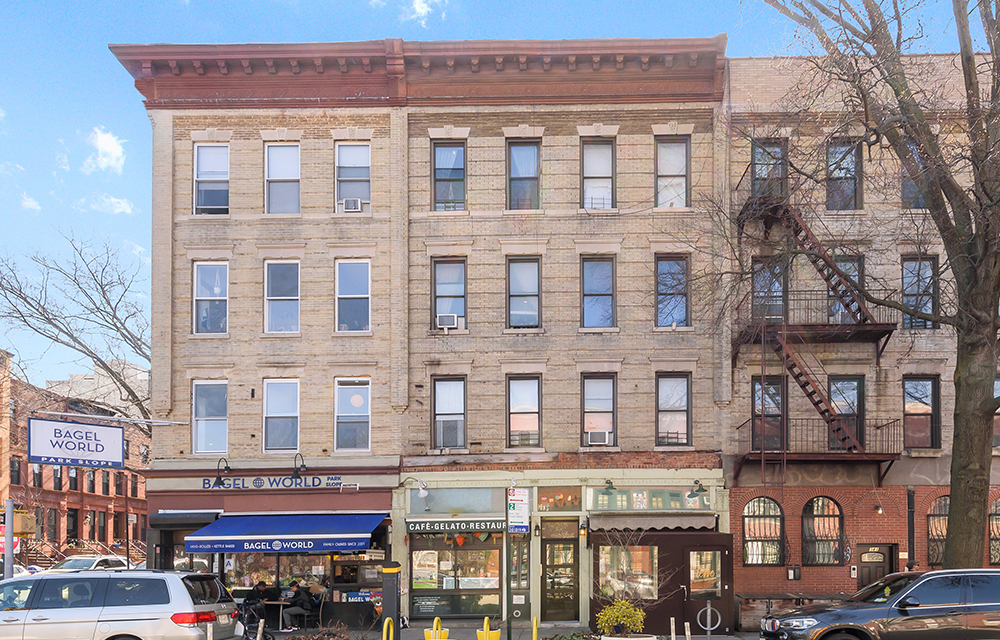
New York’s streets are full again, and the retail numbers prove it - by Noam Aziz
Walk down any New York block this year and you can feel it. The sidewalks are crowded, the storefronts are lit, and the energy that defines this city is back at full volume.

Positive forecast for New York’s pro-housing push? - by Philip Butler
New York’s housing crisis remains a hot button topic despite growing consensus that varied and affordable housing is desperately needed statewide. Governor Hochul has recently introduced several initiatives to overcome N.Y.’s anti-housing

A guide to finding the right NYC property management company - by Sanjay Gandhi
Being a small to midsize landlord in NYC is an increasingly demanding endeavor. From navigating complex regulations, increased compliance demands to dealing with tenant issues and remediating violations. It is wise to enlist the assistance of a partner, a professional

Hunt commercial real estate question and answer: Fortune 500 wisdom - by David Hunt
Yes, there are lessons to be learned from the largest companies in America when comes to managing your real estate. But the decision to buy or lease real estate may not be one of
.gif)