


 (2).gif)
News:
Finance
Posted: November 6, 2009
Make sure ordering a title search and obtaining a recent survey are part of your due dilligence
Upon taking a listing it is important, as part of your due diligence in preparing the property for effective marketing to order a title search of the premises and get a copy of the most recent survey. Taking care of this in the beginning could be the difference between being able to close on schedule or getting hung up in a massive title challenge.
As an example, back in 2003 a developer purchased six adjoining lots in a block in Jersey City. On each lot, he built a single family dwelling. Two adjoining lots were purchased by one owner. One of the two lots was subsequently sold. The lot that was sold was in foreclosure and the lender had approved a short sale.
Terms of the sale included that the transaction must close by a certain date. Surveys were ordered, mortgage commitments obtained and a closing was scheduled for the required date. The survey arrived a day before closing. When reading the survey, I noticed that the tax lot on the survey was different than the lot we had searched.
On closer examination, it seemed that the lot surveyed was not our lot. The lot surveyed was located 100 ft. from Chapell Ave. and the description in our deed stated we were located 75 ft. from Chapell Ave. I ordered a copy of the tax map from the examiner.
Our lot was located 100 ft. from Chapell Ave. We had the correct tax lot, but in the deed entered into the record owner was incorrect. It contained the correct tax lot, the correct address, but the description in the deed was wrong. We ordered a search of the adjoining lot, only to find that those deeds were inaccurate, as well.
The adjoining owner had purchased both lots, and both deeds contained the wrong tie point. He sold the one and used the description of the lot he intended to retain. To further complicate the matter he had two mortgages on his home (containing our description), the first mortgage was in foreclosure and the mortgagee of the second mortgage had filed bankruptcy. We contacted the surveyor and had him do the survey for the adjoining lot.
The first order of business was to call the lender that was foreclosing on the lot we were trying to insure. We advised them that their mortgage had an error in the description and that we were going to clear it up, but that if they foreclosed now they would not have clear title as their description was incorrect.
Then, we tried to locate the original developer. We finally got his attorney and emailed the surveys on both lots and the deed chain from the developer. They agreed to sign corrective deeds. Corrective deeds were sent to the attorney. The real estate broker went to the neighbor with the surveys and copies of the deeds. The neighbor signed a corrective deed.
We now had to deal with the mortgagee on the adjoining lot that contained our description. We emailed the surveys and the deeds to the foreclosing attorney and he amended the complaint. We now had to deal with the second mortgagee who had filed bankruptcy on the adjoining lot. As they would not amend the description in their mortgage, we had to get a letter of indemnity from the company that had insured our record owner.
How long did this take? From start to finish it took about two months. So the closing was delayed about 60 days.
How much easier it would have been to have taken care of these challenges while the agent was marketing the property? Granted, this is not the average situation, but who knows, maybe yours won't be average either. Developing a relationship with a knowledgeable and reputable title company can assist you in clearing any such title issues before they create a major challenge.
Nan Gill is the president of Gill Abstract, Goshen, N.Y. and New York, N.Y.
Tags:
Finance
MORE FROM Finance
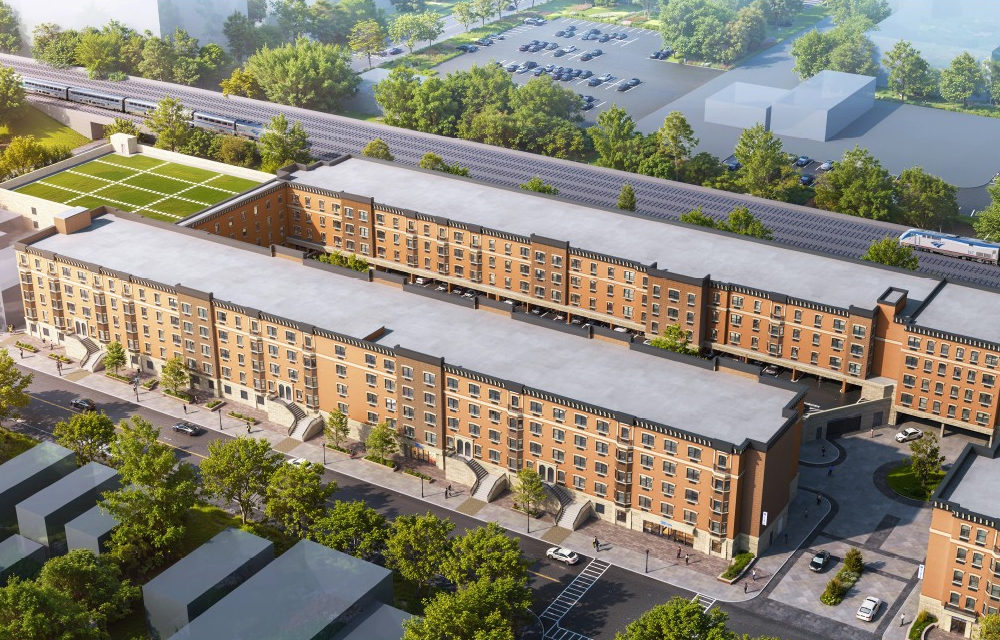
SCALE Lending issues $67.5 million construction loan for Meridia Rahway Brownstones Phase II
Rahway, NJ SCALE Lending has finalized a $67.5 million construction loan for Capodagli Property Company (Capodagli) for the development of Meridia Rahway Brownstones Phase II, a five-story multifamily building.

 (2).gif)

.jpg)

