



News:
Construction Design & Engineering
Posted: May 19, 2020
Landmarks preservation and the economy during COVID-19 - by Virginia Trunkes

Last month, the NYC Landmarks Preservation Commission (LPC) resumed its public hearings since the issuance of the emergency orders stemming from the COVID-19 public health crisis. The agency is holding these hearings using the Zoom teleconferencing platform, during which the public can participate by following the instructions: https://www1.nyc.gov/site/lpc/hearings/hearings.page.
Also last month, the LPC celebrated its 55th anniversary. While we can easily celebrate the agency’s use of virtual conferencing and its willingness to improvise, not all property owners and developers embrace the LPC. Many object to government restrictions on their properties.
Some objectors may also question the economics of maintaining preservation standards during a time of apparent economic disruption. Yet, that very issue was examined comprehensively following the 50th anniversary of the NYC Landmarks Law. In April 2016, the New York Landmarks Conservancy systematically evaluated the impacts of historic preservation in New York, including a quantification of historic preservation’s contributions to the economy, in its report, “Historic Preservation: At the Core of a Dynamic New York City.”
 The Conservancy’s analysis resulted in some interesting findings:
- More than $800 million is invested annually in New York’s historic buildings, creating jobs for 9,000 New Yorkers and providing paychecks of over $500 million each year.
- Work on buildings in historic districts remained stable, providing good jobs in tough times, when new construction in the city crashed during the Great Recession.
- Both historic office and apartment buildings use significantly less energy per s/f than their more recently built competitors.
- The creative industries are a rapidly growing and vital component of New York’s economy, and jobs in those industries are disproportionately found in historic districts.
- Jobs at small firms and start-up firms constitute a greater share of employment in historic districts than the city as a whole.
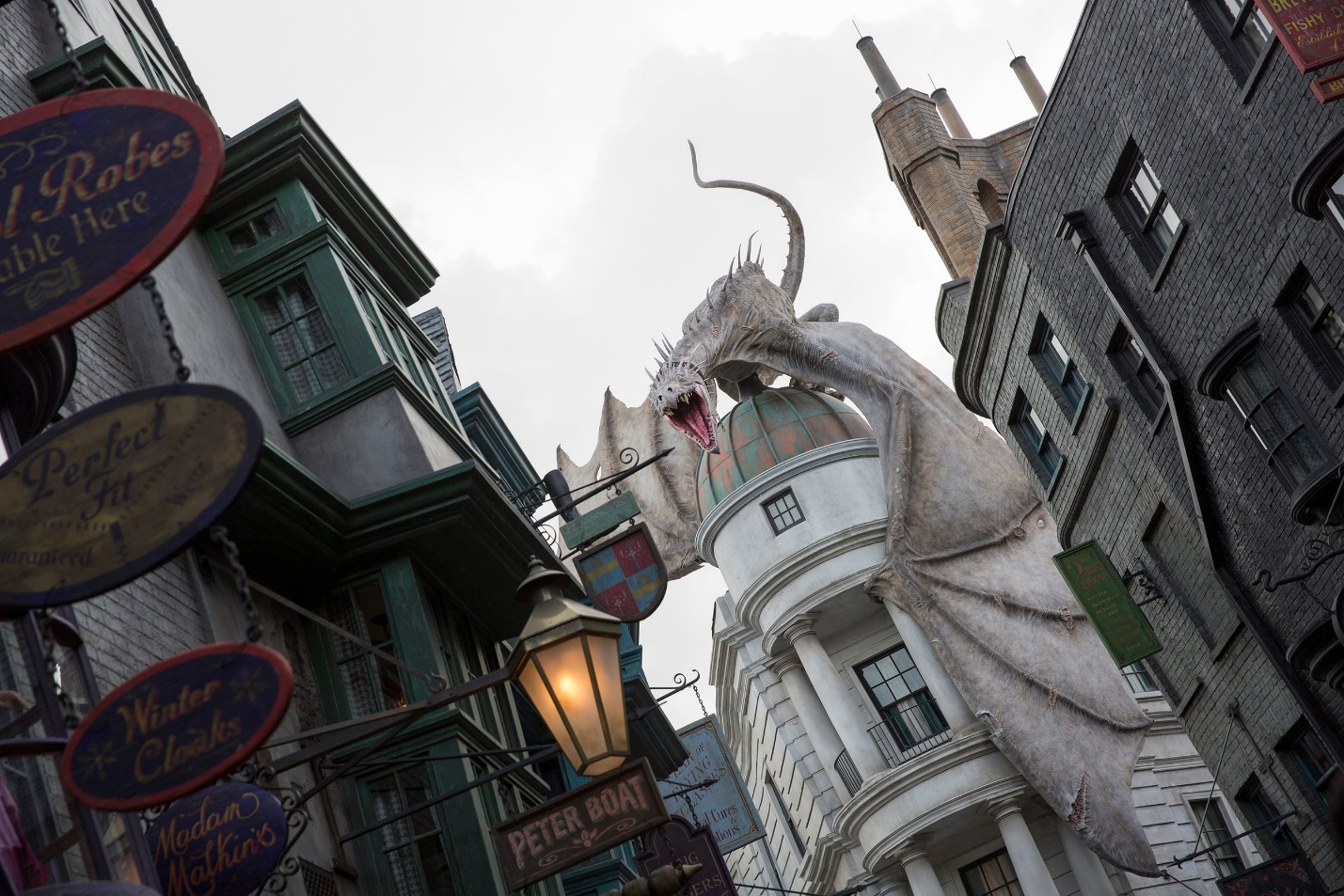
One other tidbit published in the report is that “[o]f the 13,000 applications the Landmarks Preservation Commission receives in a typical year, 95% are resolved at staff level and less than 3/10 of 1% are ultimately denied.” Now if only Manhattan Community Board 5’s landmarks committee would have granted design firm Studio Superette’s request to add a fiberglass dragon, two backlit Harry Potter signs and six “wand-style” flagpoles made out of antique brass to the exterior of the landmarked six-story Italianate brownstone at 935 Broadway. Then we could have really gauged the Commission’s receptiveness to new applications.
Virginia Trunkes is counsel at Robinson +Cole, New York, N.Y.
MORE FROM Construction Design & Engineering
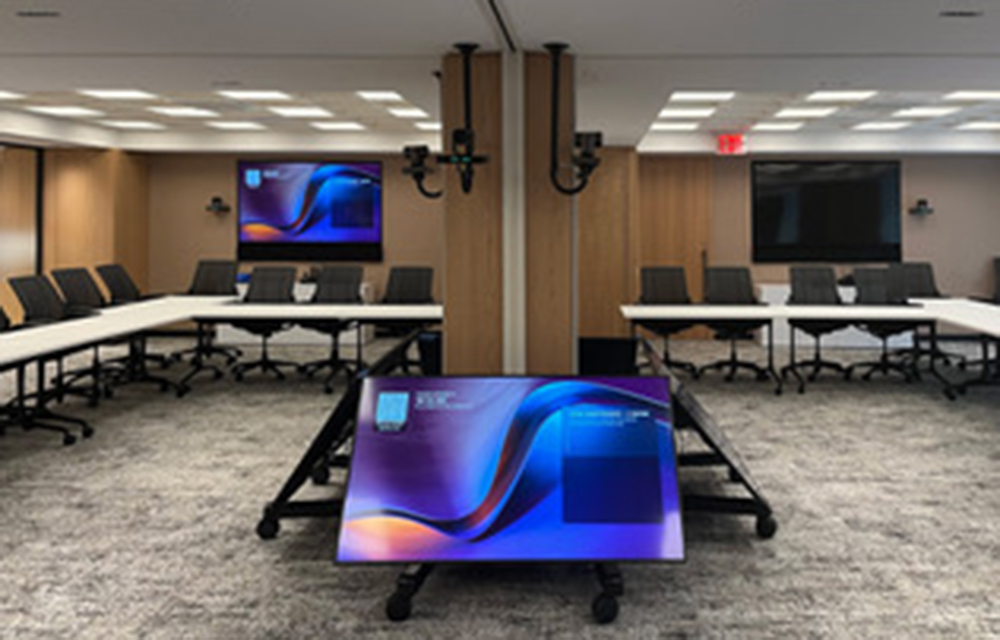
Kajima Building & Design Group completes workplace renovation for Marubeni America Corp. at 90 Park Ave.
Manhattan, NY Kajima Building & Design Group (KBDG) has completed a 1,500 s/f workplace renovation for Marubeni America Corp. at 90 Park Ave. in Midtown, renovating interior workspace designed to support both


Quick Hits


Columns and Thought Leadership

Premium experiences, proven returns: The New revenue playbook for sports venues - by Terry McIntyre
Investing in the Fan Experience as a Revenue Strategy The sports and entertainment venues that bet on premium experiences years ago are now seeing those investments pay off in packed seats, increased revenue, and industry recognition.

We support green construction. Just not this kind - by Tammy Smith
Most people think of St. Patrick’s Day as a fun footnote on the calendar. In construction logistics, however, it’s a full-scale operational variable — especially if your work touches major metro areas with major parades and, let’s call it what it is, enthusiastic celebrants.
