



News:
Spotlight Content
Posted: October 27, 2014
LaMarca of Massey Knakal discusses first job experience
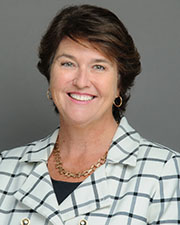
Name: Gia LaMarca
Title: Partner, Senior Vice President of Human Resources
Company Name: Massey Knakal Realty Services
Years in Commercial Real Estate: 15
In the last 12 months, which project, transaction, honor or accomplishment are you most proud of and why?
Being named the second female Partner in the history of the company. It was an honor to be recognized for my efforts and contributions to the firm's growth and success.
What were your biggest fears when you started out in your profession?
I vividly remember being offered the opportunity and as exciting as the prospect was, I was apprehensive of how I would handle the responsibility of starting a department for the company while managing a full-time academic schedule. This, on top of being an economics major with no prior human resources / recruiting experience, would be a challenge. It was a year of working around the clock to sustain both successfully but it was well worth it.
What was your first job and what did you learn from it?
My first real job was a summer internship with a major publishing/advertising company. The head of the team thought I was right out of college when, in fact, I was in high school which she learned my last day. That said, the workload and tasks were challenging and I quickly learned you needed to try to problem solve on your own and couldn't do so without possessing focus and a strong work ethic. The head of the department and her entire team were females who instilled discipline, drive, and the importance of working as a team towards a common goal.
What are you doing differently in 2014 that has had positive impact on your career?
Expanding our HR Team. For the past 9 years, the team consisted of only two full-time staff with part-time support. In 2014, we doubled the size of the team, adding two more full-time members and extra part-time assistance. We intend on bringing two additional full-time members by year end. With over 200 employees, further developing the department was critical to maintain the growth of the firm. It has made a major impact on hiring which is one of the firm's number one initiatives.
Tags:
Spotlight Content
MORE FROM Spotlight Content

2026 Women in Commercial Real Estate: Deborah Smith, The CenterCap Group
What leadership lesson has made the greatest impact on your career? Leadership isn’t about being the smartest person in the room; it’s about creating an environment where the best ideas win.



.png)

Quick Hits
 (2).gif)

Columns and Thought Leadership

Properly serving a lien law Section 59 Demand - by Bret McCabe
Many attorneys operating within the construction space are familiar with the provisions of New York Lien Law, which allow for the discharge of a Mechanic’s Lien in the event the lienor does not commence an action to enforce following the service of a “Section 59 Demand”.

CRE Guide Featured Company: Merritt Environmental Consulting Corp.
Merritt Environmental Consulting Corp. (MECC) was established in June of 2009 after being part of a larger engineering firm for almost 20 years. The focus of the company is to assist lending institutions, attorneys, real estate investors, and property owners with environmental concerns. Today, MECC has offices in New York, Florida, and Vermont and has grown into a regional consulting firm serving clients along the East Coast.

From vacancy to vitality: How adaptive reuse is reshaping Long Island’s CRE landscape - by Andrea Tsoukalas Curto
Adaptive reuse has become one of the most important conversations in commercial real estate today. Long Island has a large inventory of aging retail, office and industrial

2026 Developing Queens: Long Island Board of Realtors advances commercial growth and advocacy in Queens
The Long Island Board of Realtors (LIBOR) Commercial Network continues to play a key role in advancing opportunities and strengthening the commercial real estate landscape across Queens. Through targeted programming and global outreach
September Promotion
