


 (2).gif)
News:
Spotlight Content
Posted: December 26, 2011
Kathleen Giamo of The Giamo Group
What are your predictions for commercial real estate in 2012?
I look back on the commercial real estate industry in the '80s and the '90s. Each time we were the last to go down in rough cycle's and the first to come backup. I feel that the Presidential election will have an effect on getting things going. Uncertainty, is a definite cause for caution on the part of corporate tenants. With a knowledge that we have at least a four-year term to start fresh a feeling of optimism fuels growth.
At least that has been the lessons of the past.
What was your greatest professional accomplishment in 2011?
My own personal accomplishment was bringing the newest office location Rubie Corporate Plaza in Melville, up to 50% leased within 6 months of completion. In this market the competition is extremely tough but a trophy property attracts the attention of image minded companies so that certainly was instrumental. I am most proud to say that both the Landlord and the tenant were happy at the end of the negotiations!
What was your most notable project, deal or transaction in 2011?
Leasing the entire second floor of Rubie's to Northwestern Mutual Insurance Company. The company looked at many alternate locations out of Suffolk County. But, we were able to keep them in Suffolk and offer the environment that will assist them to attrace the best sales force in their industry. They are here for the long term and will be a major presence in the Route 110 corridor.
What are your resolutions for 2012?
I would like to work on finding the solutions to making Long Island a place where the young want to stay. Not just housing but lifestyle as I believe that the reason they leave is more than just a roof over their head! And, time with my grandaughter Gianna is the priority for 2012 for me!
Tags:
Spotlight Content
MORE FROM Spotlight Content

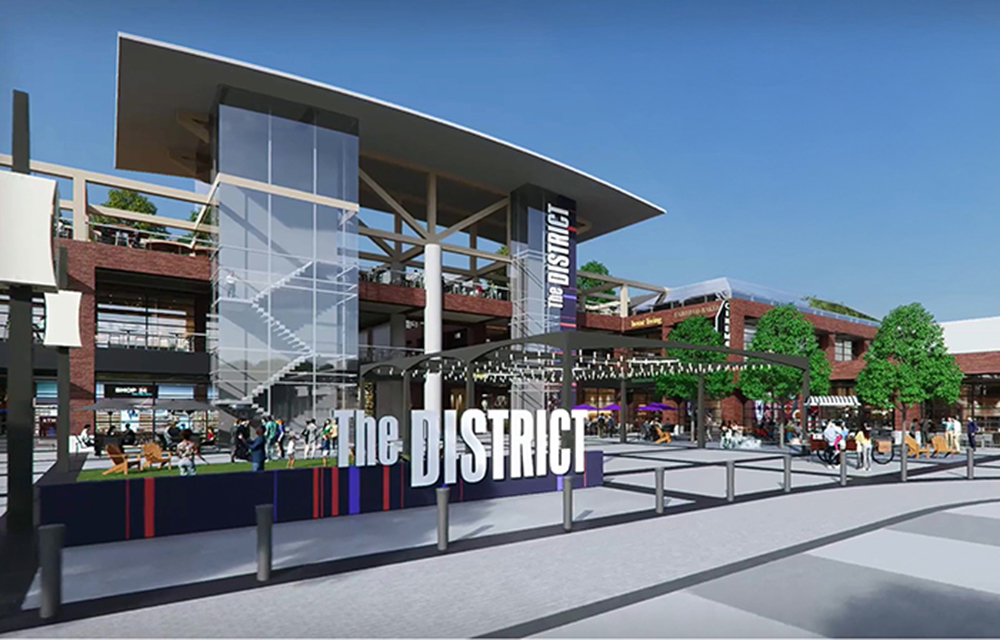
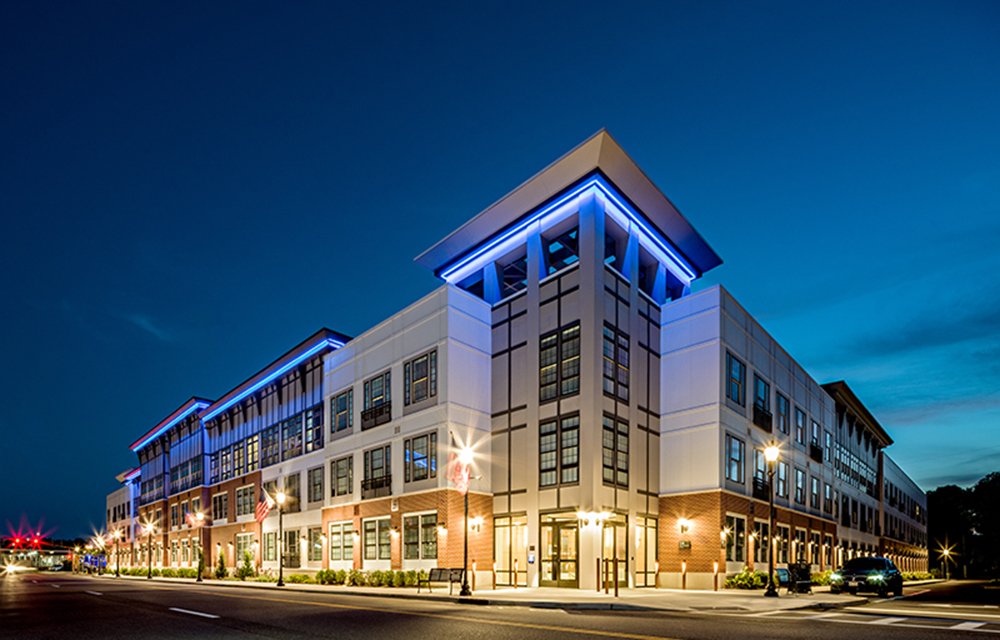
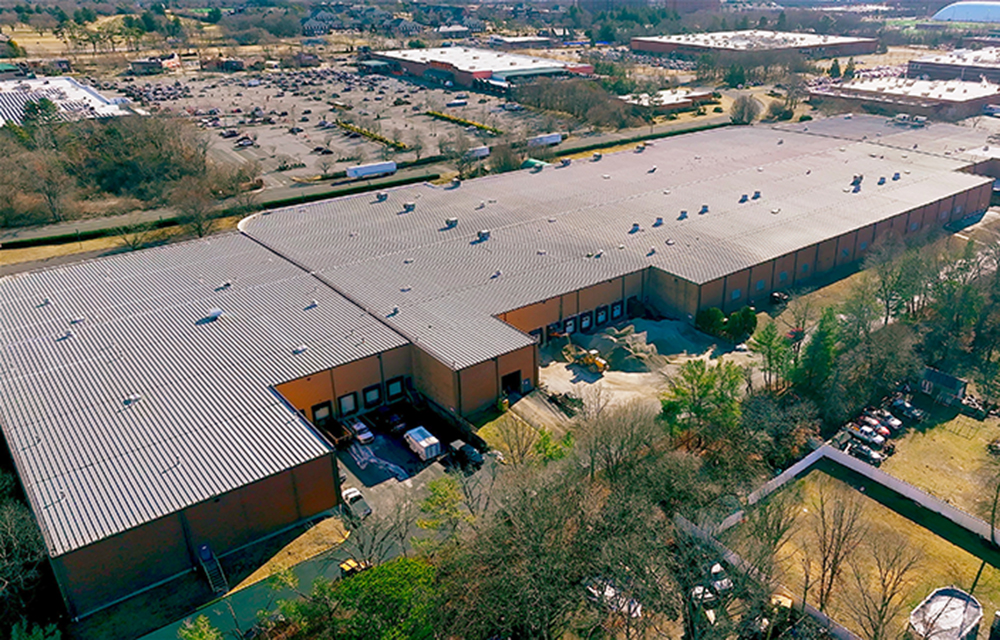
NYREJ's 2026 Developing Long Island Spotlight is here!
This spotlight showcases projects completed and currently under construction across Long Island as well as highlights improvements made to the region through Industrial and Economic Development Agencies and BIDs.

.png)

 (2).gif)

Columns and Thought Leadership

2026 Developing Queens: Long Island Board of Realtors advances commercial growth and advocacy in Queens
The Long Island Board of Realtors (LIBOR) Commercial Network continues to play a key role in advancing opportunities and strengthening the commercial real estate landscape across Queens. Through targeted programming and global outreach

Properly serving a lien law Section 59 Demand - by Bret McCabe
Many attorneys operating within the construction space are familiar with the provisions of New York Lien Law, which allow for the discharge of a Mechanic’s Lien in the event the lienor does not commence an action to enforce following the service of a “Section 59 Demand”.

CRE Guide Featured Company: Merritt Environmental Consulting Corp.
Merritt Environmental Consulting Corp. (MECC) was established in June of 2009 after being part of a larger engineering firm for almost 20 years. The focus of the company is to assist lending institutions, attorneys, real estate investors, and property owners with environmental concerns. Today, MECC has offices in New York, Florida, and Vermont and has grown into a regional consulting firm serving clients along the East Coast.

From vacancy to vitality: How adaptive reuse is reshaping Long Island’s CRE landscape - by Andrea Tsoukalas Curto
Adaptive reuse has become one of the most important conversations in commercial real estate today. Long Island has a large inventory of aging retail, office and industrial
September Promotion
