


 (2).gif)
News:
Spotlight Content
Posted: December 22, 2020
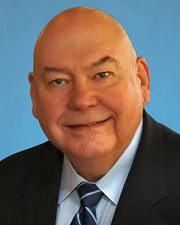
Karen Rodgers, Esq., Vantage Point Capital, LLC
 Name: Karen Rodgers, Esq.
Title: Senior Vice President and Chief Legal Counsel
Company Name: Vantage Point Capital, LLC
What was your most notable project, deal, or transaction in 2020?
My most notable transaction of 2020 is the impending multistate acquisition of healthcare related real properties and ancillary assets involving both HUD and bridge to HUD financing and a private and institutional capital stack. The transaction, when completed will include the triple net leasing of those assets to a third-party operator and the restructuring of its internal operational debt.
What are your predictions for commercial real estate in 2021?
I suspect a multitude of space consolidations, tenant work-outs and significant refinancings will dominate the 2021 market as the long-term effects of the pandemic permeate the industry.
What was the most challenging part of working during the pandemic?
Remaining focused was by far the most challenging part. I was involved in a number of transactions relating to skilled nursing facilities both early on and deeper into the pandemic. Recording offices closed, lien searches were rendered impossible, site visits were prohibited and the level of despair was overwhelming. Staying the course and seeing the transactions through to completion, knowing that the skilled nursing industry was suffering immeasurable pain, was incredibly difficult during such dark times.
What was your greatest professional accomplishment in 2020?
This year I transitioned from a partner/director at a mid-sized New York law firm where I had been practicing law for nearly 18 years to my current role as chief legal counsel to a private equity and asset management group with portfolios of real property used for skilled nursing facilities. The plethora of issues that the pandemic presented in the skilled nursing arena and the notable impact on those real property assets has proven both challenging and rewarding. I am honored to have partnered with operators providing such essential services during such a trying time.
Tags:
Spotlight Content
MORE FROM Spotlight Content

Participate in Developing New York Featuring Westchester County - November 24, 2026
Choose how you’d like to participate in this edition of NYREJ’s Developing New York series featuring Westchester County.



.png)

Quick Hits
 (2).gif)

Columns and Thought Leadership

CRE Guide Featured Company: Merritt Environmental Consulting Corp.
Merritt Environmental Consulting Corp. (MECC) was established in June of 2009 after being part of a larger engineering firm for almost 20 years. The focus of the company is to assist lending institutions, attorneys, real estate investors, and property owners with environmental concerns. Today, MECC has offices in New York, Florida, and Vermont and has grown into a regional consulting firm serving clients along the East Coast.

From vacancy to vitality: How adaptive reuse is reshaping Long Island’s CRE landscape - by Andrea Tsoukalas Curto
Adaptive reuse has become one of the most important conversations in commercial real estate today. Long Island has a large inventory of aging retail, office and industrial

2026 Developing Queens: Long Island Board of Realtors advances commercial growth and advocacy in Queens
The Long Island Board of Realtors (LIBOR) Commercial Network continues to play a key role in advancing opportunities and strengthening the commercial real estate landscape across Queens. Through targeted programming and global outreach

2026 Developing Long Island: ERG Commercial Real Estate launches its new Retail Leasing division
North Hempstead, NY ERG Retail Leasing is the dedicated leasing division of ERG Commercial Real Estate, an established full-service commercial real estate brokerage for over 35 years.