



News:
Brokerage
Posted: October 31, 2023
JLL Capital Markets arranges $72.5 million construction loan for multi-housing
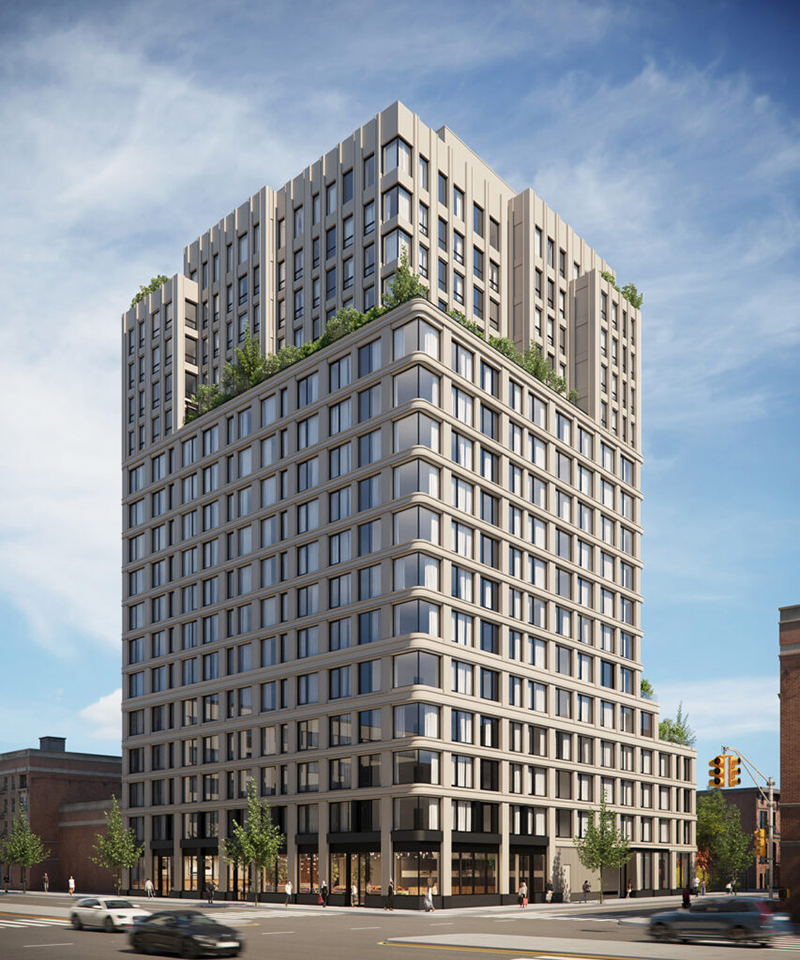
Brooklyn, NY JLL Capital Markets has arranged $72.5 million in construction financing for 544 Carroll St., a 17-story ground-up class A multi-housing development in the Gowanus neighborhood.
JLL worked on behalf of the borrower, developer Avery Hall, and its joint venture partners, Declaration Partners and Bridge Investment Group through their Qualified Opportunity Zone vehicle. The construction loan was secured through TD Bank.
Scheduled for completion in Q4 of 2025, the mid-rise project will be comprised of 133-units, of which 25% will be allocated towards affordable housing. Apartments will average 973 s/f, which is larger than other developments and atypical of new construction in Gowanus. The property will also feature amenities to accommodate its curated unit mix, such as its rooftop lounge, fitness center, and event space.
Located within the “15-minute” submarket along the 4th Ave. corridor, 544 Carroll St. is two blocks east of the Gowanus Canal Waterfront with an esplanade underway, and proximate to Washington and Prospect parks. It is also adjacent to Whole Foods Market and one block from the dining and retail scene along 5th Ave.
Located in a Qualified Opportunity Zone near schools and the Smith St. retail corridor, 544 Carroll St. will be among the first new buildings to rise since 82 blocks of Gowanus were rezoned to accommodate demand for permanent affordable housing in a neighborhood with strong transit access.
The JLL debt and equity advisory team representing the borrower was led by senior managing director Christopher Peck and managing director Peter Rotchford.
“We are thrilled to complete another successful financing with Avery Hall as they bring more rental housing to Gowanus and contribute to a transformation that will create a thriving mixed-used community,” said Rotchford. This will be the third project that JLL has helped Avery Hall capitalize within the Gowanus neighborhood. Previous projects include 499 President St., which closed in April of 2023, and 204 4th Ave., which closed in May of 2023.
Brian Ezra, founding partner of Avery Hall, said, “As local developers, we are extremely proud of the work we have done to bring much-needed, beautiful new homes to Brooklyn. 544 Carroll St. continues our commitment to enhancing the Gowanus neighborhood and we are thankful to be working with experienced partners like Declaration Partners, Bridge Investment Group, TD Bank and JLL.”
Tags:
Brokerage
MORE FROM Brokerage
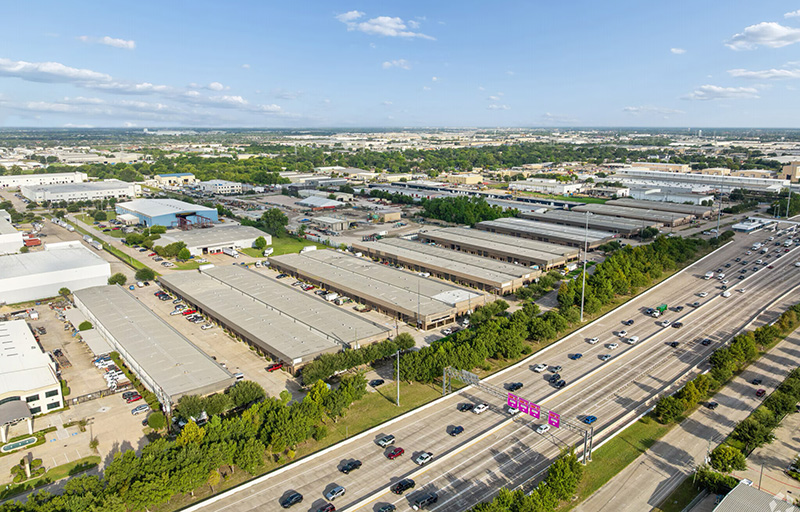
Simi Capital enters Texas with acquisition of 359,000 s/f small-bay industrial portfolio in Northwest Houston
Houston, TX Simi Capital acquired a three-property, 359,000 s/f small-bay industrial portfolio. The transaction, completed in a joint venture with Decker Capital, marks Simi



Columns and Thought Leadership

New York’s streets are full again, and the retail numbers prove it - by Noam Aziz
Walk down any New York block this year and you can feel it. The sidewalks are crowded, the storefronts are lit, and the energy that defines this city is back at full volume.

A guide to finding the right NYC property management company - by Sanjay Gandhi
Being a small to midsize landlord in NYC is an increasingly demanding endeavor. From navigating complex regulations, increased compliance demands to dealing with tenant issues and remediating violations. It is wise to enlist the assistance of a partner, a professional

Hunt commercial real estate question and answer: Fortune 500 wisdom - by David Hunt
Yes, there are lessons to be learned from the largest companies in America when comes to managing your real estate. But the decision to buy or lease real estate may not be one of

Hunt CRE question and answer: Choosing a real estate agent - by David Hunt
First, we will only work with one agent exclusively. The primary reason is that we want that agent to legally represent our client’s interests. In New York State, a real estate agent has a fiduciary
.gif)