



News:
Brokerage
Posted: September 21, 2021
The last gasp of creative tenant claims - by Thomas Kearns

After a few isolated favorable initial rulings, recent court rulings involving retailers’ claims for rent abatement for lost business due to COVID-19 appear to have firmly closed the door to creative claims that tenants were somehow relieved of the obligation to pay rent during the pandemic. Courts are now virtually unanimous in confirming longstanding New York law that unless there is a specific lease clause granting a rent abatement, tenants must pay the required rent.
Similarly, a significant majority of court decisions in New York regarding claims made by insured landlords or tenants under business interruption insurance have also failed based on specific insurance policy disclaimers.
It reminds me of the height of the recession of 2008 when several clients asked us to sue construction lenders who had stopped funding construction loans on alleged technicalities. Time after time, we reviewed the facts and told the client, no – New York law did not permit “good faith” or “frustration of the purpose” or similar vague claims against lenders. Several of those clients went to another real estate litigation firm. Court decisions over the following year or two confirmed our initial advice—the decisions overwhelmingly rejected those claims.
While history of the law has many court decisions that changed precedent, the more jaded among us view these suits as weak attempts to gain leverage over a counter-party where none otherwise exists.
So what can a tenant do? Non-credit tenants whose businesses were damaged during the pandemic can use the leverage obtained by the so-called “good-guy” guaranty. As a landlord’s attorney, the most effective call I received during the pandemic was from a tenant’s lawyer who said: “Unless the landlord grants some rent relief, my client will go out of business and deliver the keys to get off the good guy guaranty.” The prospect of suing a defaulting and struggling small business caused my client to negotiate a rent forbearance.
Credit tenants have leverage also. A landlord might want a lease extension exercised or other accommodation in exchange for rent relief. Credit tenant leases often include generous sublease rights which, while cumbersome and often signed at lower rents, might cause the landlord to re-think a refusal of some forbearance or waiver.
Meanwhile I will continue to review ongoing court decisions and marvel at the creative but ultimately losing arguments made in the name of parties who are stretching the limits of New York law to recoup pandemic damages.
Thomas Kearns is a partner with Olshan Frome Wolosky LLP’s real estate department, New York, N.Y.
Tags:
Brokerage
MORE FROM Brokerage
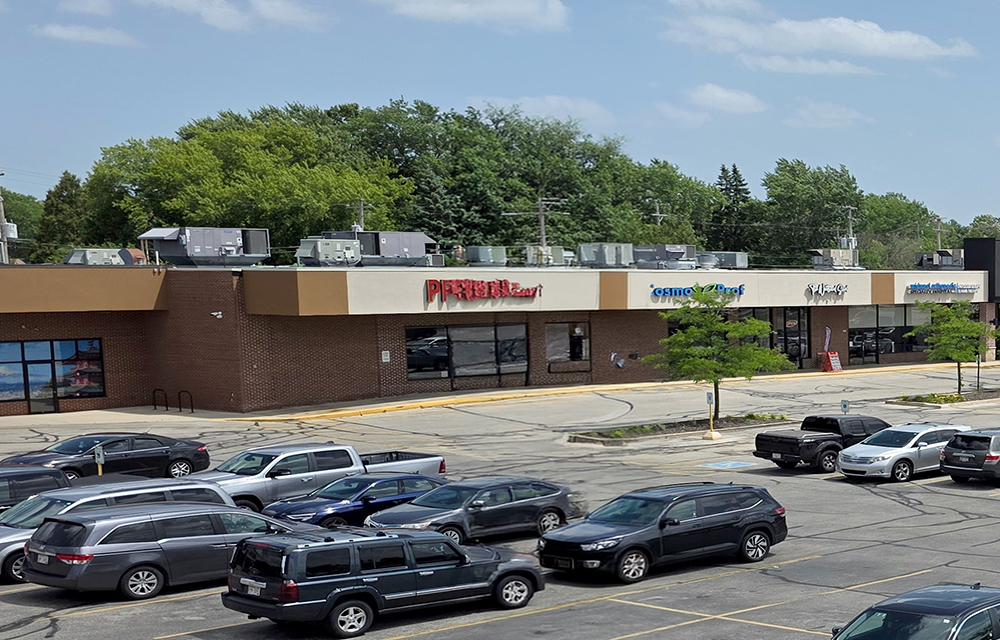
United Properties Corp. expands Wisconsin and Illinois retail presence adding 200,000 s/f
West Allis, WI United Properties Corp. completed two retail acquisitions totaling $27.4 million across Illinois and Wisconsin, adding 205,000 s/f of shopping center space to its portfolio


Quick Hits
 (2).gif)

Columns and Thought Leadership

Hunt commercial real estate question and answer: Fortune 500 wisdom - by David Hunt
Yes, there are lessons to be learned from the largest companies in America when comes to managing your real estate. But the decision to buy or lease real estate may not be one of

Positive forecast for New York’s pro-housing push? - by Philip Butler
New York’s housing crisis remains a hot button topic despite growing consensus that varied and affordable housing is desperately needed statewide. Governor Hochul has recently introduced several initiatives to overcome N.Y.’s anti-housing

A guide to finding the right NYC property management company - by Sanjay Gandhi
Being a small to midsize landlord in NYC is an increasingly demanding endeavor. From navigating complex regulations, increased compliance demands to dealing with tenant issues and remediating violations. It is wise to enlist the assistance of a partner, a professional

New York’s streets are full again, and the retail numbers prove it - by Noam Aziz
Walk down any New York block this year and you can feel it. The sidewalks are crowded, the storefronts are lit, and the energy that defines this city is back at full volume.
.gif)