



News:
Brokerage
Posted: April 30, 2024
The impact of rent regulation - by Robert Khodadadian

For landlords, the playbook had long been simple and lucrative: buy run-down buildings that are, in New York lingo, rent-stabilized, fix them up, pass along the expense to tenants by raising rents (allowed under the regulations), cash out, and repeat. Once rents approached $2,800 a month, owners could charge what the market would bear, turning the apartments into potential gold mines.
New York has had some form of rent regulation since 1969. However, in 2019, New York state lawmakers rewrote the rules, reducing how much landlords could raise rents after renovations. More importantly, the apartments no longer leave the program when rents rise high enough, leaving property owners to now face the dilemma of investing in aging units without the certainty of recouping these investments through rents. Essentially, this recalibrated the balance of power between landlords and tenants.
As a result, the New York City rental market has undergone a seismic shift in recent years. Last year, buildings with at least one rent-stabilized apartment sold on average for $203,000 a unit, down 34% since 2019. Despite these challenges, investor interest in rent-stabilized properties persists, albeit at discounted prices compared to pre-regulation valuations.
The recent sale of Sentinel’s portfolio of 24 properties totaling 1.2 million s/f for $180 million — a significant drop from its original price of nearly $300 million — exemplifies this trend. Sales such as 658 W 188th St. (bought for $23.1 million in 2015 and sold for $10.7 million in 2023), 519 W 143rd St. (bought for $9.3 million in 2016 and sold for $3.8 million in 2023), or the recent transaction involving 120 and 125 Riverside Dr., which sold to Aya Acquisitions at a 64% discount from the previous purchase price, illustrate the multifaceted nature of the market response to regulatory changes.
As landlords and investors navigate the intricacies of New York City’s rent stabilization laws, the debate over the financial viability of rent-stabilized properties continues. The real estate landscape in New York City is ever- evolving, shaped by a myriad of factors, from regulatory reforms to shifting investor preferences. Understanding these dynamics is essential for stakeholders seeking to navigate the complexities of this dynamic market.
Robert Khodadadian is a commercial real estate broker with Skyline Properties, Manhattan, NY.
Tags:
Brokerage
MORE FROM Brokerage
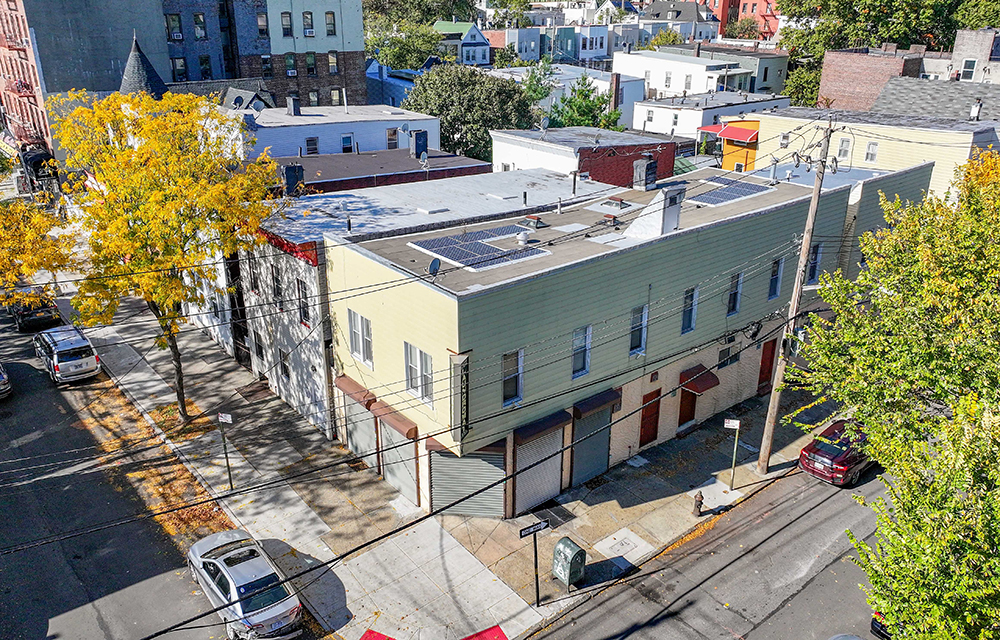
Investment Property Realty Group’s Team Friedman closes five Bronx sales totaling $5.3 million
Bronx, NY Investment Property Realty Group’s (IPRG) Team Friedman closed five sales totaling $5.3 million in the month of September. • 1707 Melville St. sold for $1.35 million. Located in Van Nest, the property



 (2).gif)

Columns and Thought Leadership

New York’s streets are full again, and the retail numbers prove it - by Noam Aziz
Walk down any New York block this year and you can feel it. The sidewalks are crowded, the storefronts are lit, and the energy that defines this city is back at full volume.

A guide to finding the right NYC property management company - by Sanjay Gandhi
Being a small to midsize landlord in NYC is an increasingly demanding endeavor. From navigating complex regulations, increased compliance demands to dealing with tenant issues and remediating violations. It is wise to enlist the assistance of a partner, a professional

Hunt commercial real estate question and answer: Fortune 500 wisdom - by David Hunt
Yes, there are lessons to be learned from the largest companies in America when comes to managing your real estate. But the decision to buy or lease real estate may not be one of

Positive forecast for New York’s pro-housing push? - by Philip Butler
New York’s housing crisis remains a hot button topic despite growing consensus that varied and affordable housing is desperately needed statewide. Governor Hochul has recently introduced several initiatives to overcome N.Y.’s anti-housing
.gif)
September Promotion
