



News:
Brokerage
Posted: October 18, 2016
The adaptive reuse of big box buildings - by Nick Malagisi
 Nicholas Malagisi, Sperry Van Ness
It is no longer, “The best kept secret in real estate,” according to Jeffrey Shouse, national director of self storage appraisal for Colliers International. In his latest industry newsletter, Shouse states“ Comparing overall returns on a five and ten-year basis, self storage has outperformed apts, retail, industrial & office investments...”
While self storage remains a niche asset class among the property types, institutional money is finding its way into the sector. One impact of the Great Recession was a stifling of new development for the past five to six years. The “Mom & Pop” developers of the industry are now cashing in and being replaced by experienced “Merchant Builders” who understand the development process and can construct a new project or renovate an existing building, and either deliver it to an established operator or, stay in the deal as a JV partner. Merchant Builders no longer have to wait three to four years for the facility to achieve stabilization to receive a return on their initial capital. They are delivering “Certificate of Occupancy” deals to the publicly traded companies, as well as to larger operators who have access to equity partners. With cap rates as low as they are right now, the larger operators able to shorten the traditional lease up period from 36 to 24 months because of their internet analytics prowess.
The properties I encourage you to look at are “functionally obsolete” buildings that can no longer be used for their originally intended purpose or they may be older structures released from a fund or company that has had a change in corporate direction and no longer has a need for that particular property/location.
Owners now have other options for their existing vacant, fully depreciated or under performing properties. An owner can “contribute” his property into a new JV with an established self storage operator who can redevelop the property into an income producing asset. The owner of the property can choose to stay in the joint venture until the end of the construction while the JV partner obtains the C of O; remain in the JV until the property has gone through the lease-up phase (two to three years) and stabilizes; or remain in the deal until the next re-financing and/or sale of the asset.
We can’t take any old industrial bldg or vacant retail center and redevelop it into a self storage. A bldg of 300-400,000 s/f is just as unacceptable as a bldg that is tucked away in an industrial park with heavy industry or manufacturing. Self storage requires a site that may be zoned industrial, but has a “retail” presence.
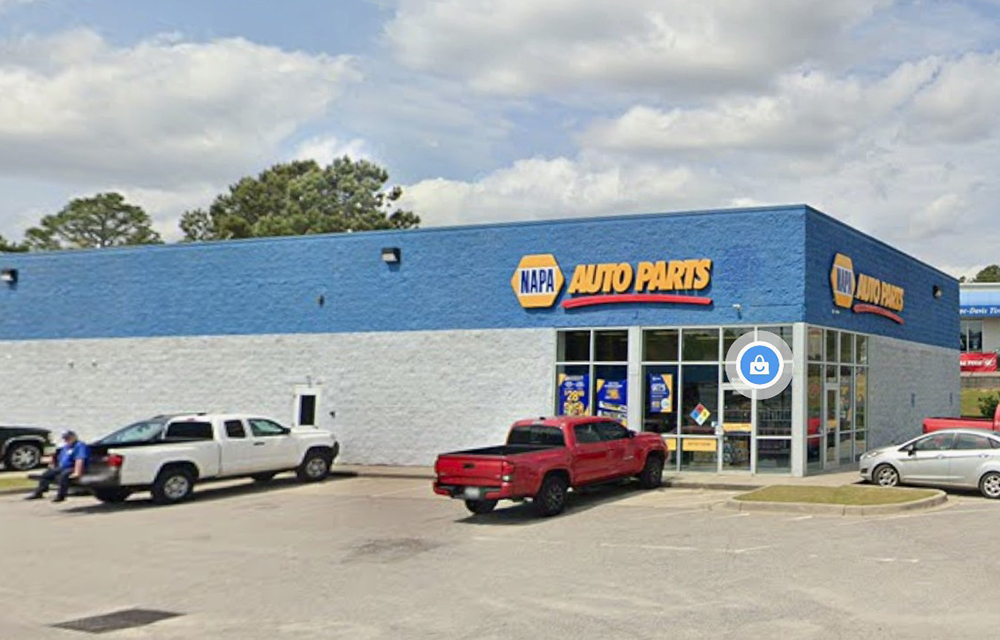
The most obvious retail adaptive reuse example is a vacant free-standing big box retail store that has seen better days. Many of these stores have been replaced in the same/nearby market with larger, improved super stores or abandoned the market entirely. Once deserted, these stores can become an eye sore for a community: graffiti, broken windows, weeds, etc. What better opportunity than this for the self storage developer who recognizes the opportunity to create an in-fill location in a neighborhood that was previously restricted to him either due to a lack of land or an available structure.
Self storage may not be the first thought on the part of a listing broker with a vacant building, but the talented merchant builder is looking for these types of opportunities to re-purpose for self storage. Time to think outside of the box!
Nicholas Malagisi, SIOR, is the national director self storage at SVN Commercial Real Estate Advisors, Buffalo, N.Y.
Tags:
Brokerage
MORE FROM Brokerage

Adirondack Capital Partners arranges $45 million sale of West Chelsea development site to Toll Brothers
Manhattan, NY Adirondack Capital Partners (ACP) closed the $45 million sale of 126/128 Tenth Ave. and 456 W. 18th St. to Toll Brothers City Living. The acquisition forms part of a broader





Quick Hits
 (2).gif)

Columns and Thought Leadership

Positive forecast for New York’s pro-housing push? - by Philip Butler
New York’s housing crisis remains a hot button topic despite growing consensus that varied and affordable housing is desperately needed statewide. Governor Hochul has recently introduced several initiatives to overcome N.Y.’s anti-housing

Hunt commercial real estate question and answer: Fortune 500 wisdom - by David Hunt
Yes, there are lessons to be learned from the largest companies in America when comes to managing your real estate. But the decision to buy or lease real estate may not be one of

New York’s streets are full again, and the retail numbers prove it - by Noam Aziz
Walk down any New York block this year and you can feel it. The sidewalks are crowded, the storefronts are lit, and the energy that defines this city is back at full volume.

A guide to finding the right NYC property management company - by Sanjay Gandhi
Being a small to midsize landlord in NYC is an increasingly demanding endeavor. From navigating complex regulations, increased compliance demands to dealing with tenant issues and remediating violations. It is wise to enlist the assistance of a partner, a professional
.gif)