



News:
Brokerage
Posted: March 24, 2020
Owner’s right to access an adjacent property under construction - by Raymond Castronovo

During any construction project, there often arises a need for construction activities to encroach upon an adjacent property. In fact, local building codes often require the owner of a construction project to protect and safeguard persons and property on adjacent property during certain construction activities. While the scope and degree of needed access varies–in order to avoid an unlawful trespass–the owner of a construction project is required to obtain a license before entering upon the adjacent property.
Initially, there should be discussions with an adjacent property to negotiate a license agreement. If the parties can amicably agree on the terms of a license, including but not limited to the scope of work, insurance and indemnification requirements and reasonable reimbursement for other costs and expenses incurred or to be incurred by the adjacent owner, judicial intervention is not necessary.
However, when a license agreement cannot be reached voluntarily, the owner or contractor of a construction project may petition the court for a judicial license pursuant to RPAPL § 881. The grant of a judicial license is left to the sound discretion of the court. The court will apply a standard of reasonableness and balance the burden on the project owner if the license is withheld against the inconvenience to the adjoining owner if the license is granted.
The factors which the court considers include:
- The nature and extent of the requested access;
- The duration of the access;
- The protections to the adjoining property that are needed;
- The lack of an alternative means to perform the work;
- The public interest in the completion of the project; and
- The measures in place to ensure the financial compensation of the adjoining owner for any damage or inconvenience resulting from the intrusion.
In order to avoid any needless delays to ongoing construction work, it is imperative that every project owner and contractor assess the need for access to adjacent property, and take appropriate steps to secure a license, at the very inception of the project.
Raymond Castronovo is a construction & litigation associate at Forchelli Deegan Terrana LLP, Uniondale, N.Y.
Tags:
Brokerage
MORE FROM Brokerage

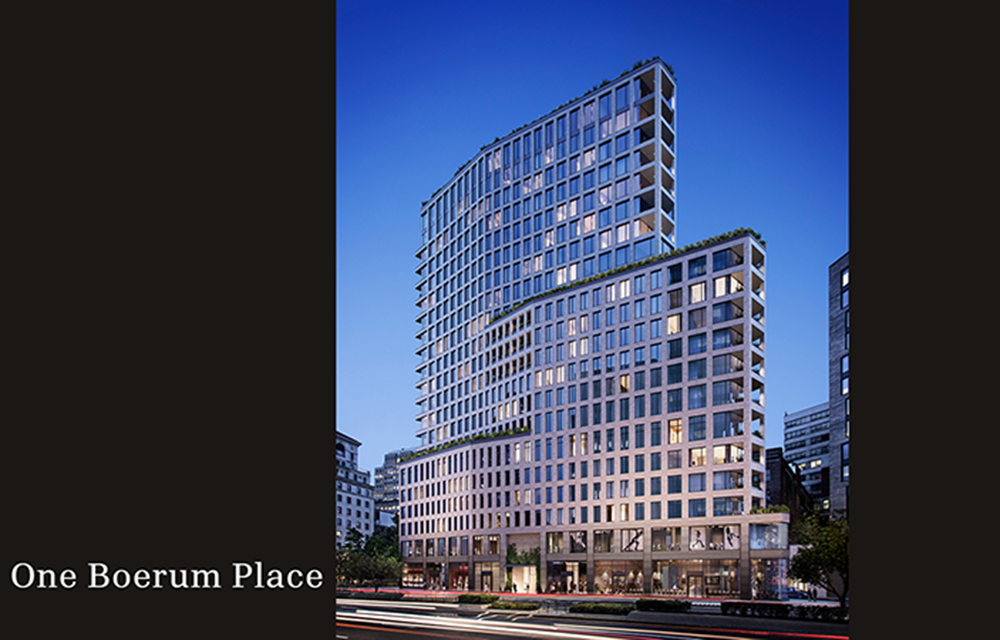
200E20TH sells out in Gramercy, penthouse A closes out sales at the CetraRuddy-designed condominium residences
Manhattan, NY 200E20TH, the CetraRuddy-designed architectural masterwork that brought a curved, contemporary sensibility to Gramercy’s Beaux-Arts streetscape, has


Columns and Thought Leadership

The art of investing in real estate - by Thomas Donovan
Real estate investing is as much an art as it is a skill. No one can time the market, or the factors that drive it, perfectly. Location, zoning, size, transportation, and neighborhood density give you a baseline for

New York’s streets are full again, and the retail numbers prove it - by Noam Aziz
Walk down any New York block this year and you can feel it. The sidewalks are crowded, the storefronts are lit, and the energy that defines this city is back at full volume.

Hunt commercial real estate question and answer: Fortune 500 wisdom - by David Hunt
Yes, there are lessons to be learned from the largest companies in America when comes to managing your real estate. But the decision to buy or lease real estate may not be one of

Hunt CRE question and answer: Choosing a real estate agent - by David Hunt
First, we will only work with one agent exclusively. The primary reason is that we want that agent to legally represent our client’s interests. In New York State, a real estate agent has a fiduciary
.gif)