



News:
Brokerage
Posted: February 25, 2008
Negotiation tips for a commercial lease: Things to beware of and pitfalls to avoid
Great care is put into business planning - and one of the most important aspects of this planning is where you choose to locate your offices. There is much more associated with commercial leasing than the bottom line costs of entering the agreement and occupying the space. The written terms of a lease can be just as expensive as the costs themselves if not properly understood before you sign. Having an attorney present for the signing of any contractual agreement, including leasing, ensures your comprehension of the terms of the contract and will pay off down the road. The following are just some things to be aware of and pitfalls to avoid as you enter into a commercial lease.
First, be smart - actually read the lease before you sign it. And more importantly, make sure you understand it. Many people understand the bulk of the document - but leases often contain complicated legal language. So surprises don't come up once the lease is in affect, have the rest of it explained to you by an attorney.
Second, it is also a good idea to know what you, as a tenant, are required to do. Of course there is the obvious; you are required to make monthly payments in the amount agreed upon by you and the landlord. But, some leases go deeper than that and have provisions that must be met in addition to the monthly bill, such as added insurance, late fees and interest, and prompt tax payment. Talk to your prospective landlord about these possibilities.
The expenses involved in operating the space you are leasing can greatly add to the cost of the space if you are not careful up front. Where the lease payments are set for the term of the agreement, the costs of heating, cooling, plumbing, electricity and many other necessities can vary with time. Most leases pass these costs directly onto the tenant. It is in your best interest to seek a cap on this cost to prevent things from skyrocketing during the life of the lease. An experienced landlord should be able to estimate these costs and factor in annual increases if necessary.
Third, you should also be on the lookout for any attorney's fees that you may be held responsible for. It is possible that the lease contains an "attorney's fees" clause, which would mandate your payment of any of your landlord's legal fees for any problems that might occur during the term of the lease. These expenses can add up quickly, so seek removal of this clause, if it exists, or compromise with the change to a "prevailing party clause." Under this contractual provision the party that wins in an action is allowed to collect attorney's fees incurred for that action.
Fourth, as a tenant, you should also be aware of your right to sublet or assign the space should you need to move or other issues arise during the term of your lease. In many instances, where allowed, it would fall solely on the tenant to secure a sublet and the landlord would carry no responsibility for the action.
Lastly, as a final tip, consider adding a "buy out" clause into your lease. This provision will allow you, the tenant, to exit the lease early for an agreed-upon price. While this price may be high, sometimes around six months of payments, it can be preferential to months of late fees and interest should you run across some hard times.
These are just the tip of the iceberg. Knowing the ins and outs of any contractual agreement is full-time work, which is why it is wise to hire someone that does this work day in and day out, an attorney. As a third party to the lease agreement, an attorney can advise you on the best course of action or modification of any lease or contract you enter into. Take the time to get the necessary advice - it could save you a hassle in the end.
Greg Rinckey is the managing partner of Tully Rinckey PLLC, Albany, NY.
Tags:
Brokerage
MORE FROM Brokerage
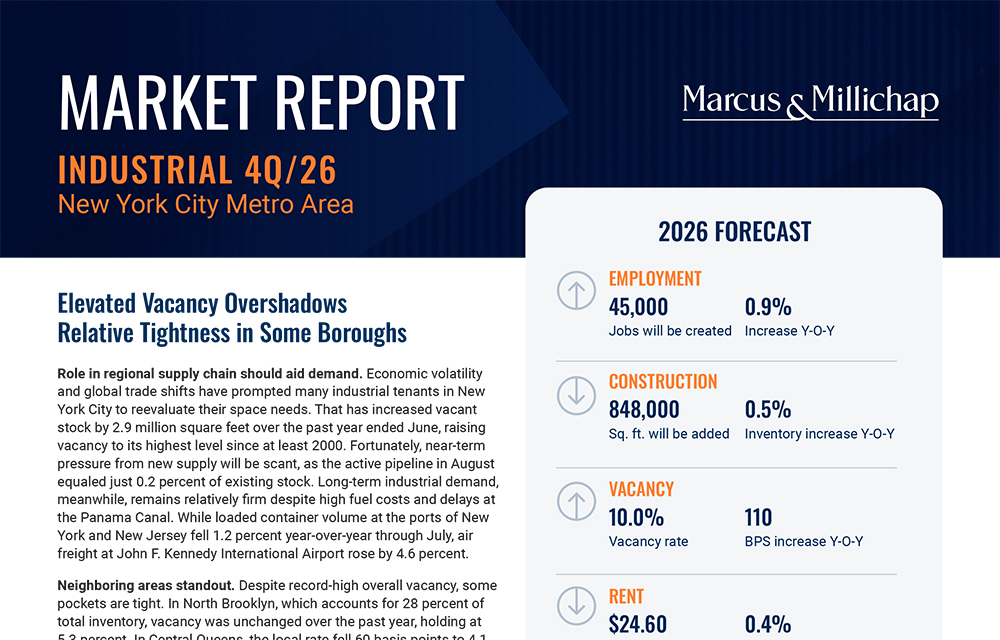
Marcus & Millichap releases fourth-quarter 2026 NYC industrial market report
Manhattan, NY Marcus & Millichap has published its fourth-quarter 2026 New York City Industrial Market Report. “New York City’s industrial market is showing a clear







Columns and Thought Leadership

New York’s streets are full again, and the retail numbers prove it - by Noam Aziz
Walk down any New York block this year and you can feel it. The sidewalks are crowded, the storefronts are lit, and the energy that defines this city is back at full volume.

The art of investing in real estate - by Thomas Donovan
Real estate investing is as much an art as it is a skill. No one can time the market, or the factors that drive it, perfectly. Location, zoning, size, transportation, and neighborhood density give you a baseline for

Hunt commercial real estate question and answer: Fortune 500 wisdom - by David Hunt
Yes, there are lessons to be learned from the largest companies in America when comes to managing your real estate. But the decision to buy or lease real estate may not be one of

Hunt CRE question and answer: Choosing a real estate agent - by David Hunt
First, we will only work with one agent exclusively. The primary reason is that we want that agent to legally represent our client’s interests. In New York State, a real estate agent has a fiduciary
.gif)