



News:
Brokerage
Posted: April 18, 2008
Green buildings: They aren't just for new construction
Green buildings, energy savings, and sustainable designs continue to be the hottest topics in the real estate and building industries. But if you own, manage or invest in existing buildings, do you sometimes wonder how to take advantage of this dramatic movement? If so, there is good news.
The U.S. Green Building Council (USGBC) recently released its latest certification update for existing buildings. For a number of years now, the council's increasingly adopted Leadership in Energy and Environmental Design (LEED) rating system has been available in versions that apply to new construction (LEED-NC), core and shell construction (LEED-CS) and commercial interiors (LEED-CI). The updated program for existing buildings (LEED-EB) applies specifically to the operations and maintenance of those buildings. So what does that mean?
The USGBC defines the existing buildings rating program as a "set of voluntary performance standards for the sustainable ongoing operation of buildings not undergoing major renovations." Essentially, the system provides sustainability guidelines for building operations, system upgrades, space-use changes, and building processes.
In other words, this particular version of LEED addresses all of the day-to-day operations and management issues of a building. It is not dependent on design and construction or renovation work. That means any building can pursue certification anytime because many of the criteria can be met by establishing and carrying out policies and procedures that don't necessarily require capital improvements.
Here are some of the specific changes that can be made to an existing building to raise its chances of being recognized as a "green" or sustainable building under LEED-EB:
1. Building exterior and site maintenance programs. Paying attention to the way the land surrounding the building is utilized and managed has real impacts. Strategies that address native landscaping, erosion control, protection of open space, storm water runoff, and the effects of light and heat generated by the exterior of the building can all be considered. And, of course, promoting alternative means of transportation besides relying solely on automobiles and parking lots receives some particular attention.
2. Water use efficiency. Water is becoming an increasingly important commodity in many parts of the country. You can manage your usage through accurate measurement (by tenant if appropriate), use of efficient plumbing fixtures and fittings, avoiding the use of potable water for landscaping, and managing the water in cooling towers for air conditioning.
3. Optimizing the use of purchased energy. This is an area that can have a great impact on the operating budget of a building as energy prices continue to rise dramatically, not to mention the environmental benefits. Hence, the first thing to do in this category is to thoroughly review and understand the patterns of energy usage in the building and look for opportunities to reduce waste and optimize performance. Some of this can be done with better operation and maintenance procedures, some with better controls, some with simple system upgrades or repairs. One way to assess a building's performance is through "commissioning," a formal process in which an outside specialist reviews all of the systems that affect energy usage and identifies which areas are working optimally and which are not. Additional strategies relate to building automation and metering, the use of renewable energy systems that do not pollute, managing refrigerants in cooling systems, and accurate reporting of emissions reductions.
4. The purchase of environmentally preferred products. Building maintenance and operations always includes purchasing programs, equipment, and supplies to keep the building functioning properly. Establishing purchasing policies that are truly sustainable can apply to such things as ongoing consumables, durable goods, facility alteration materials, reduced mercury fluorescent lamps, and even food brought into the building.
5. Waste stream management. Bringing things into a building usually means there is also waste to go out. Managing a recycling program in a building is not only good for the environment, but it can also considerably reduce the expense of trash removal for the owner.
6. Indoor environmental quality. A big piece of this component is the quality of the air we breathe inside buildings. Ever since Legionnaires Disease was linked to air conditioning systems in the news, risk management and building maintenance staff have focused on ways to be sure that indoor air quality is controlled and managed. Beyond the air, however, the quality of the indoor environment also includes such factors as lighting, heating and cooling, daylight, and views. Comfortable people are generally more productive and less likely to miss work due to illness or fatigue.
7. Whole building cleaning and maintenance. Most people don't tend to think about the chemicals that are in the array of cleaning products and materials in a building. There is a growing supply of sustainable cleaning products that provide an alternative to potentially harmful chemical cleaners and further increase the indoor air quality.
8. Innovations in operations. The USGBC recognizes that there may be some great sustainable practices in place that aren't on their list of criteria. Hence, they will consider awarding credit toward certification for truly effective innovations that either enhance the areas listed above or bring something new to the table.
A real estate professional, building owner, or manager interested in achieving certification under LEED-EB needs to work with a LEED accredited professional (LEED-AP) who can help them assess their building in terms of the criteria above. Upon submission and review of documentation and information, the USGBC will then evaluate what has been done and determine the degree of recognition to bestow on the building. The more criteria that are addressed, the more corresponding points are achieved in the LEED-EB rating system. The more points, the higher the recognition, beginning with certified and, followed by the silver, gold, and platinum levels.
Peter Arsenault is an architect at Stantec, Inc., Rochester, N.Y.
Tags:
Brokerage
MORE FROM Brokerage
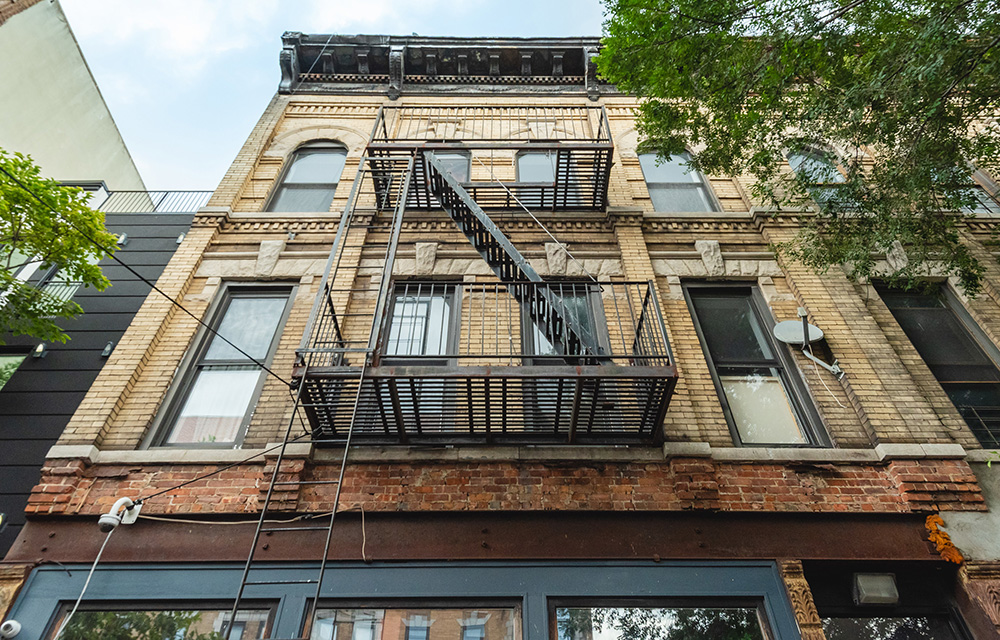
Marcus & Millichap brokers $2.8 million sale of free-market mixed-use property in Brooklyn
Brooklyn, NY Marcus & Millichap brokered the sale of 733 Dekalb Ave., a fully free-market multifamily and retail property in the Bed-Stuy neighborhood. The asset sold for $2.8 million.



Quick Hits

Columns and Thought Leadership

New York’s streets are full again, and the retail numbers prove it - by Noam Aziz
Walk down any New York block this year and you can feel it. The sidewalks are crowded, the storefronts are lit, and the energy that defines this city is back at full volume.

Positive forecast for New York’s pro-housing push? - by Philip Butler
New York’s housing crisis remains a hot button topic despite growing consensus that varied and affordable housing is desperately needed statewide. Governor Hochul has recently introduced several initiatives to overcome N.Y.’s anti-housing

A guide to finding the right NYC property management company - by Sanjay Gandhi
Being a small to midsize landlord in NYC is an increasingly demanding endeavor. From navigating complex regulations, increased compliance demands to dealing with tenant issues and remediating violations. It is wise to enlist the assistance of a partner, a professional

Hunt commercial real estate question and answer: Fortune 500 wisdom - by David Hunt
Yes, there are lessons to be learned from the largest companies in America when comes to managing your real estate. But the decision to buy or lease real estate may not be one of
.gif)
September Promotion
