



News:
Brokerage
Posted: June 14, 2022
Forward rate lock - A solution for developers in the real estate industry? - by Stuart Gelb

A mortgage rate lock is an agreement between borrower and lender that allows borrowers to lock in an interest rate. If you're looking to borrow, here are a few key things you should know:
Facts: In the last three decades, inflation has been relatively low in the US economy. Inflation has averaged over 1-1/2 percent over the last decade.
Problem: With the inflation rate at 8.5%, the Fed is moving interest rates to slow the economy down. Why is this a problem for developers in the construction space today? When the developer goes to borrow funds on a specific project, the rates are typically variable and will change monthly to much higher rates. With the additional costs of labor and materials, this will add substantially to the cost of the project.
Most construction projects go on for 24 months or more and only upon stabilization can they get their perm financing based on the state of the 10-year treasuries at that time. That pricing today is unknown and is projected to be much higher. Major effects on the size of the loan, DSCR (debt service coverage ratios), the annual cost of the loan, and will have a negative effect on all ratios. Debt yield, Cash flow, Cap rate, ROI (return on investment), ROE (return on equity), LTV (loan to value), IRR calculations. At certain levels unknown to the investor/developer today, the actual project may not be profitable to execute and will not be known at the point of receiving the construction loan.
Solution: Forward rate locks that are set up with swaps Banks can use these derivatives to safely lock in rates for their clients. There are very few banks doing “forward rate locks” today in construction. This gives the opportunity for the developer to lock in a forward rate lock on the permanent financing when closing on their construction loan. Typically, the lock is in place for 8 years after the 2-year construction comes after completion and stabilization. At minimum, one can pencil in the costs of financing and be comforted that the deal makes sense.
Stuart Gelb is the CEO of The Liquidity Source New York, NY.
Tags:
Brokerage
MORE FROM Brokerage
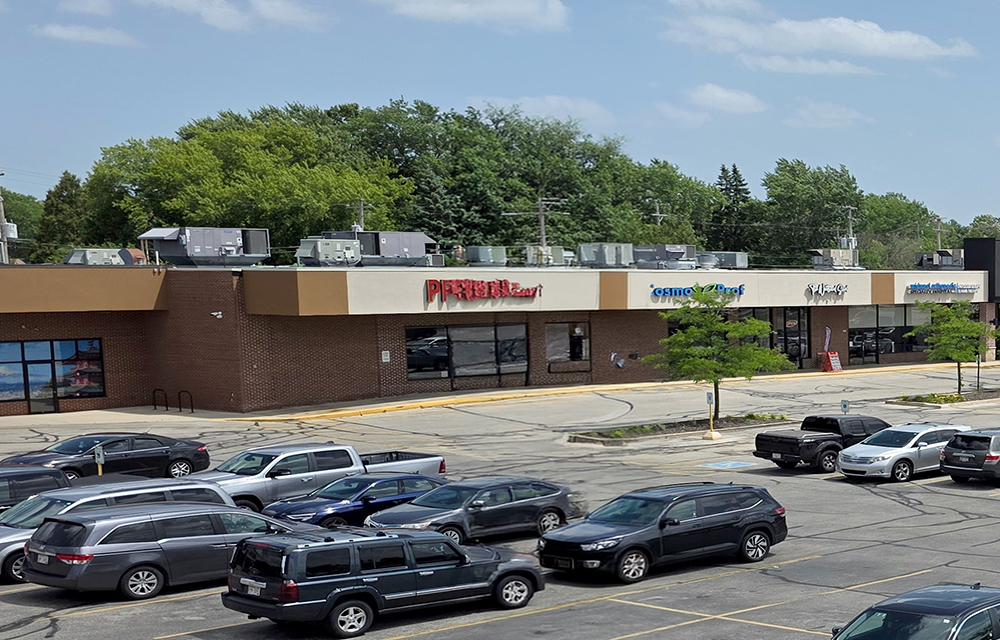
United Properties Corp. expands Wisconsin and Illinois retail presence adding 200,000 s/f
West Allis, WI United Properties Corp. completed two retail acquisitions totaling $27.4 million across Illinois and Wisconsin, adding 205,000 s/f of shopping center space to its portfolio




Quick Hits

Columns and Thought Leadership

A guide to finding the right NYC property management company - by Sanjay Gandhi
Being a small to midsize landlord in NYC is an increasingly demanding endeavor. From navigating complex regulations, increased compliance demands to dealing with tenant issues and remediating violations. It is wise to enlist the assistance of a partner, a professional

New York’s streets are full again, and the retail numbers prove it - by Noam Aziz
Walk down any New York block this year and you can feel it. The sidewalks are crowded, the storefronts are lit, and the energy that defines this city is back at full volume.

Positive forecast for New York’s pro-housing push? - by Philip Butler
New York’s housing crisis remains a hot button topic despite growing consensus that varied and affordable housing is desperately needed statewide. Governor Hochul has recently introduced several initiatives to overcome N.Y.’s anti-housing

Hunt commercial real estate question and answer: Fortune 500 wisdom - by David Hunt
Yes, there are lessons to be learned from the largest companies in America when comes to managing your real estate. But the decision to buy or lease real estate may not be one of
.gif)