


News:
Owners Developers & Managers
Posted: April 27, 2026
Follow the upside: How NYC investors are rethinking real estate - by Thomas Donovan

In my earlier years of brokerage, my team had our investor list divided into five brackets – multifamily, retail, office, industrial and development. For the most part, multifamily investors only wanted to see multifamily listings, retail investors wanted to see retail listings, and so on.
Over the past few years, that dynamic has shifted dramatically.
A combination of gentrifying neighborhoods, rising operating costs, increased management intensity, and expanding regulation - particularly in rent-stabilized housing - has pushed investors to rethink their strategies. Today, we’re seeing far more cross-asset flexibility, with industrial and retail repositioning leading the way.
In 2025, Queens industrial and retail assets posted the highest dollar volumes, despite being among the smaller sectors by inventory. That trend reflects a broader shift toward value-add opportunities with fewer regulatory constraints and stronger upside potential.
In December 2025, our team closed a nine-building, 34-unit retail-driven portfolio with significant development potential. The deal included a mix of credit and non-credit tenants, nine vacancies, and more than 400,000 s/f of unused air rights. We received over 20 offers from both retail investors and developers - each with a different vision for repositioning. Ultimately, a retail investor secured the portfolio.
That outcome underscores where demand is today: assets that offer optionality. Investors are targeting opportunities where they can reposition, redevelop, and drive returns into double digits while creating durable cash flow.
Industrial continues to stand out as well. Years of zoning changes have reduced supply by roughly 65%, pushing values higher and compressing cap rates. We’re now seeing rents reach as high as $35 per s/f NN, often with minimal landlord responsibilities.
While N.Y.C. real estate remains resilient overall, not all sectors are keeping pace. Rent-stabilized multifamily, in particular, continues to face headwinds.
Looking ahead to the rest of 2026, I expect more of the same. The market may not be pretty - but deals are getting done, and capital continues to find its way into opportunities with clear upside.
Thomas Donovan is a senior managing director at Meridian Capital Group, Battery Park, N.Y.
MORE FROM Owners Developers & Managers
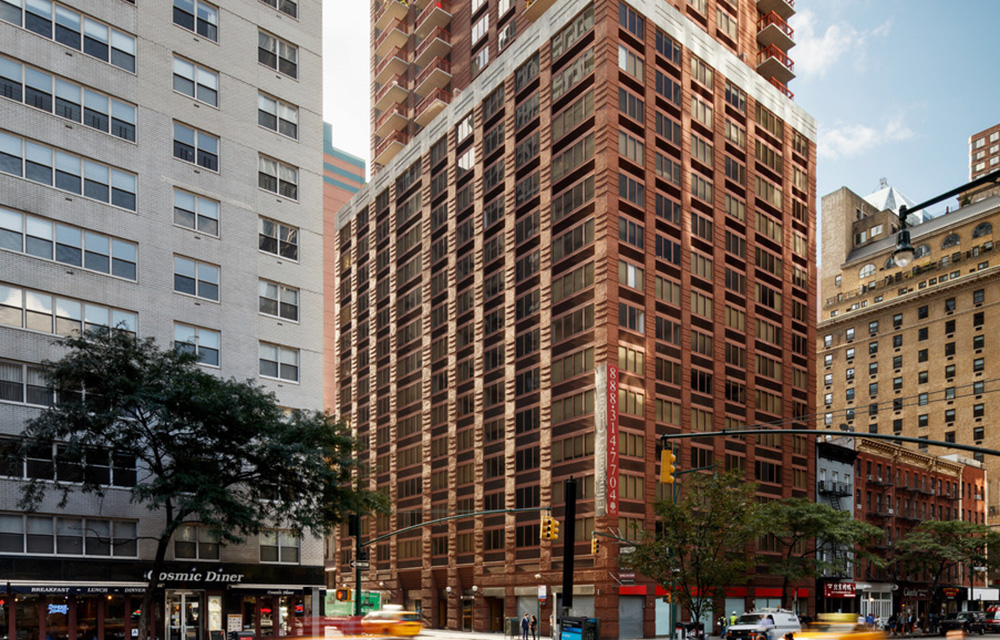
Rose Assocs. partners with Morgan Stanley Real Estate Investing to recapitalize The Ellington
Manhattan, NY Rose Associates, Inc., the New York-based multifamily real estate developer and manager, has partnered with a fund managed by Morgan Stanley Real Estate Investing (MSREI) in the recent recapitalization


Quick Hits


Columns and Thought Leadership

Hunt Commercial Real Estate Q&A: Location, location, location? - by David Hunt
In working with our clients, we break down our search objectives into two categories. The first category involves the specific needs of your business such as warehouse height, amount of office space and number of loading

NYC's Community Opportunity to Purchase Act is back - and multifamily owners should pay attention - by Ron Cohen
New York City’s Community Opportunity to Purchase Act (COPA) is back, and this latest version could have a much better chance of becoming law. The proposal would give qualified nonprofit organizations

Don’t leave severance damages behind - by Sebastian Jablonski
When the government takes a portion of a landowner’s property, most assume just compensation stops at the value of the land taken. However, in partial takings, that is only half of the equation.
New York City’s historic rent freeze now rests with the courts - by Ron Cohen
New York City’s first-ever two-year rent freeze is now in the hands of a state Supreme Court judge, and the decision could reset income for owners of roughly one million rent-stabilized apartments housing some 2.4 million residents.