



News:
Brokerage
Posted: March 24, 2014
Construction Law: The difference between private and public mechanic's liens
Mechanic's liens are creatures of statute. They can be for private or public work projects. Private liens are basically a form of legal notice that is placed on the title to the real property, showing that contractors, subcontractors, suppliers or architects claim they are owed money. Mechanic's liens on public projects are very different, since they are against the money owed by the public agency to the contractor.
When most people think about mechanic's liens for unpaid work by a contractor, they think of private mechanic's liens. They can be on residential or commercial property. When they are filed in connection with renovation on a shareholder's apartment, they are filed against the entire building because the shareholder only owns shares in the co-op corporation. This is why co-ops require shareholders in their Alteration Agreements to have liens removed or the co-op will do it and charge them back for the expenses. They can be filed on condominium buildings or on individual units. Sometimes they are incorrectly filed against the entire condominium building, when they should only have been filed against only one unit.
The ultimate goal is to sell the real property to obtain the money owed in the lien. However, merely filing a private lien does not get the contractor paid or mean that the owner is going to lose his property in a foreclosure sale. If the lien is for a dollar amount where the owner has the financial ability to bond it or deposit the money with the court, it will take a great deal of the pressure off of the owner. The lien becomes a civil fee dispute and no longer involves the real property. Like private liens, public liens can be bonded, so that the lien will just involve a dispute over the money owed.
C. Jaye Berger, Esq., is the principal of Law Offices C. Jaye Berger, New York, N.Y.
Tags:
Brokerage
MORE FROM Brokerage

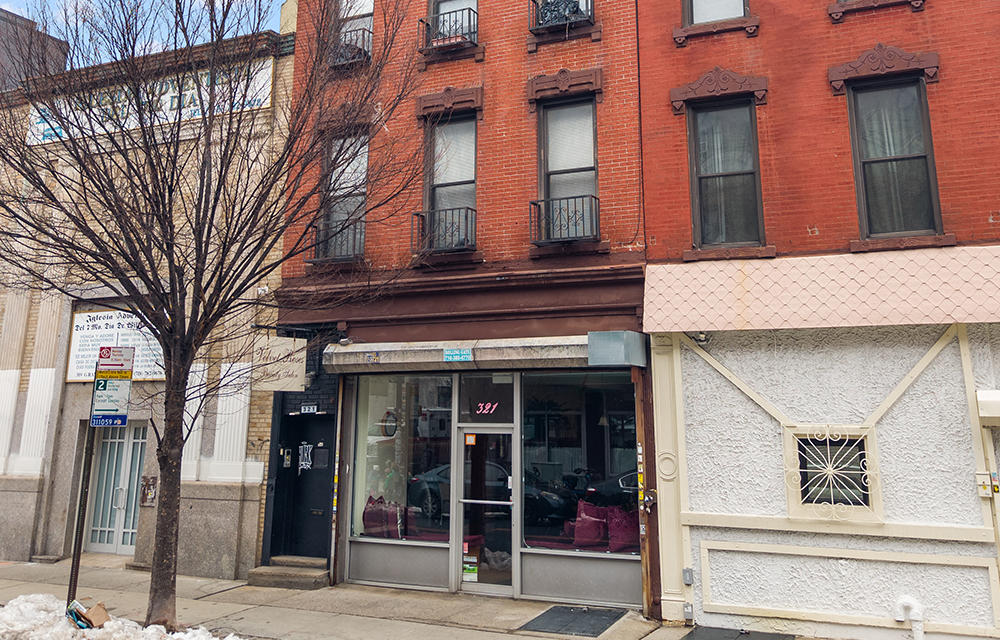
Bestreich, Reynolds, Davila, and Flaherty of Investment Property Realty Group close $1.97 million sale of 343A Tompkins Ave. in Bed-Stuy
Brooklyn, NY Investment Property Realty Group (IPRG) closed the sale of 343A Tompkins Ave., a mixed-use building located in the Bed-Stuy section of the borough, for $1.97 million.




Columns and Thought Leadership

A guide to finding the right NYC property management company - by Sanjay Gandhi
Being a small to midsize landlord in NYC is an increasingly demanding endeavor. From navigating complex regulations, increased compliance demands to dealing with tenant issues and remediating violations. It is wise to enlist the assistance of a partner, a professional

Hunt commercial real estate question and answer: Fortune 500 wisdom - by David Hunt
Yes, there are lessons to be learned from the largest companies in America when comes to managing your real estate. But the decision to buy or lease real estate may not be one of

Hunt CRE question and answer: Choosing a real estate agent - by David Hunt
First, we will only work with one agent exclusively. The primary reason is that we want that agent to legally represent our client’s interests. In New York State, a real estate agent has a fiduciary

New York’s streets are full again, and the retail numbers prove it - by Noam Aziz
Walk down any New York block this year and you can feel it. The sidewalks are crowded, the storefronts are lit, and the energy that defines this city is back at full volume.
.gif)