



News:
Brokerage
Posted: June 22, 2009
Architectural and real estate property photography
The task of photographing properties or projects for marketing purposes requires addressing many details in order to avoid costly mistakes and wasted time.
Architectural photos are predominantly shot digitally, so I'll focus on this technology. Here is a how-to checklist for hiring a photographer and organizing a photo shoot.
1. Define what you need your images for - a website, brochure, publicity, large-format advertising or all of the above. Tell the photographer and make sure you receive high-resolution images applicable to various uses.
2. Architectural photography is technically and artistically challenging and you should always retain an experienced professional. Ask for recommendations, review local architectural publications for photo credits, or search on-line real estate resources such as UPworld.com. You may also reach out to professionals like myself, who organize and art direct architectural photo shoots and offer very good pricing thanks to long-term relationships with top photographers.
3. Cost: the price will be either a lump sum or a sum of a photographer's fee (frequently including an assistant's fee) and out of pocket expenses (travel, flowers, plants, props, etc.) The pricing depends on the photographer's prominence and the duration of a photo shoot (i.e. half day vs. full day). In the N.Y.C. area, the cost of a half-day shoot should be in the $1,250 to 3,000 range; a full day: $1,750 to 5,000.
If other parties are to receive the photos (i.e. clients or builders), the photographer may charge an extra fee for each additional entity to receive usage rights. The extra cost per party ranges from $350 - 1,000.
4. Usage rights: be prepared to occasionally hear that the fee you just negotiated permits usage only for a certain period of time or only for certain applications. Unlimited usage rights are the best option, but at a minimum you should receive the following usage rights in perpetuity: all internal company uses, client presentations, brochures, print and on-line media and publications, and on-line posting.
5. Shoot preparation: ensure the photographer has access to all spaces and light controls. The interior spaces should be cleaned, vacuumed, and checked for malfunctioning lights prior to the shoot. Make sure the space is completed, including landscaping, furniture, computers, and wall artwork. If needed, discuss using props in advance.
6. Be aware that spaces occupied prior to the shoot require extensive cleaning. Dealing with clutter on messy desks can take longer than the actual photo shoot of an office interior. On-site assistance may be necessary for moving heavy items or replacing light bulbs. If possible, schedule the shoot outside of work hours.
7. Final product: upon completion of the shoot, you should receive the following: large TIF format files (40+Mb), medium TIF and JPG format file (300 dpi resolution, 4"x6"), and small JPGs at 150 or 100 dpi for on-line and computer monitor viewing. The photos should be color-corrected, with proper brightness and other basic corrections, within the original cost.
8. Sharing photos with parties that did not pay the photographer is unethical and may be a copyright violation. The photographer will sell the files and usage rights for a reasonable fee. When sending photos to the media, include required photo credits.
For additional information regarding architectural photography, contact the author at [email protected].
Peter Wilk is president and founder of Wilk Marketing Communications, Brooklyn, N.Y.
Tags:
Brokerage
MORE FROM Brokerage
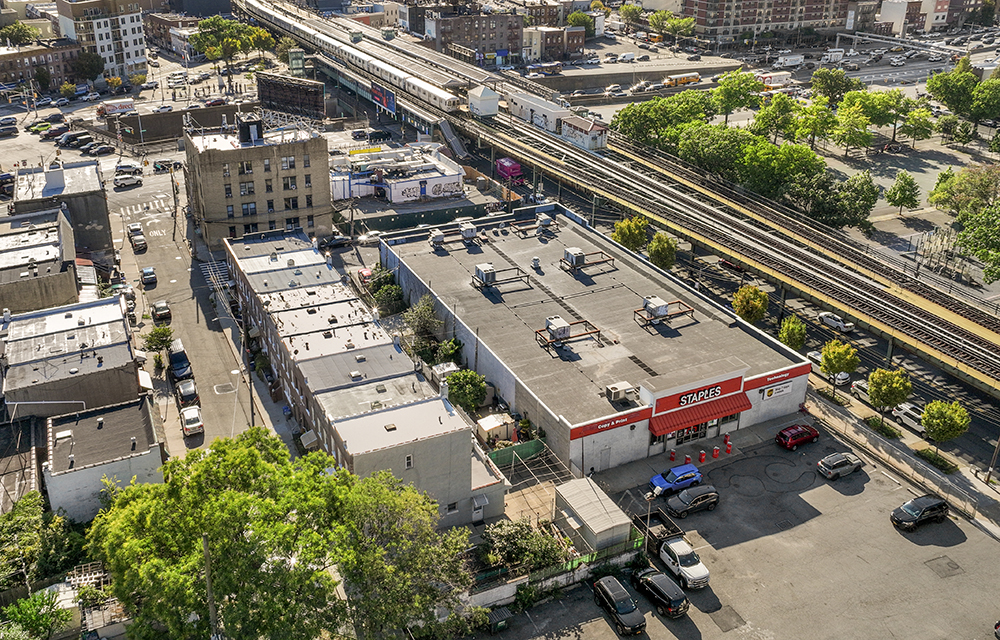
Investment Property Realty Group represents The Vaja Group in $26.4 million acquisition of fully entitled Astoria development site
Queens, NY Investment Property Realty Group (IPRG) arranged The Vaja Group’s $26.39 million acquisition of 24-41 31st St., a fully entitled development site in Astoria. The 29,638 s/f site traded for $176 per buildable s/f.


 (2).gif)

Columns and Thought Leadership

New York’s streets are full again, and the retail numbers prove it - by Noam Aziz
Walk down any New York block this year and you can feel it. The sidewalks are crowded, the storefronts are lit, and the energy that defines this city is back at full volume.

A guide to finding the right NYC property management company - by Sanjay Gandhi
Being a small to midsize landlord in NYC is an increasingly demanding endeavor. From navigating complex regulations, increased compliance demands to dealing with tenant issues and remediating violations. It is wise to enlist the assistance of a partner, a professional

Positive forecast for New York’s pro-housing push? - by Philip Butler
New York’s housing crisis remains a hot button topic despite growing consensus that varied and affordable housing is desperately needed statewide. Governor Hochul has recently introduced several initiatives to overcome N.Y.’s anti-housing

Hunt commercial real estate question and answer: Fortune 500 wisdom - by David Hunt
Yes, there are lessons to be learned from the largest companies in America when comes to managing your real estate. But the decision to buy or lease real estate may not be one of
.gif)
September Promotion
