



News:
Brokerage
Posted: March 25, 2008
How real estate taxes affect value: New York state politicians debate price and affordability
Real estate taxes are a dirty word in New York state. Primarily the problem is focused on upstate New York where economic vitality is less than downstate New York. Recently, the New York state politicians have debated about a tax cap for single-family residential home owners. Over the past decade the STAR program has provided relief to the single-family homeowners with additional benefits for seniors. Commercial properties owners have not been as fortunate. However, for new construction and/or rehabilitation there has been various tax abatements available primarily through the 485 Business Investment Exemption (BIE) program. This program has allowed municipalities and school districts to grant declining exemptions for the additional assessment due to the new construction or rehabilitation. Under Industrial Development Agencies (IDA) payments in lieu of taxes also known as PILOT programs are a popular concept to minimize taxes. Of course under Empire Zones, very generous real estate tax exemptions are given for up to 100% for up to eight years with phasing out over the next five years or so.
The downside of these programs is that it creates the "haves" and "have nots;" those properties which have the benefits and those who do not. This creates two tiers of properties which results in an over supply of the "have nots." There is an inverse relationship between real estate taxes and value. Thus, existing properties with no new improvements have relatively high real estate taxes which has a depressing effect on prices in addition to the possible oversupply of existing properties of that category.
Some politicians argue that is the price taxpayers pay for "quality" services such as education, infrastructure, etc. There are indicators which have shown that the superiority of New York state services are overstated relative to other states. As an example average SAT scores in areas such as Birmingham, Alabama; Richmond, Virginia; Clearwater, Florida; and Charlotte, North Carolina are on par with much of New York state. The other argument politicians use in this debate is affordability. That is, although real estate taxes depress value, this makes the properties more affordable. On the surface, lower prices do benefit purchasers of real estate. As an example, if real estate taxes are $20,000 higher than an equal property, the mortgage affordability may be as much as $230,000 lower. So instead of paying $20,000 more in debt service the buyer could be paying approximately $20,000 more in real estate taxes. Thus, no harm; no foul? Wrong! The reason is property appreciation or "lack of." Over the past 30 years in parts of upstate New York, there has been documentation in the market that the average annual value increase was approximately 3%. In low real estate taxed economies, some comparable sized metro areas of other states have had a minimum of 6% average annual increase over the past 30 years. The equity buildup for the 3% appreciation market is $900,000 on a $1 million commercial property acquisition price over 30 years. Using the same acquisition price of $1 million, the equity buildup before amortization in a 6% average appreciation market is $1.8 million; a $900,000 difference or 100%. The upstate New York investor has been "robbed" of $900,000 of equity because of high real estate taxes. A $100,000 home purchased in 1978 selling 30 years later for $190,000 in upstate New York will have had a building of equity of approximately $90,000 before amortization. In a non New York state location an equity buildup of $180,000 results or a difference of $90,000; a difference of 100% before amortization. The upstate New York resident has been "robbed" of $90,000 of equity because of high real estate taxes.
In summary, the politician's arguments are weak for the following reasons:
1. The level of services in similar sized metropolitan areas are not substantially different.
2. The "robbing " of equity growth of investors/owners may override the affordability argument.
John Rynne, MAI, SRA, is president of Rynne, Murphy & Associaties, Inc., Rochester, N.Y.
Tags:
Brokerage
MORE FROM Brokerage
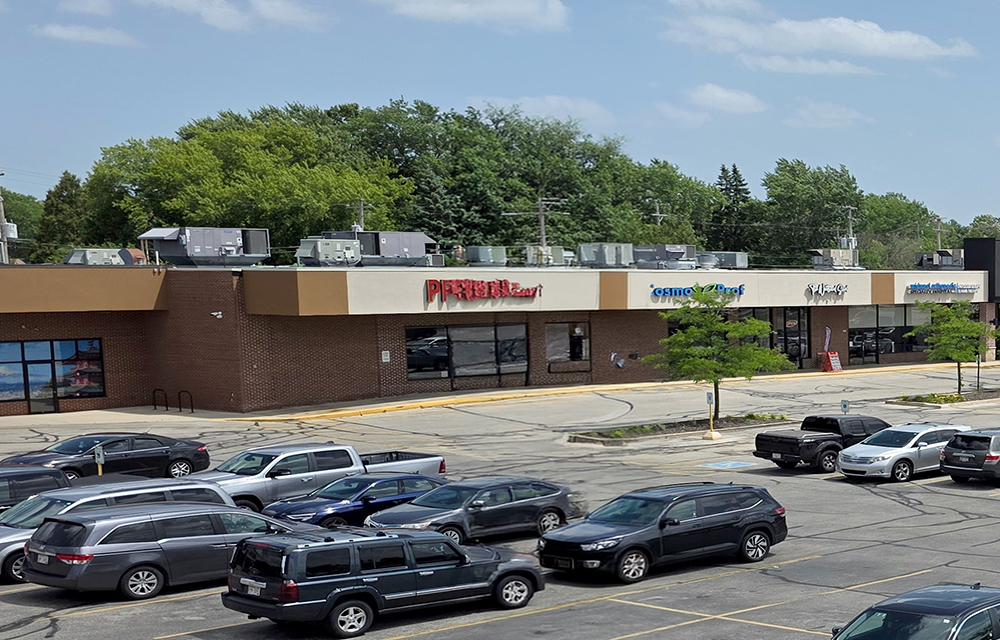
United Properties Corp. expands Wisconsin and Illinois retail presence adding 200,000 s/f
West Allis, WI United Properties Corp. completed two retail acquisitions totaling $27.4 million across Illinois and Wisconsin, adding 205,000 s/f of shopping center space to its portfolio



Quick Hits

Columns and Thought Leadership

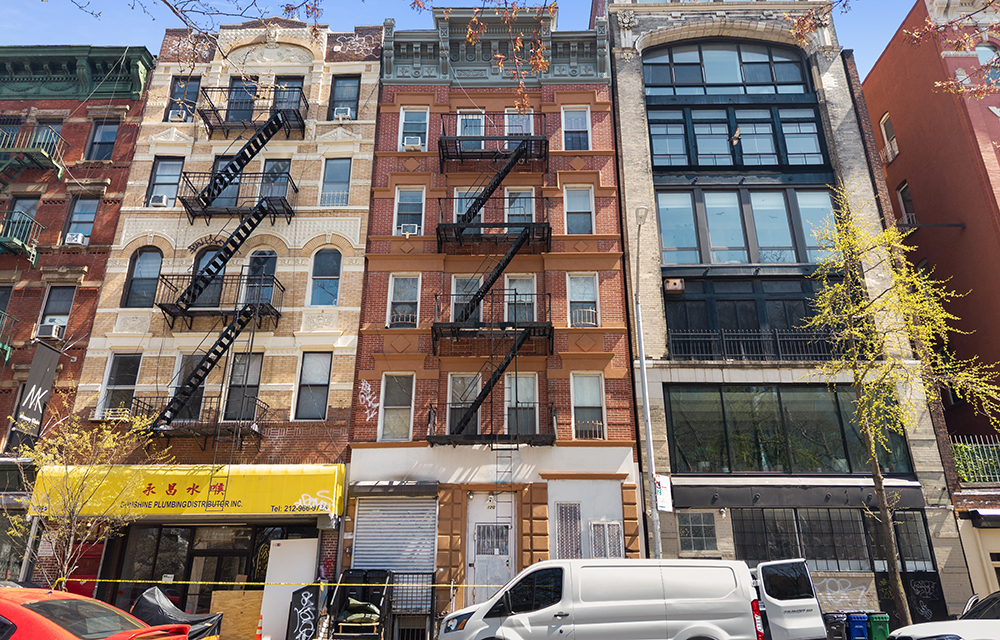
New York’s streets are full again, and the retail numbers prove it - by Noam Aziz
Walk down any New York block this year and you can feel it. The sidewalks are crowded, the storefronts are lit, and the energy that defines this city is back at full volume.

Hunt commercial real estate question and answer: Fortune 500 wisdom - by David Hunt
Yes, there are lessons to be learned from the largest companies in America when comes to managing your real estate. But the decision to buy or lease real estate may not be one of

Positive forecast for New York’s pro-housing push? - by Philip Butler
New York’s housing crisis remains a hot button topic despite growing consensus that varied and affordable housing is desperately needed statewide. Governor Hochul has recently introduced several initiatives to overcome N.Y.’s anti-housing

A guide to finding the right NYC property management company - by Sanjay Gandhi
Being a small to midsize landlord in NYC is an increasingly demanding endeavor. From navigating complex regulations, increased compliance demands to dealing with tenant issues and remediating violations. It is wise to enlist the assistance of a partner, a professional
.gif)