



News:
Brokerage
Posted: January 11, 2022
High Falls-based Metro Falls Real Estate’s 2022 plan highlighted by additional housing units in city and suburbs
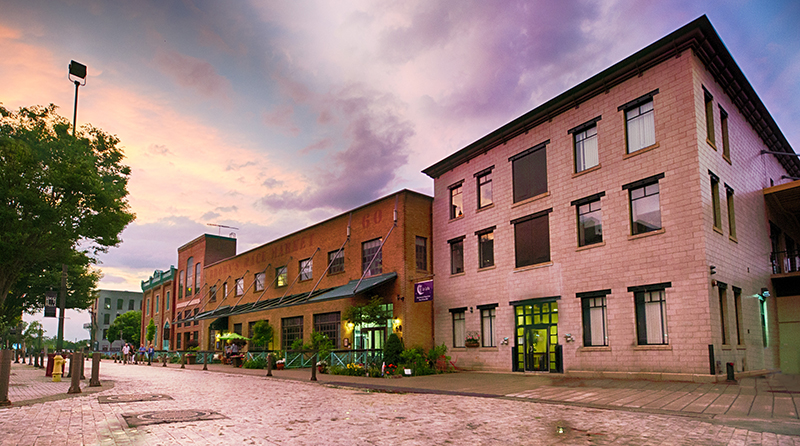
Rochester, NY When Todd Clicquennoi of Metro Falls Real Estate Services recently decided to upgrade and renovate his loft apartment building at 208 Mill St. in the High Falls District, he didn’t track down any market research data or worry about demand. He didn’t have to. He and his wife Michelle had lived in one of the units for six months in 2020. He knew what was needed.
“It really was pretty enlightening on a day-in-day-out basis to see what did and didn’t work in our unit, and with that in mind we’ve developed a whole new packet of amenities and finishes that we’ll use both at 208 Mill and in the new units at Brown’s Race,” said Clicquennoi.
Working with HUNT Engineers and Architects from their shared Gorsline office building atop the west side of the High Falls, Clicquennoi has raised the bar regarding kitchen treatments, closet space, guest bathrooms, and dramatic lighting.
“Where there was office space, we’ve now expanded the residences,” he said. Not satisfied with simply bringing new loft units into the downtown market, Clicquennoi insists that the downtown residential market has entered a new era.
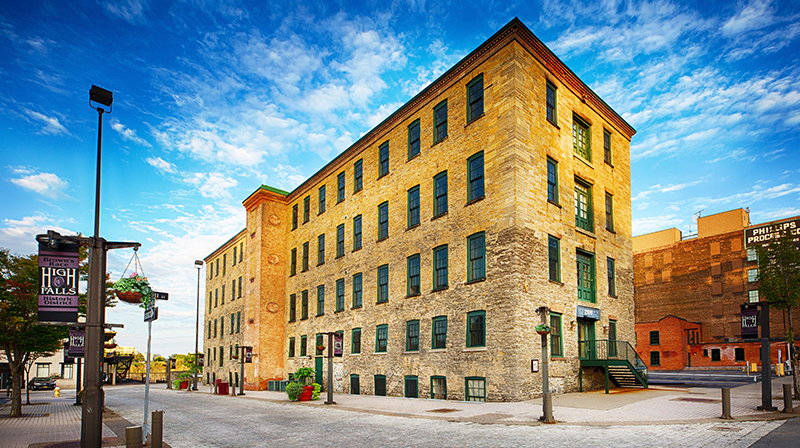
“The original loft building, Smith-Gormley on St. Paul St., is 50 years old, and the most recent era of converting industrial and commercial space to residential units began over 20 years ago with the Loftus Brothers in the Cascade District. We are at a point where there is so much product on the market that to stand out and succeed means being able to differentiate with services and ‘experiential’ amenities,” said Clicquennoi.
Metro Falls and Clicquennoi are not simply historical renovators. In addition to their multiple High Falls units (with more enroute), Metro Falls also rents office space and residential units in their mid-century-modern, 44 Exchange St. Building at State and Broad St., and, just south of the Village of Honeoye Falls, their Pinebrooke 112-unit, apartment complex wanders across 20 acres, with an additional 44 units being built.
According to Clicquennoi, each site includes a different and exciting challenge. At High Falls, the units are oversized and offer potential renters a “classic” post-and-beam, loft aesthetic.
The challenge? Offering a street-level experience that includes robust dining and retail locations.
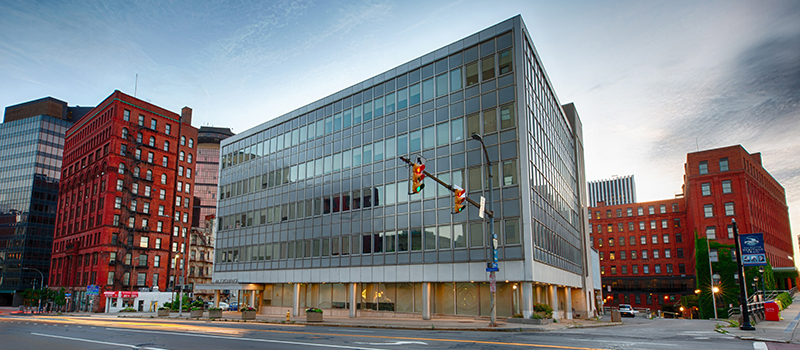
For its part, the 44 Exchange Building sits in the heart of the business district, across from the Blue Cross Arena, and cheek-and-jowl with the future home of Constellation Brands. Connecting to the river and canal will be much easier in coming years as the city’s “Roc the Riverway” continues to get traction and the dramatic renovation of Broad St. moves forward.
If the cliché ‘retail follows rooftops’ holds true, Clicquennoi thinks the downtown community will soon start to express itself more vibrantly. “Keep in mind we will soon have almost 10,000 downtown residents. There is more than enough pent-up demand in those units,” he said. Looking south to Pinebrooke and Honeoye Falls, Clicquennoi sees a similar need for a reimagined ‘Main St.’
“With the intertwining of COVID and the burgeoning on-line shopping experience, it can be daunting at times to imagine which retailers will survive. I firmly believe that ultimately our residents in the city and in the suburbs all desire a similar walkable community. I am very bullish about the new city of Rochester administration. Their early appointments include creative people who have been in the downtown and broader city mix for years. I’m sort of excited to see what the city and we can come up with together—likely things currently unknown. We are all going to have to all think out of the box.”
The planned upgrades at the 208 Mill St., 60 Brown’s Race, Center City Lofts, and 44 Exchange buildings represent what a progressive developer both can—and needs to—do in a mature market with over 20 years of loft creation. As they city’s downtown continues to transition from an office park into a residential community, property owners like Metro Falls’ Clicquennoi are differentiating themselves by providing modern amenities, street-level activity, and a community within their buildings.
Tags:
Brokerage
MORE FROM Brokerage
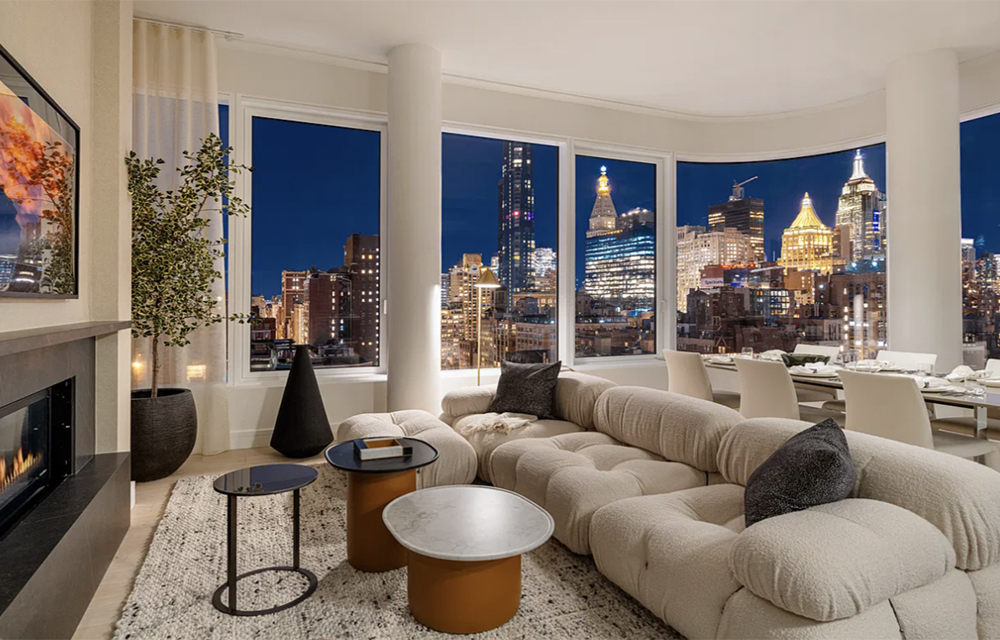
200E20TH sells out in Gramercy, penthouse A closes out sales at the CetraRuddy-designed condominium residences
Manhattan, NY 200E20TH, the CetraRuddy-designed architectural masterwork that brought a curved, contemporary sensibility to Gramercy’s Beaux-Arts streetscape, has





Quick Hits

Columns and Thought Leadership

New York’s streets are full again, and the retail numbers prove it - by Noam Aziz
Walk down any New York block this year and you can feel it. The sidewalks are crowded, the storefronts are lit, and the energy that defines this city is back at full volume.

Hunt commercial real estate question and answer: Fortune 500 wisdom - by David Hunt
Yes, there are lessons to be learned from the largest companies in America when comes to managing your real estate. But the decision to buy or lease real estate may not be one of

Hunt CRE question and answer: Choosing a real estate agent - by David Hunt
First, we will only work with one agent exclusively. The primary reason is that we want that agent to legally represent our client’s interests. In New York State, a real estate agent has a fiduciary

The art of investing in real estate - by Thomas Donovan
Real estate investing is as much an art as it is a skill. No one can time the market, or the factors that drive it, perfectly. Location, zoning, size, transportation, and neighborhood density give you a baseline for
.gif)