


 (2).gif)
News:
Spotlight Content
Posted: October 27, 2008
Grassi & Co., CPAs and McGraw-Hill undertake survey on the state of the construction business
Achieving success in a competitive business environment is an increasing challenge. In today's environment of rising supply costs, financial market turmoil and diminishing backlog, planning is critical. The recent challenges presented by the turmoil on Wall Street bring additional importance to a survey being undertaken by McGraw-Hill's New York Construction and Grassi & Co., CPAs.
New Survey Available
To gain this insight, Grassi & Co., CPAs, one of the region's leading accounting firms, has developed a survey tool that will help collect important information about the way contractors and subcontractors manage and grow their companies. An industry board of advisors was convened recently at McGraw-Hill to provide guidance on the survey. It is sure to be an important measuring tool used to plan for the market ahead.
"Planning is always important, but with project uncertainty, diminishing backlog and the cost of money rising, it is critical to have this insight into where we are and where we're going," said Lou Grassi, managing partner at Grassi & Co., CPAs.
The aim of the survey is to better understand the present and future of the construction market from the vantage point of construction company owners. A future survey effort will focus on architecture and engineering firms. The survey will seek to uncover economic trends that will impact the way firms operate and companies grow in the coming years.
"The main question is 'What's going on in the marketplace?'" said Grassi, whose firm has undertaken similar surveys that have chronicled construction cycles including the '89-'92 cycle which reported major changes in the New York construction market.
"We all know about our backlog," said Seth Horowitz, publisher of New York Construction. "We all know the projects we have on the books, the skyline is booming, but where is the market heading? We're looking for what's next."
About the Survey
Many readers may have already been asked to participate in the survey. Participants include firms of different sizes and financial profiles and firms will be stratified into one of several groups that are being examined. The survey includes questions covering seven different topical areas that are critically important to understanding current business operations including company profile, work and contracts, self improvement and technology, business, financial tools and controls, business development and the future.
The survey will include firms of different sizes, with differing financial profiles and placed in corresponding categories. Participants can expect the survey to take 15 minutes to complete. The answers to our survey will be compiled by a review team and developed into a comprehensive report that will provide important information for use in planning over the next several years.
* Section one asks for information about your company including general information, information on MWBE certification, union status, corporate ownership and questions about owner transition planning.
* Section two focuses on work and contracts and focuses on whether work is public or private, its size and scope and geographical focus. This section also seeks information on bidding, bonding, and backlog and on joint ventures and associations.
* Section three includes questions on self-improvement, training and technology.
* Section four focuses on profits, litigation, and access to capital and bonding and company benefit plans.
* Section five concerns financial tools and controls including employee honesty.
* Section six deals with business plans.
* Section seven looks into an outlook for the future including economic projections and an outlook for construction activity.
How to Participate
A copy of the survey will be included in Your Brand and Your Bottom Line, a special supplement to McGraw-Hill New York Construction in the November issue.
The supplement will feature the insight of industry experts on the areas of business planning and marketing for construction firms facing the challenge of a changing economic climate.
To access the survey online, please visit: www.grassicpas.com/2009survey. Responses are strictly confidential and will not be shared with anyone. The results for the survey will only be reported in aggregate form.
Where's Your Plan?
Industry experts acknowledge changes in the current construction market are on the horizon. With backlog diminishing and market corrections apparent in both the commercial and residential markets, are you ready with your business, marketing and operating plans to ride out the changing economy and advance your firm for the next construction cycle?
A half-day program, Your Brand & Your Bottom Line Preparing for a Changing Economy, will be held November 17, at the McGraw Hill Conference Center.
For more information, visit: www.navigatingopportunities.com/yourbusinessplan.
Tags:
Spotlight Content
MORE FROM Spotlight Content

NYREJ's 2026 Developing Long Island Spotlight is here!
This spotlight showcases projects completed and currently under construction across Long Island as well as highlights improvements made to the region through Industrial and Economic Development Agencies and BIDs.
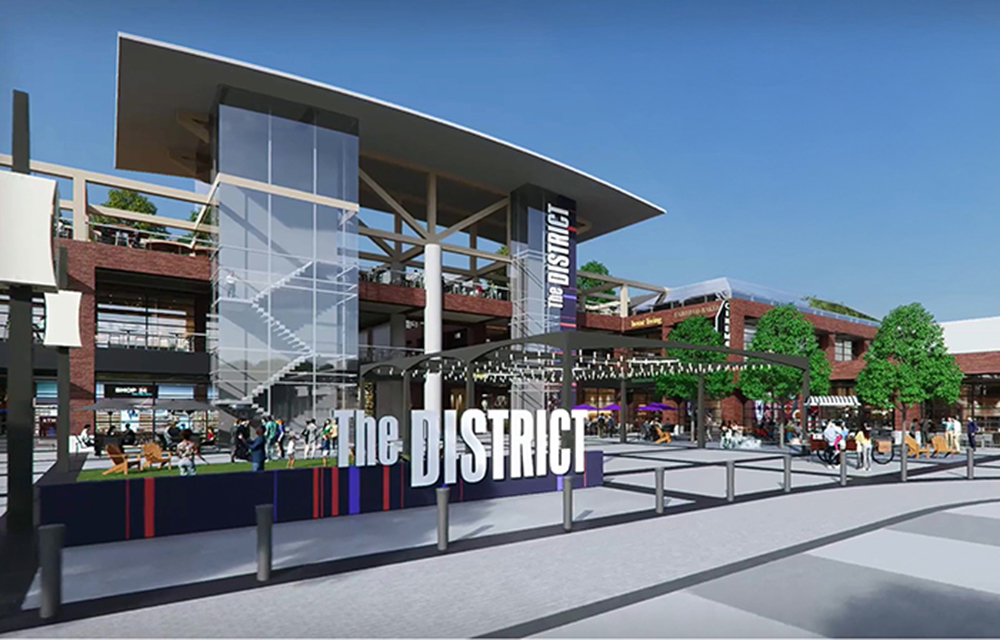
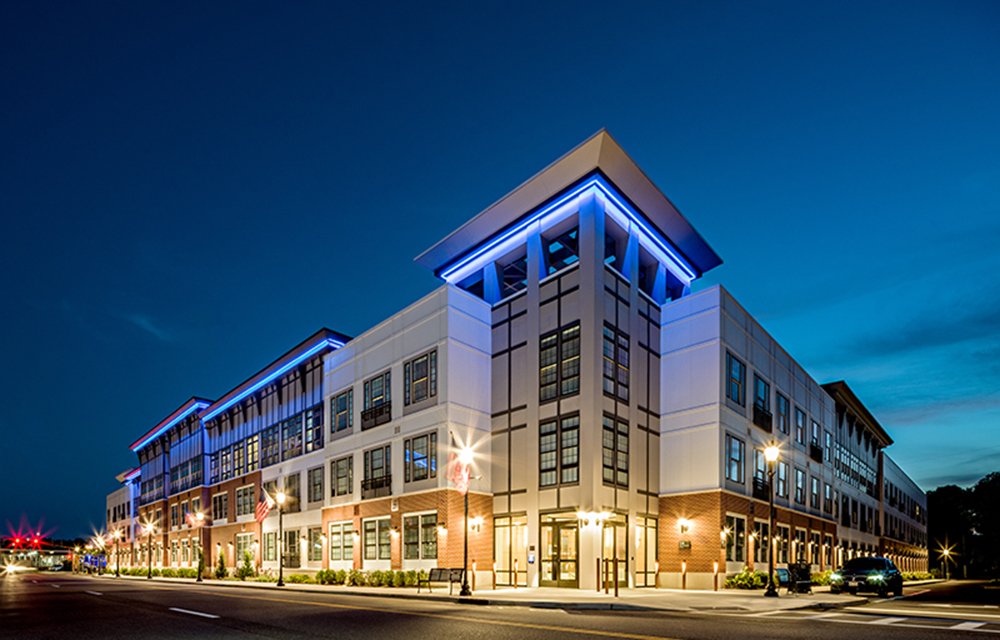

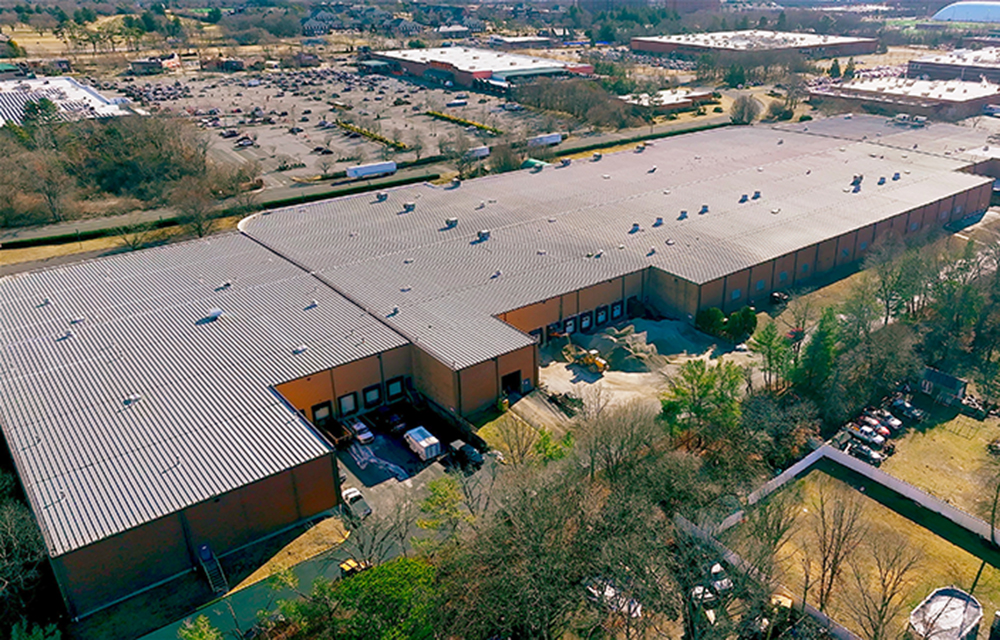
.png)

Quick Hits


Columns and Thought Leadership

2026 Developing Queens: Long Island Board of Realtors advances commercial growth and advocacy in Queens
The Long Island Board of Realtors (LIBOR) Commercial Network continues to play a key role in advancing opportunities and strengthening the commercial real estate landscape across Queens. Through targeted programming and global outreach

From vacancy to vitality: How adaptive reuse is reshaping Long Island’s CRE landscape - by Andrea Tsoukalas Curto
Adaptive reuse has become one of the most important conversations in commercial real estate today. Long Island has a large inventory of aging retail, office and industrial

Properly serving a lien law Section 59 Demand - by Bret McCabe
Many attorneys operating within the construction space are familiar with the provisions of New York Lien Law, which allow for the discharge of a Mechanic’s Lien in the event the lienor does not commence an action to enforce following the service of a “Section 59 Demand”.

CRE Guide Featured Company: Merritt Environmental Consulting Corp.
Merritt Environmental Consulting Corp. (MECC) was established in June of 2009 after being part of a larger engineering firm for almost 20 years. The focus of the company is to assist lending institutions, attorneys, real estate investors, and property owners with environmental concerns. Today, MECC has offices in New York, Florida, and Vermont and has grown into a regional consulting firm serving clients along the East Coast.
September Promotion
