



News:
Brokerage
Posted: July 27, 2015
GDC plans to transform former convent into $50m tourist destination; 178 rentals apartments, 20 townhomes and spa, inn & restaurant
Building on the momentum of the launch of its GDC Rentals brand, Ginsburg Development Companies (GDC) has revealed plans to transform the former St. Mary's Convent property overlooking the Hudson River into a resort-style tourist destination that would feature a spa, inn and restaurant as well as 178 luxury rentals apartments and 20 townhomes.
Called Fort Hill, the $50 million project would convert the existing convent into a spa, restaurant and inn. The apartments would be located in three buildings arranged in a quad around a wooded knoll. The new buildings, up to five stories high, would complement the existing stone-and-brick structures, which were designed by architects of the 1800s.
The 20 townhomes would be built along Main St. between Spring and Hadden Sts. Garages for the homes would face an interior court, so that the buildings present attractive façades to the streets. The restaurant would feature outdoor dining with river views. Fort Hill Park will be enhanced by the donation of over 50 acres and will feature a variety of hiking trails. They will be enhanced and extended with new features that could include a lookout tower with views of the Hudson River.
"People have been talking about tourism for years, but nobody is creating destinations. Nobody is creating the places that people will want to stay while they enjoy the beauty and history of Historic Peekskill with its many attractions," said Martin Ginsberg, principal of GDC. "This will be the type of destination we need in the Hudson Valley. People will come from New York City and even farther away. And while they're staying here, they'll visit other areas nearby. "We plan to preserve the existing historical architecture on the site and to combine it with new architecture and trails to create a very special inn and a unique destination for the Hudson River Valley," he said. GDC's plan was presented to the Peekskill Common Council on June 15.
The Fort Hill project is GDC's latest residential project in the Hudson Valley. Earlier this month, in Rockland County, GDC opened Riverside at Harbors-at-Haverstraw, a 106-unit luxury rental building on the Hudson River. In May, Ginsburg broke ground on The Lofts on Saw Mill River, a $34.9-million development of 66 loft-style rental apartments in the Village of Hastings-on-Hudson. Last year, GDC began construction of Harbor Square, a 188-unit luxury rental development on the Ossining waterfront, and River Tides at Greystone, a 330-unit luxury rental complex overlooking the Hudson in Yonkers.
Tags:
Brokerage
MORE FROM Brokerage
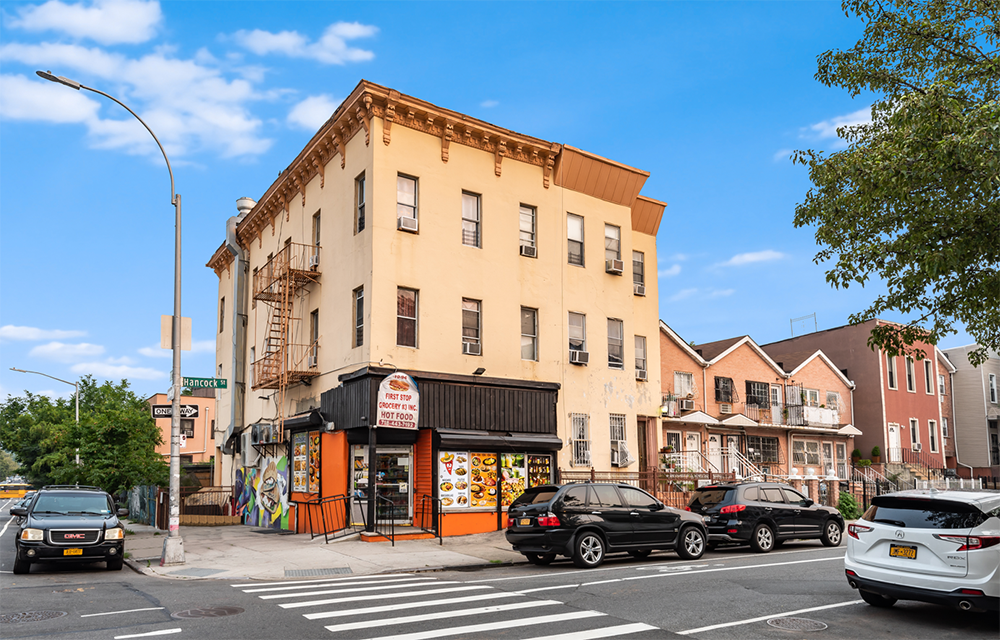
Investment Property Realty Group closes $1.75 million sale of 1094 Hancock Street in Brooklyn
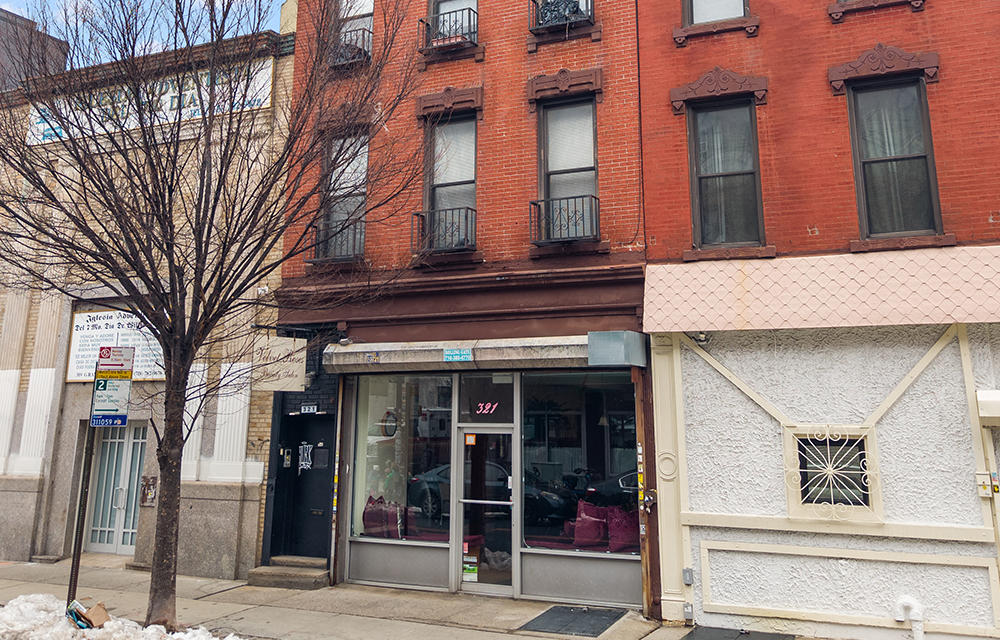
Brooklyn, NY Investment Property Realty Group (IPRG), a New York-based commercial investment firm, has closed the sale of 1094 Hancock St., a mixed-use building in the Bushwick section, for $1.75 million.


Quick Hits

Columns and Thought Leadership

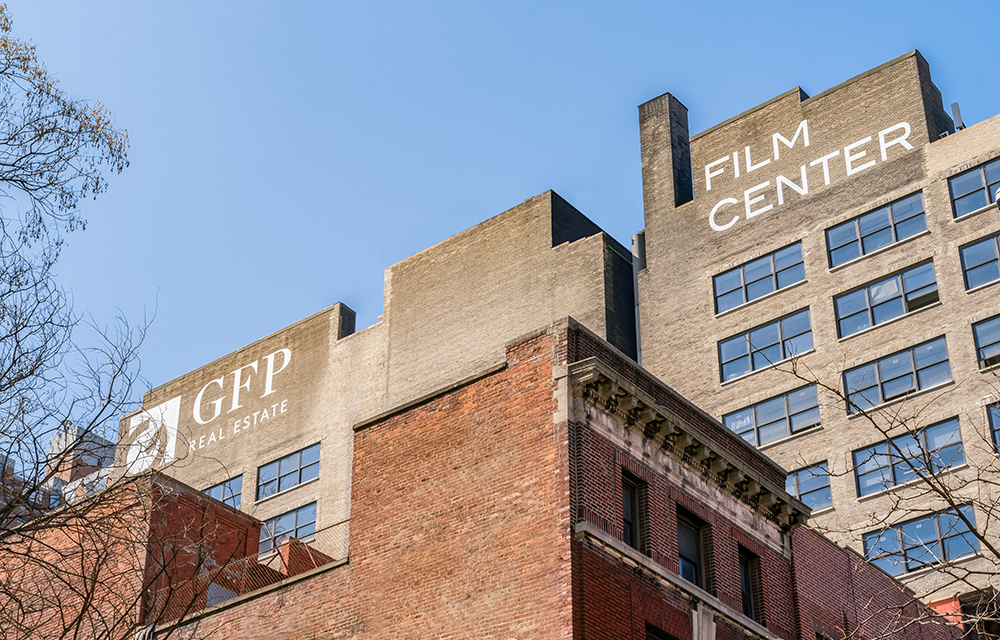
A guide to finding the right NYC property management company - by Sanjay Gandhi
Being a small to midsize landlord in NYC is an increasingly demanding endeavor. From navigating complex regulations, increased compliance demands to dealing with tenant issues and remediating violations. It is wise to enlist the assistance of a partner, a professional

Hunt CRE question and answer: Choosing a real estate agent - by David Hunt
First, we will only work with one agent exclusively. The primary reason is that we want that agent to legally represent our client’s interests. In New York State, a real estate agent has a fiduciary

Hunt commercial real estate question and answer: Fortune 500 wisdom - by David Hunt
Yes, there are lessons to be learned from the largest companies in America when comes to managing your real estate. But the decision to buy or lease real estate may not be one of

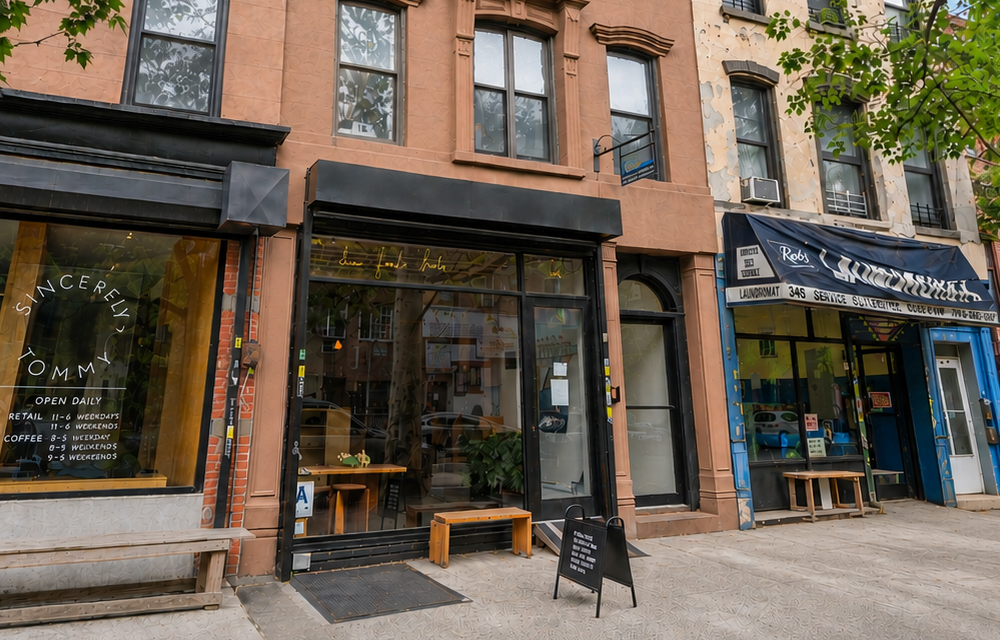
New York’s streets are full again, and the retail numbers prove it - by Noam Aziz
Walk down any New York block this year and you can feel it. The sidewalks are crowded, the storefronts are lit, and the energy that defines this city is back at full volume.
.gif)