



News:
Brokerage
Posted: December 23, 2013
Founders Message: Casinos
A few years ago I wrote a message about the positive values of casinos. If you've ever been to one you know that they are very clean, entertaining, and people dress up, spend money and have fun. In the 1930s Nevada legalized gambling, and for many many years had no state tax or real estate taxes. Smart move by them. And if you ever visited Las Vegas you would have found a very clean and entertaining city. Crime? Probably a lot less than most cities. Today the biggest gambling activity in the country is the lotteries. States make a lot of money on the lotteries and don't have to build special buildings where people can gamble. Over the past twenty or so years many race tracks have been losing attendance because of a lot of reasons - none of them really negative. Remember, horseracing is the sport of kings. Many race tracks around the country were allowed to install slot machines and that action turned the business entirely around helping those tracks to not only survive but become what we call racinos. Race tracks employ a lot of people and I don't think this country wants to help put companies like that out of business. That now brings us to Boston and Suffolk Downs, a race track that has been in business since the early thirties. It is located on a MBTA line and a major highway only a few miles from downtown Boston, one of the greatest sports cities in the country. Why didn't they install slot machines ten years ago? Why don't they have a casino there right now? I can't answer, but common sense would say that they should, and we all know that common sense was outlawed many years ago, especially in political circles. Those who fight casinos and gambling are ignorant to the facts. Casinos don't promote more crime, and if you ever attended one you felt very safe just by the way the people dressed. People who vote against casinos are told that gambling is addictive. So is coffee, cigarettes and Pepsi. But more addictive are the lotteries that return very small prizes, and states promote lotteries every day. Catholic churches have been playing bingo for as far back as I recall. Is bingo addictive? The truth is that there is nothing wrong with gambling and nothing wrong with race tracks and nothing wrong with casinos. Probably the best reason for having a casino ten or twenty, or even seventy years ago is that it creates jobs and helps pay a state's bills. The last time I visited Foxwoods in Connecticut I noticed that at least half of the cars in the parking lot had Massachusetts plates. What did that tell me? And hey New Hampshire, what the heck are you doing with once beautiful Rockingham Park? Come on guys, get with the program. If Suffolk Downs doesn't get the OK to build a Casino on their own property, Massachusetts residents should be ashamed of our state leaders.
Roland Hopkins is founder of the NYREJ, Norwell, Mass.
Tags:
Brokerage
MORE FROM Brokerage
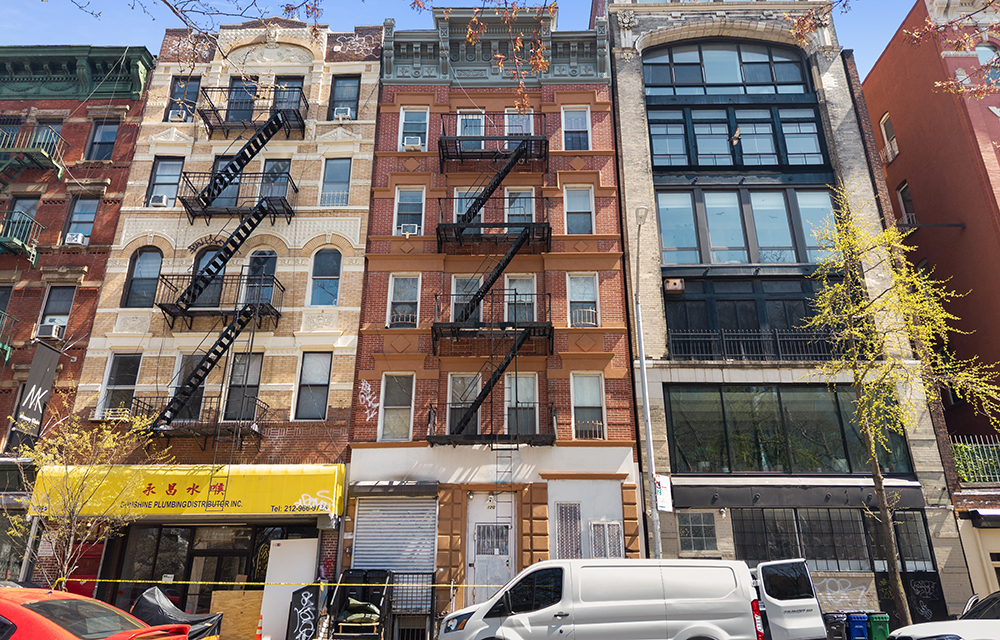
Investment Property Realty Group sells 120 Forsyth St. for $1.35 million
Manhattan, NY Investment Property Realty Group (IPRG) closed the sale of 120 Forsyth St., a mixed-use building located in the Lower East Side section of the city, for $1.35 million.



Quick Hits

Columns and Thought Leadership

A guide to finding the right NYC property management company - by Sanjay Gandhi
Being a small to midsize landlord in NYC is an increasingly demanding endeavor. From navigating complex regulations, increased compliance demands to dealing with tenant issues and remediating violations. It is wise to enlist the assistance of a partner, a professional

Positive forecast for New York’s pro-housing push? - by Philip Butler
New York’s housing crisis remains a hot button topic despite growing consensus that varied and affordable housing is desperately needed statewide. Governor Hochul has recently introduced several initiatives to overcome N.Y.’s anti-housing

Hunt commercial real estate question and answer: Fortune 500 wisdom - by David Hunt
Yes, there are lessons to be learned from the largest companies in America when comes to managing your real estate. But the decision to buy or lease real estate may not be one of

New York’s streets are full again, and the retail numbers prove it - by Noam Aziz
Walk down any New York block this year and you can feel it. The sidewalks are crowded, the storefronts are lit, and the energy that defines this city is back at full volume.
.gif)